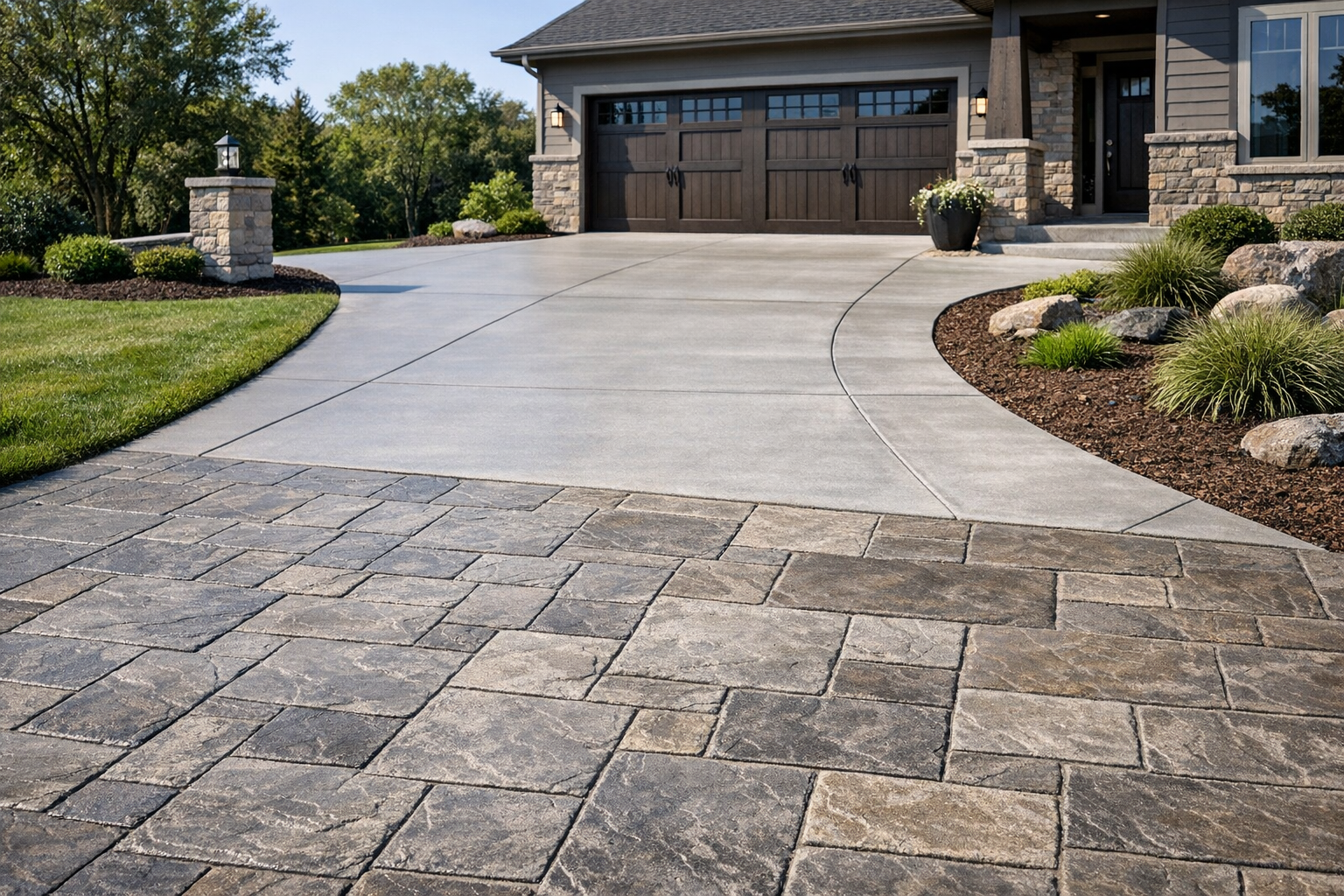
Driveway and Concrete: Why the Right Choice Matters
Your driveway does more than lead from the street to your home. It handles daily vehicle traffic, supports curb appeal, and sets the tone for the rest of the property. When it comes to driveway and concrete options, the material you choose plays a major role in how long the surface lasts, how much maintenance it needs, and how good it looks over time.
Concrete remains one of the most popular driveway materials because it offers a strong balance of durability, appearance, and long-term value. Whether you are installing a new driveway or replacing an old one, understanding the basics of concrete can help you make a smarter decision.
Benefits of Concrete Driveways
Concrete driveways are known for their strength and versatility. A well-installed concrete driveway can last for decades with proper care, making it a dependable choice for many homeowners.
Long-lasting performance
Concrete is designed to withstand heavy loads and repeated use. Unlike some other materials, it does not shift as easily under pressure, which makes it a strong option for driveways that see regular traffic.
Low maintenance
One of the biggest advantages of concrete is its relatively simple upkeep. Basic cleaning, occasional sealing, and prompt repairs can help preserve the surface and extend its lifespan.
Improved curb appeal
Concrete does not have to look plain. Today’s driveway and concrete options include decorative finishes, stamped patterns, exposed aggregate, and colored concrete. These choices allow homeowners to create a polished look that complements the home’s exterior.
Cost-effective over time
While the upfront cost may be higher than some alternatives, concrete often proves economical in the long run because of its durability and lower repair needs. For many homeowners, that long-term value makes concrete a practical investment.
Types of Concrete Driveways
Not all concrete driveways are the same. The finish, thickness, reinforcement, and decorative details can all affect performance and appearance. Choosing the right type depends on your goals, budget, and climate.
Standard broom-finish concrete
This is the most common driveway finish. A broom is used to create light texture on the surface, improving traction and providing a clean, classic look. It is a reliable choice for homeowners who want something simple and functional.
Stamped concrete
Stamped concrete is shaped and textured to resemble stone, brick, tile, or other materials. It is a great option for homeowners who want a more decorative driveway without using separate pavers or natural stone.
Exposed aggregate
With exposed aggregate, the top layer of cement paste is removed to reveal the stones and pebbles within the mix. This creates a textured, attractive surface that also offers good slip resistance.
Colored concrete
Color can be added to concrete for a more customized appearance. Earth tones, grays, and subtle accents can help the driveway blend with landscaping, siding, or hardscape features.
What to Consider Before Installation
Installing a concrete driveway is a major project, so it is important to think through the details before work begins. Good planning helps prevent future problems and ensures the finished driveway performs as expected.
Base preparation
A stable base is essential for any driveway and concrete installation. If the ground beneath the slab is not properly compacted and graded, the driveway may crack, settle, or develop drainage problems.
Thickness and reinforcement
The driveway should be built to match the expected load. A residential driveway typically needs enough thickness to support passenger vehicles, and reinforcement such as rebar or wire mesh may be used to improve strength.
Drainage
Water management is one of the most important parts of driveway design. Concrete should be sloped correctly so water moves away from the home and does not pool on the surface or near the foundation.
Climate and weather
Freeze-thaw cycles, extreme heat, and heavy rain can all affect concrete performance. In colder areas, proper installation and sealing are especially important to reduce cracking and surface damage.
Maintenance Tips for a Concrete Driveway
Even though concrete is durable, it still needs routine care. A few simple habits can help keep your driveway in better condition for years.
Clean the surface regularly
Sweep away leaves, dirt, and debris. Washing the driveway occasionally can also prevent stains from oil, mud, and other materials from settling into the surface.
Seal when needed
A quality sealer helps protect against moisture, stains, and wear. Depending on the climate and traffic level, resealing may be needed every few years.
Repair small cracks early
Minor cracks are common, but they should not be ignored. Addressing them early can help prevent water from entering and worsening the damage.
Avoid harsh chemicals
Some de-icers and cleaning products can damage concrete over time. Choose products carefully, especially in winter when the driveway may be exposed to repeated freeze-thaw conditions.
Common Problems with Driveway and Concrete Surfaces
Understanding common issues can help homeowners spot trouble early and take action before repairs become more expensive.
Cracking
Small cracks can happen as concrete cures and ages, but larger cracks may point to settling, poor installation, or drainage issues. While some cracking is normal, wide or spreading cracks should be evaluated.
Spalling
Spalling occurs when the surface begins to flake or chip away. This may happen because of moisture, salt exposure, or poor finishing. Regular sealing and careful maintenance can reduce the risk.
Discoloration
Concrete can sometimes develop uneven color due to curing conditions, water exposure, or surface wear. Although this is often cosmetic, it can affect the driveway’s overall appearance.
Settling and uneven sections
If the base underneath the driveway shifts, sections of the slab may sink or become uneven. This can create drainage problems and may require professional repair or replacement.
When to Repair or Replace
Not every driveway problem means a full replacement is needed. Minor damage can often be repaired, but widespread issues may make replacement the better option.
If the surface has isolated cracks, stains, or small cosmetic flaws, repairs may be enough. However, if the driveway has major settling, extensive cracking, or repeated structural failures, replacement can provide a safer and more lasting solution.
In many cases, a contractor can inspect the driveway and recommend the most cost-effective path forward. Getting an expert opinion early can save time and money.
Conclusion
Driveway and concrete planning should focus on both appearance and performance. With the right design, installation, and maintenance, a concrete driveway can offer years of reliable use while enhancing the overall look of your property. Whether you prefer a simple finish or a decorative upgrade, concrete remains a practical and attractive option for many homes.