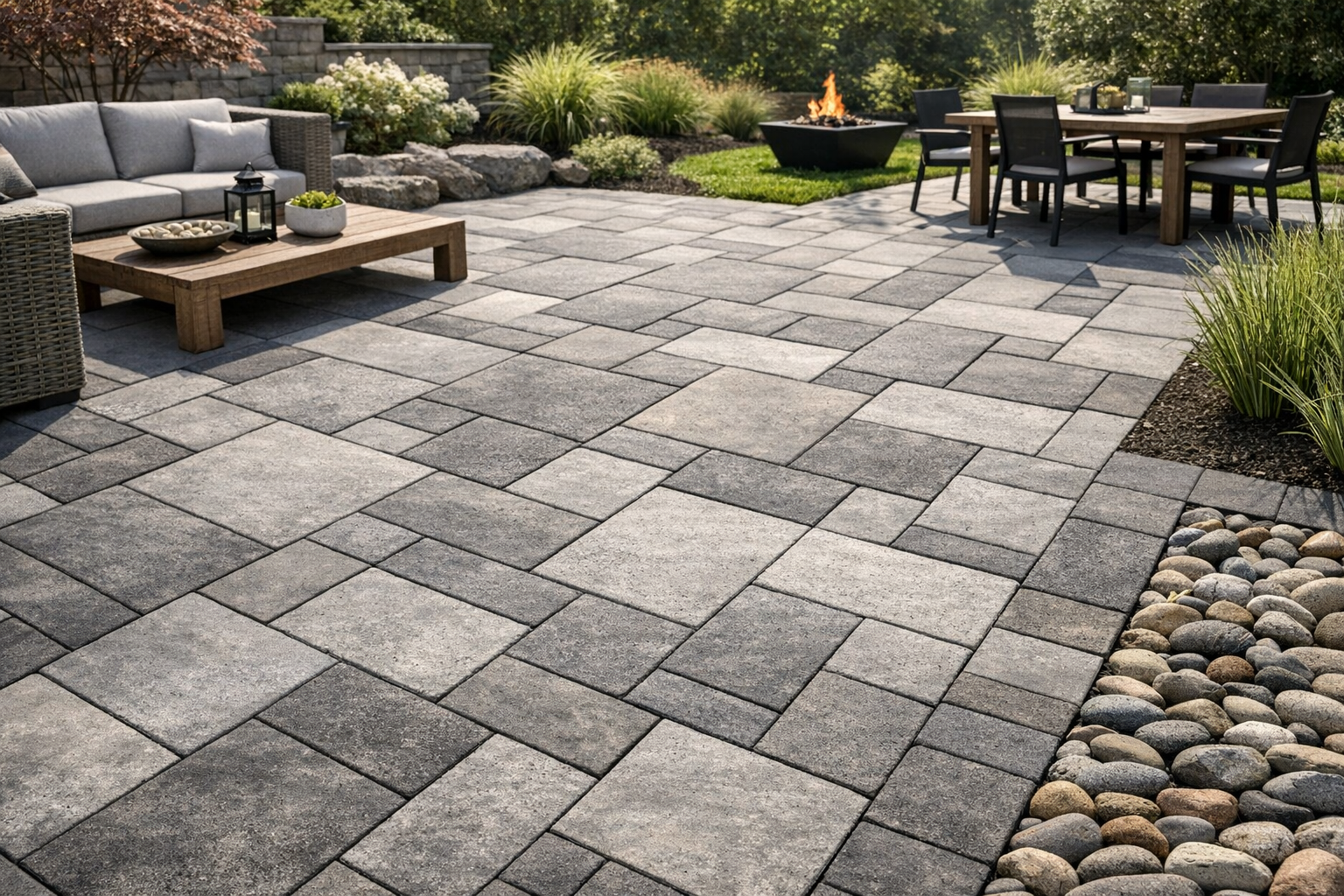
Concrete Pavers: A Practical, Stylish Choice for Outdoor Spaces
Concrete pavers are one of the most versatile materials you can use for patios, driveways, walkways, pool decks, and outdoor living areas. They offer the look of natural stone or brick with the strength and consistency of manufactured products, making them a popular choice for homeowners and designers alike. Whether you want a modern entertaining space or a classic garden path, concrete pavers can deliver both durability and curb appeal.
What Are Concrete Pavers?
Concrete pavers are individual paving units made from a blend of cement, sand, gravel, and water. They are formed into shapes, cured for strength, and often finished with color pigments or surface textures. Unlike poured concrete, which creates one continuous slab, pavers are installed piece by piece over a prepared base. This construction method gives them flexibility, visual interest, and a more adaptable surface for outdoor use.
Because they are manufactured, concrete pavers come in a wide range of colors, sizes, shapes, and finishes. That makes it easy to create custom patterns, borders, and design features that complement your home’s style.
Benefits of Concrete Pavers
One of the biggest advantages of concrete pavers is their combination of strength and design flexibility. They are built to handle foot traffic, vehicles, and changing weather conditions when installed correctly. If one paver becomes damaged, it can usually be replaced individually instead of repairing an entire surface.
Concrete pavers are also known for their versatility. They can be used in modern, traditional, rustic, and Mediterranean-style landscapes. With so many available textures and colors, they can mimic cobblestone, slate, brick, or even natural stone at a lower cost in many cases.
Another major benefit is maintenance. Pavers are relatively easy to care for compared with some other hardscape materials. Routine sweeping, occasional washing, and joint maintenance can help keep them looking great for years.
Popular Uses for Concrete Pavers
Patios
Concrete pavers are a favorite for patios because they create a comfortable, attractive surface for outdoor furniture, dining areas, and fire pits. Their modular design makes it easy to build a patio that fits almost any shape or size.
Driveways
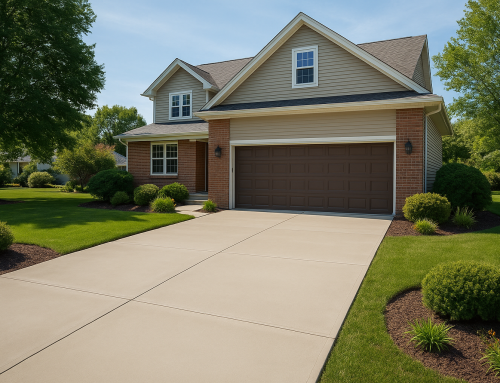
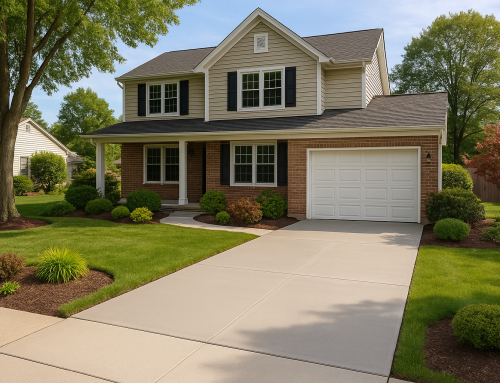
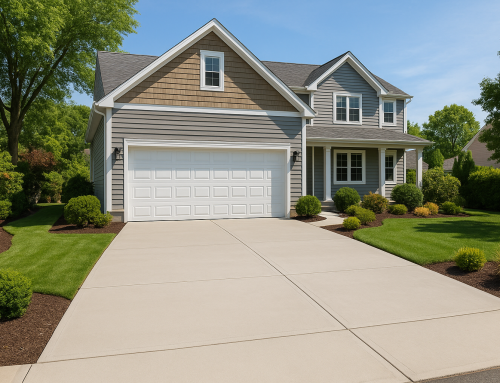
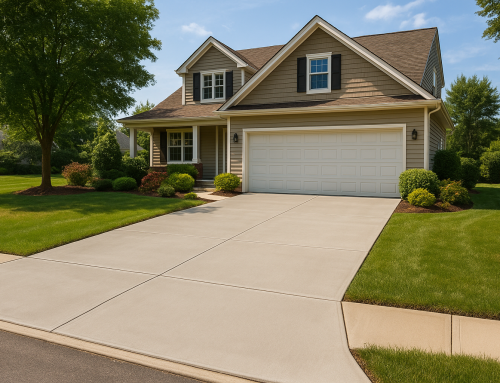
For driveways, concrete pavers provide a durable surface that stands up well to the weight of vehicles. They also offer a more decorative alternative to plain poured concrete, adding character and sophistication to the front of a home.
Walkways and Paths
Garden paths and walkways benefit from the clean lines and slip resistance of concrete pavers. They can guide visitors through a yard while blending beautifully with surrounding plants, stone features, and lighting.
Pool Decks
Concrete pavers are often chosen for pool decks because they can be designed with texture for better traction. They also remain visually appealing in hot, sunny conditions and can help create a polished resort-style look.
Design Options and Styles
One of the reasons concrete pavers are so popular is the wide variety of design possibilities. You can choose from sleek rectangular pavers for a contemporary look, tumbled pavers for an aged and weathered appearance, or large-format styles for a clean, minimalist finish.
Patterns such as herringbone, basketweave, running bond, and circular layouts can dramatically change the look of a space. Borders and contrasting colors can highlight specific areas and add visual structure. For a natural effect, many homeowners choose earth tones or blended shades that coordinate with landscaping and exterior finishes.
Surface texture also matters. Some pavers have smooth faces for a refined appearance, while others feature rougher finishes that improve grip and create a more rustic feel. With so many choices, it is easier than ever to design a surface that feels custom without being overly complicated.
Installation Basics
Proper installation is essential for long-lasting performance. Concrete pavers are typically installed over a compacted base of gravel and sand, which helps support the surface and promote drainage. The pavers are then laid in the chosen pattern, cut to fit edges when needed, and locked in place with joint sand.
Good edge restraints help prevent shifting over time, while careful grading ensures water drains away from structures. In some climates, base depth and material selection may need to be adjusted for freeze-thaw conditions or heavier traffic loads. Because installation quality plays such a big role in the final result, many homeowners choose to hire an experienced hardscape contractor for larger projects.
Maintenance Tips for Concrete Pavers
Concrete pavers are low maintenance, but a little care goes a long way. Regular sweeping helps remove dirt and leaves that can stain or trap moisture. Washing with a garden hose or pressure washer on a gentle setting can refresh the surface when needed.
It is also important to keep joints filled with sand so the pavers stay stable and resist weed growth. In areas with frequent rain or heavy use, joint material may need occasional replenishing. Sealing pavers is optional, but it can enhance color, provide extra stain resistance, and make cleaning easier.
If stains do appear, addressing them quickly usually makes removal easier. Oil, rust, and organic stains can often be managed with the right cleaning product and prompt attention.
Are Concrete Pavers Worth It?
For many homeowners, concrete pavers are absolutely worth the investment. They offer a strong balance of beauty, durability, and repairability that is hard to match with other surface options. While the upfront cost may be higher than some basic paving materials, the long-term value often makes sense thanks to their longevity and curb appeal.
They are especially appealing if you want a surface that feels customized and can withstand everyday use. From cozy backyard patios to hardworking driveways, concrete pavers provide a reliable foundation for outdoor spaces that are both functional and inviting.
Conclusion
Concrete pavers bring together style, strength, and flexibility in a way few outdoor materials can. With the right design and proper installation, they can transform an ordinary area into a polished, lasting feature of your property. If you are planning an outdoor upgrade, concrete pavers are well worth considering.