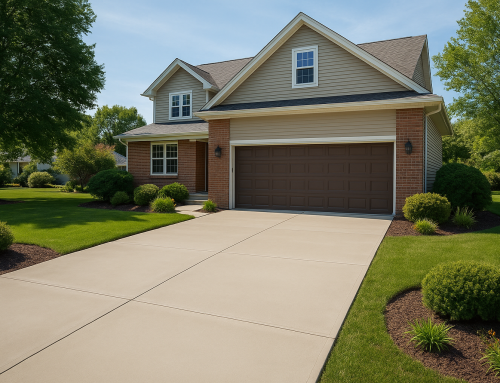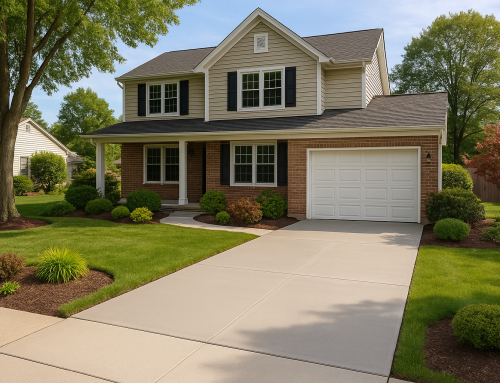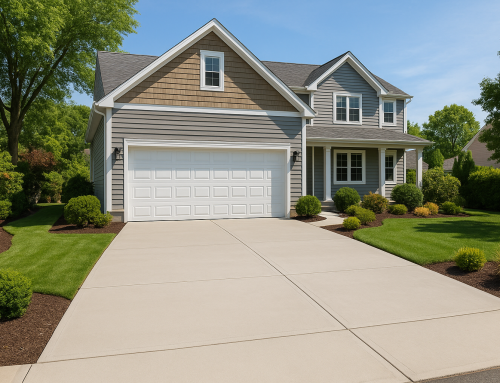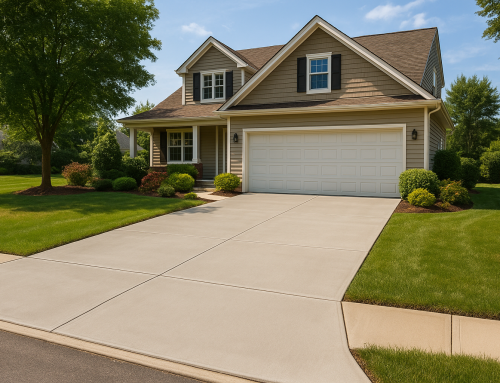
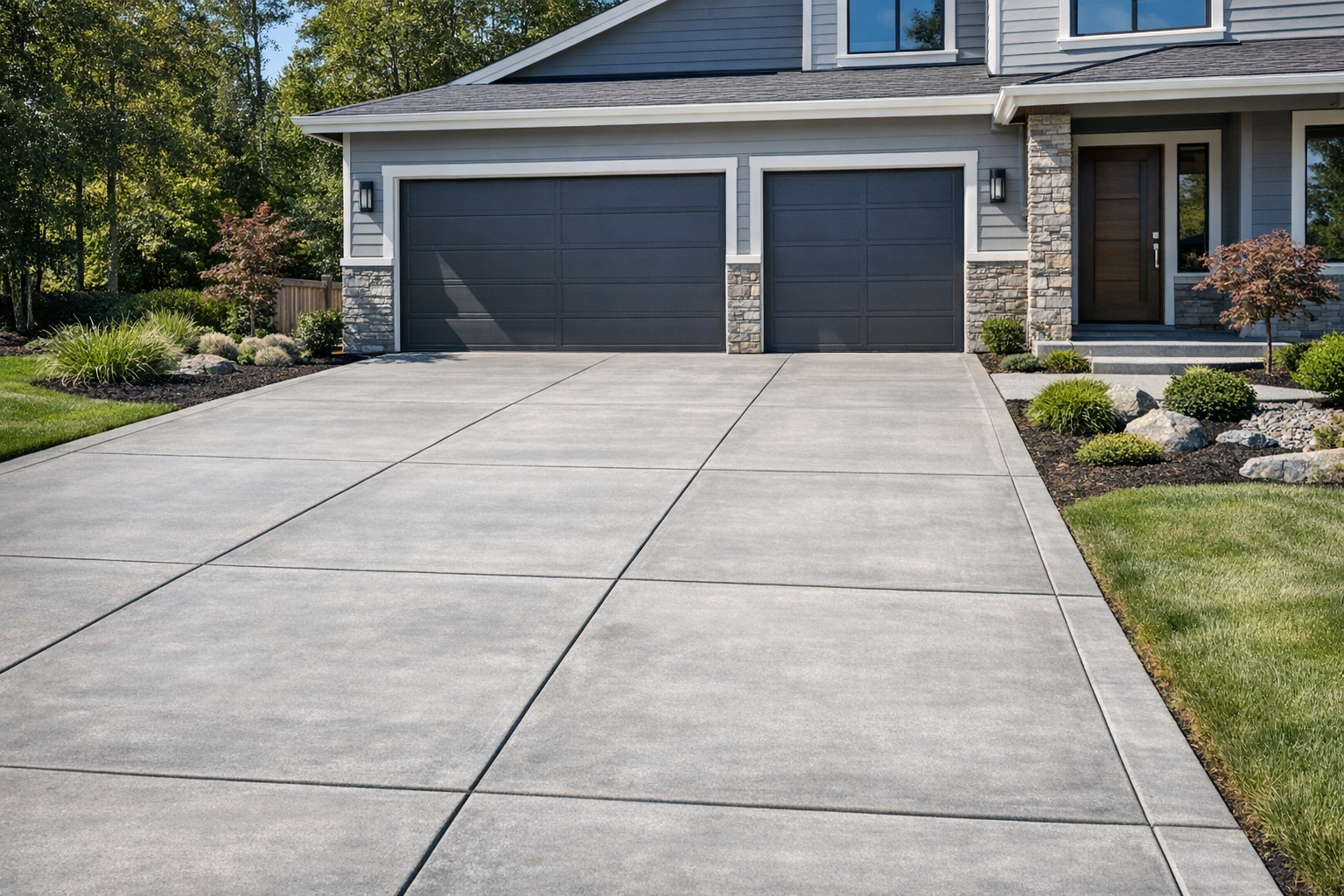
Why Choose a Driveway with Concrete?
A driveway with concrete is one of the most popular choices for homeowners who want a surface that looks clean, lasts for years, and performs well in a wide range of climates. Concrete offers a strong balance of durability, appearance, and low maintenance, making it a smart long-term investment for both new builds and driveway replacements.
Unlike gravel or asphalt, concrete creates a smooth, stable surface that can handle daily vehicle traffic with minimal wear. It also gives your property a polished look that can improve curb appeal and add value to your home.
Benefits of a Concrete Driveway
Concrete driveways come with several advantages that make them stand out. First, they are highly durable. When properly installed and maintained, a concrete driveway can last for decades. It resists heavy loads, frequent use, and many of the issues that affect other driveway materials.
Another major benefit is low maintenance. Concrete does not require regular sealing as often as asphalt, and it does not need replenishing like gravel. Basic cleaning, occasional sealing, and prompt repairs are usually enough to keep it in good condition.
Concrete is also versatile in design. Homeowners can choose from a variety of finishes, colors, and patterns to create a more customized look. From broom finishes to stamped concrete, there are options to match nearly any home style.
Long-Term Value
While the upfront cost of a concrete driveway may be higher than some alternatives, its longevity often makes it a cost-effective choice over time. Fewer repairs and replacements can mean better value in the long run.
Design Options for a Concrete Driveway
One of the best things about a driveway with concrete is the wide range of design possibilities. A standard gray slab is a classic choice, but many homeowners prefer something more decorative.
Stamped concrete can mimic the appearance of stone, brick, or pavers without the same level of upkeep. Colored concrete is another option for adding warmth or contrast to your exterior. Exposed aggregate finishes provide texture and visual interest while improving slip resistance.
You can also use decorative borders, saw-cut patterns, or different slab shapes to give the driveway a more tailored appearance. These design choices help your driveway blend naturally with your landscaping, siding, and walkways.
What to Consider Before Installation
Before installing a concrete driveway, it is important to think about slope, drainage, thickness, and soil conditions. A well-built driveway needs proper grading so water flows away from the home and does not pool on the surface. Poor drainage can lead to cracking, erosion, and premature damage.
The thickness of the slab should also match the intended use. For most residential driveways, the concrete should be thick enough to support regular passenger vehicles. If you expect heavier vehicles or frequent traffic, reinforcement may be needed.
Soil preparation is another key factor. The base beneath the concrete should be compacted and stable to reduce shifting and settling. A professional installation team can assess site conditions and recommend the right approach for lasting results.
Choosing the Right Finish
The finish you choose affects both appearance and safety. A broom finish is common because it provides traction. A smoother finish may look elegant but can become slippery when wet. If your driveway has a slope, a textured finish is often the safest choice.
Maintenance Tips for a Concrete Driveway
Although concrete is low maintenance, it is not completely maintenance-free. To extend the life of your driveway, clean it regularly to remove dirt, oil, and debris. Pressure washing can help, but it should be done carefully to avoid damaging the surface.
Sealing the driveway every few years can protect it from moisture, stains, and surface wear. This is especially helpful in areas with freeze-thaw cycles, where water can seep into small cracks and expand during colder weather.
It is also a good idea to repair small cracks early. Even minor damage can worsen over time if left untreated. Using the right patching products and addressing issues promptly can help preserve the driveway’s strength and appearance.
Winter Care and Protection
In colder climates, avoid using harsh de-icing chemicals that can damage concrete. Choose products that are labeled safe for concrete surfaces, and shovel snow carefully to prevent surface chipping. Good winter care can make a major difference in how long your driveway lasts.
Common Mistakes to Avoid
One common mistake is rushing the installation process. Concrete needs proper mixing, pouring, leveling, and curing to achieve maximum strength. If the work is done too quickly or in poor weather conditions, the driveway may crack or weaken sooner than expected.
Another mistake is skipping reinforcement or base preparation. A driveway with concrete depends on a solid foundation. Without it, the surface may settle unevenly or develop stress cracks.
Homeowners sometimes overlook curing time as well. Concrete may feel hard after a short period, but it continues to gain strength over time. Driving or parking on it too soon can cause lasting damage.
Is a Concrete Driveway Right for Your Home?
A driveway with concrete is a strong option if you want a durable, attractive, and low-maintenance surface. It works well for many home styles and can be customized to suit your budget and aesthetic preferences. If you value long-term performance and a clean, finished look, concrete is often an excellent choice.
However, like any major home improvement, success depends on proper planning and installation. Working with an experienced contractor can help ensure the driveway is built to last and designed to complement your property.
Conclusion
A concrete driveway offers dependable performance, timeless curb appeal, and plenty of design flexibility. With the right installation and basic maintenance, it can serve your home well for many years while adding real value to your property.