What Is Fair Concrete?
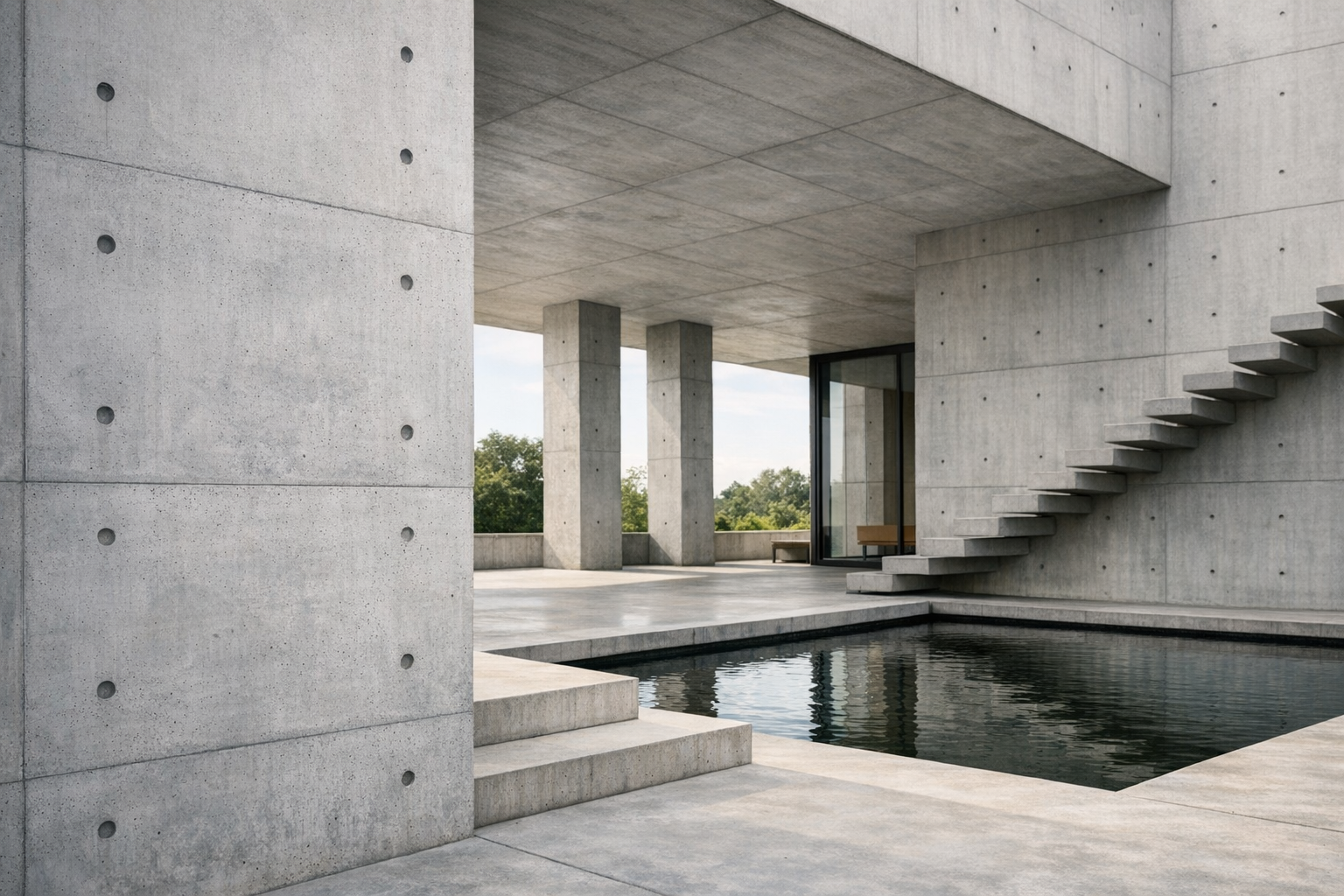
Fair concrete refers to concrete surfaces that are finished to a smooth, uniform, and visually appealing standard. Unlike concrete that will be hidden beneath flooring or other finishes, fair concrete is intended to be seen. Because it remains exposed, the quality of the pour, the consistency of the mix, the precision of the formwork, and the finishing process all matter more than they do in standard structural concrete.
This type of concrete is often chosen when a project needs both function and appearance. It may be used in modern interiors, architectural facades, commercial spaces, and public buildings where the concrete itself becomes part of the design. The result is a surface that looks clean, intentional, and refined without requiring extra cladding or decorative coverings.
Why Fair Concrete Matters
Fair concrete plays an important role in modern architecture and construction because it combines durability with aesthetics. In many projects, exposed concrete is no longer just a practical material; it is a design statement. When properly executed, it creates a minimalist, high-end look that can complement wood, glass, steel, and other finishes.
There are also practical benefits. Choosing fair concrete can reduce the need for additional wall coverings or finishing materials, which may simplify construction and lower long-term maintenance. Since the concrete surface is already the final finish, it can be a cost-effective solution when planned carefully from the beginning.
Aesthetic Value in Modern Design
One of the biggest reasons fair concrete is popular is its visual appeal. Designers often use it to create a sense of honesty in materials, where the structure is visible rather than hidden. This can give a space a modern, industrial, or even warm natural feel depending on the surrounding elements.
Lighting also affects how fair concrete is perceived. Smooth surfaces may reflect light softly, while textured formwork can create subtle shadows and depth. Because every mark and seam becomes part of the final appearance, the craftsmanship behind the concrete is especially important.
How Fair Concrete Is Achieved
Creating fair concrete requires planning from the earliest stages of a project. The final appearance is influenced by the mix design, the formwork materials, the placement process, and the curing conditions. Each step must be controlled to produce a consistent result.
Contractors typically aim for a uniform surface color, minimal imperfections, and clean edges. Since exposed concrete can reveal small flaws that would otherwise be hidden, the process often demands more attention than standard concrete work.
Formwork and Surface Quality
Formwork is one of the most important factors in producing fair concrete. The forms must be built accurately, securely, and with the right surface finish. Any gaps, uneven joints, or rough patches in the formwork can transfer directly to the concrete.
Different form liner materials can produce different visual effects. Smooth plywood, coated panels, or specialty liners may be used depending on the desired finish. The choice of release agent, the tightness of the formwork seams, and even the order of assembly can affect the final appearance.
Mix Design and Placement
The concrete mix itself should be consistent and suitable for the intended finish. Variations in water content, aggregate distribution, or cement quality can lead to color differences or surface blemishes. For fair concrete, a well-designed mix helps ensure a more even look across the entire surface.
Placement must also be handled carefully. Proper vibration helps remove air pockets, but excessive vibration can cause segregation. Skilled crews work to avoid honeycombing, voids, and discoloration, all of which are especially noticeable on exposed surfaces.
Curing and Protection
Curing affects both the strength and appearance of fair concrete. If the surface dries too quickly, it may crack or show uneven color. Controlled curing helps the concrete develop properly and keeps the finish more consistent.
Protection during and after curing is equally important. Since the surface will remain visible, it should be shielded from damage, stains, and weather exposure where possible. Good site management can help preserve the intended finish until the project is complete.
Common Applications of Fair Concrete
Fair concrete is used in a wide range of projects where appearance matters as much as performance. In residential design, it may appear on feature walls, fireplaces, floors, or exterior facades. In commercial spaces, it is often used in lobbies, retail interiors, offices, and hospitality settings.
It is also common in public and civic architecture, where durability and visual clarity are both valued. Museums, schools, transit stations, and cultural buildings often use exposed concrete to create a sense of permanence and calm. Because fair concrete works well with many other materials, it can adapt to both minimalist and more complex architectural styles.
Challenges to Consider
Although fair concrete offers many benefits, it also comes with challenges. The biggest issue is that imperfections are easy to see. Even small defects such as color variation, form lines, patching, or surface voids can affect the finished look. For that reason, the contractor and design team must agree on acceptable tolerances before work begins.
Weather conditions can also make the process more difficult. Temperature, humidity, and wind may influence curing and surface consistency. In addition, fair concrete may require more time and skill than conventional concrete, which can affect scheduling and labor costs.
Maintenance should also be considered. While concrete is durable, exposed surfaces may need periodic cleaning or sealing to keep them looking their best. Choosing the right treatment depends on the location, exposure, and intended use of the surface.
Conclusion
Fair concrete is more than just structural material; it is a finish that brings together performance, precision, and design. When carefully planned and expertly executed, it can create clean, durable surfaces that enhance both modern and traditional spaces. For projects where the concrete will remain visible, understanding how to achieve a high-quality finish is essential.