Planning a new patio, driveway, walkway, or foundation starts with one practical question: how much will the concrete work cost? The answer depends on the project size, site conditions, materials, labor, and finish. Understanding typical price ranges and what goes into a quote can help you compare contractors and set a realistic budget.
Typical Concrete Work Pricing
In the United States, a basic poured concrete slab commonly costs about $6 to $12 per square foot installed. Decorative finishes, reinforcement, difficult access, or extensive site preparation can push the price to $15 to $30 or more per square foot. These are broad estimates rather than guaranteed rates: local labor and material prices vary, and small jobs often cost more per square foot than larger ones.
For perspective, a straightforward 400-square-foot slab might fall around $2,400 to $4,800 before upgrades or major preparation. A contractor may also quote a minimum charge, since mobilizing a crew and concrete truck costs money even for a compact project. Ask whether the estimate includes demolition, disposal, delivery, finishing, and cleanup.
Common project ranges
- Walkways: Often around $6 to $12 per square foot for a basic finish. Curves, steps, or decorative edging can add cost.
- Patios: A plain patio may cost about $6 to $15 per square foot. Stamped, colored, or exposed-aggregate surfaces usually cost more.
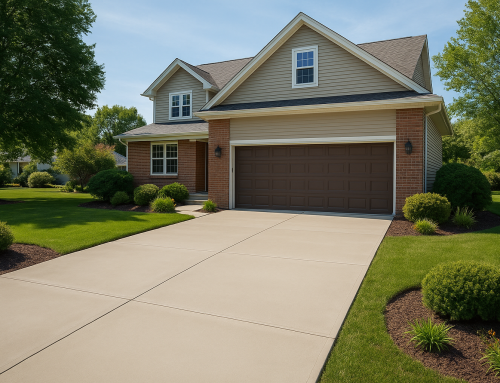
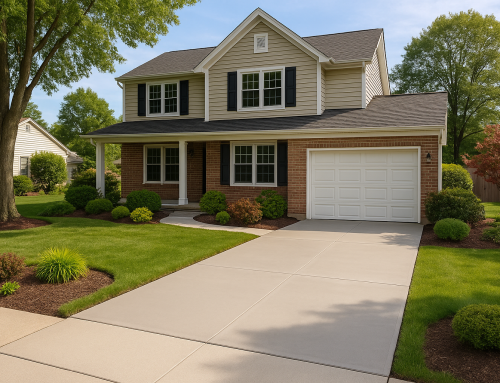
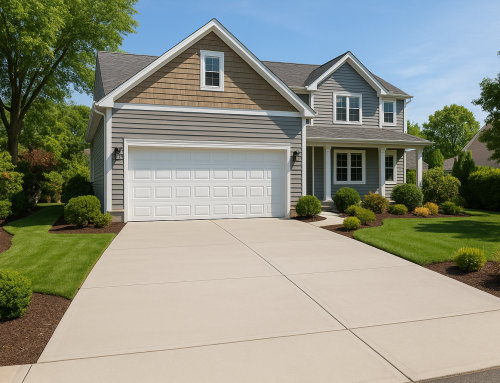
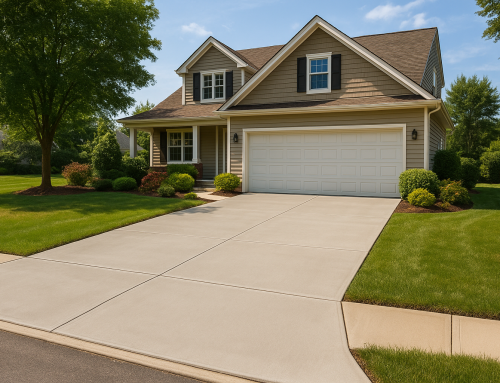
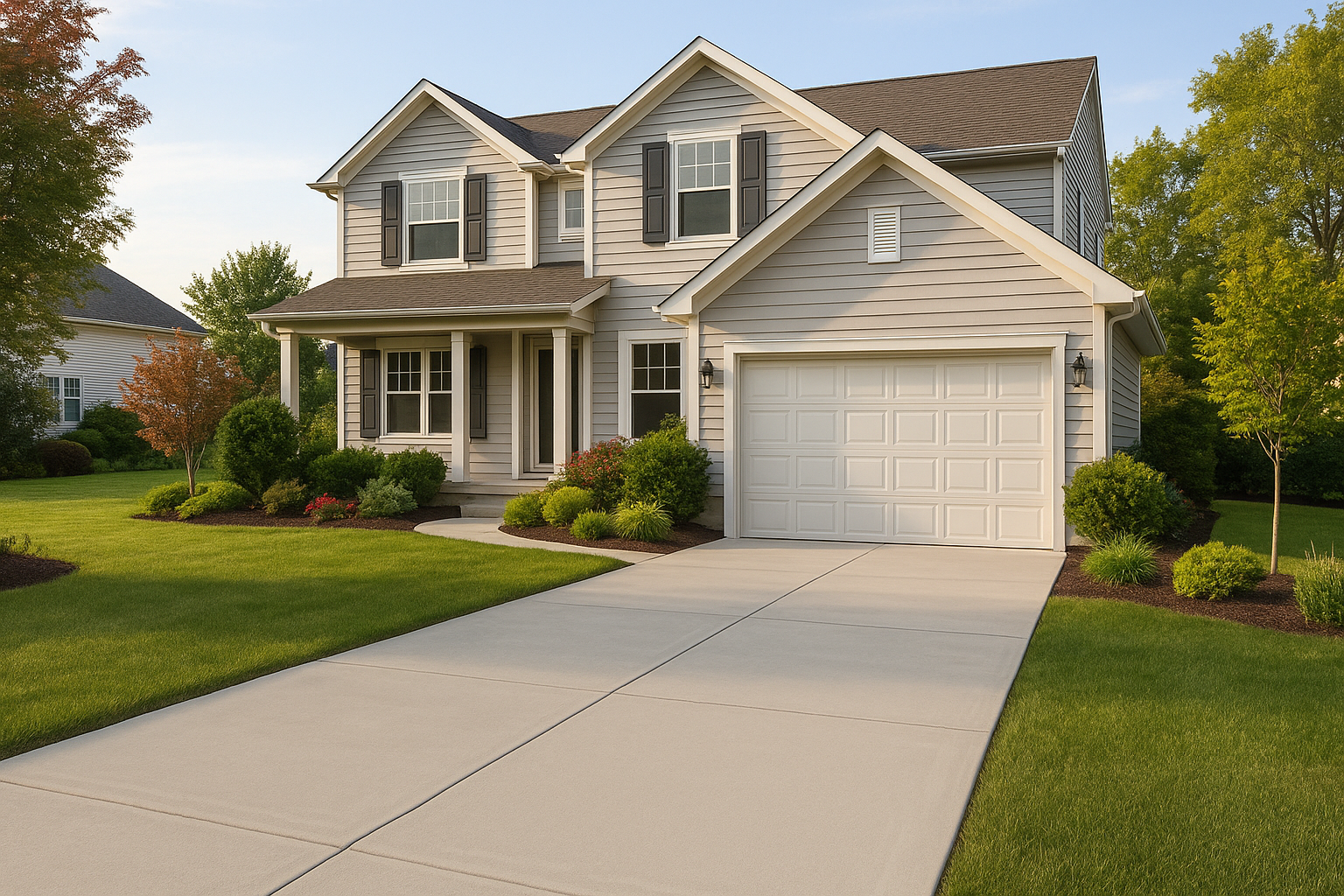
- Driveways: Basic installations commonly run around $8 to $18 per square foot, depending on thickness, reinforcement, access, and removal of the old surface.
- Foundations and structural slabs: Pricing varies widely because engineering, excavation, reinforcement, drainage, and local building requirements can be significant.
Use these figures to begin budgeting, not as a substitute for local estimates. Contractors may price the same project differently based on design and site conditions.
What Affects the Cost of Concrete Work?
Project size, shape, and thickness
More square footage generally means more concrete, labor, and preparation. However, larger jobs can have a lower per-square-foot rate because setup costs are spread over more area. Irregular shapes, narrow access routes, steps, curves, and multiple separate pours can require extra forms and labor. A thicker slab also needs more concrete and may require additional reinforcement.
Preparation and removal
A stable base is essential for concrete that lasts. The contractor may need to remove grass, excavate soil, compact the subgrade, add and compact crushed stone, or correct drainage. If an existing patio or driveway must be broken up and hauled away, demolition and disposal are usually charged separately. Soft, uneven, or waterlogged ground can increase preparation costs.
Concrete mix and reinforcement
Concrete is ordered to meet the needs of the project. The specified strength, mix design, additives, and delivery distance can affect the material price. Rebar or wire mesh may be used to help manage cracking and meet design requirements, though reinforcement does not make concrete crack-proof. Ask what mix and reinforcement are included, and follow the plans or local code for structural work.
Finish and design choices
A standard broom finish is typically among the more economical options. Stamping, staining, integral color, polishing, exposed aggregate, borders, and custom patterns take additional materials, skill, and time. Sealer may also be recommended and can add to the initial cost, though it may help protect the surface when properly selected and maintained.
Labor, access, and timing
Labor rates differ by region and season. Tight backyards, steep slopes, long wheelbarrow routes, limited truck access, or the need for a concrete pump can add equipment and labor charges. Weather can affect scheduling and finishing conditions. In busy construction periods, availability may be limited, so book early when possible.
How to Compare Concrete Quotes
Request written, itemized estimates from at least three qualified contractors. Give each one the same project details so the proposals are easier to compare. A useful quote should describe:
- Measured dimensions and planned slab thickness
- Excavation, base material, compaction, and grading
- Concrete specifications and reinforcement
- Finish, color, pattern, and sealer, if applicable
- Demolition, hauling, permits, and drainage work
- Cleanup, payment schedule, project timeline, and warranty terms
Confirm that the contractor carries appropriate insurance and can provide references or examples of similar work. Clarify who is responsible for permits and utility checks. Be cautious of a quote that is dramatically lower than the others if it leaves out preparation, uses vague specifications, or asks for a large upfront payment.
Ways to Manage Your Concrete Budget
Keep the design simple where appearance is not the priority. A standard finish, straightforward shape, and practical dimensions can reduce labor and material costs. Plan the project so related areas can be poured together, and ensure the site is accessible before the crew arrives. Do not cut costs by skipping necessary excavation, base preparation, drainage, or specified reinforcement; problems in these areas can lead to premature damage and expensive repairs.
Ask the contractor which upgrades provide the most value for your intended use. For example, a durable, slip-resistant finish may matter more on a frequently used walkway than an elaborate decorative pattern. Get any changes to the scope or price in writing before work begins.
Conclusion
Concrete work pricing depends on more than the amount of concrete poured. Size, site preparation, mix, reinforcement, finish, and access all shape the final bill. Compare detailed local quotes, ask what is included, and prioritize sound preparation to make a confident choice and get better value from your project.