Why the Right Concrete Contractor Company Matters
Concrete projects can shape how your property looks, functions, and holds up over time. A driveway needs to withstand vehicles and changing weather, while a patio should provide a comfortable, level space for relaxing. Choosing a qualified concrete contractor company helps ensure that the work is planned carefully, installed correctly, and suited to your needs.
Concrete may seem simple once it has cured, but a successful project involves more than pouring and smoothing a mixture. Site preparation, drainage, reinforcement, timing, and curing all affect the finished result. A dependable contractor can explain these details and help you make informed decisions before work begins.
Services a Concrete Contractor May Offer
Many companies handle a range of residential and commercial concrete work. Confirm that a contractor has experience with the specific project you have in mind, since each application has different requirements.
Driveways and Walkways
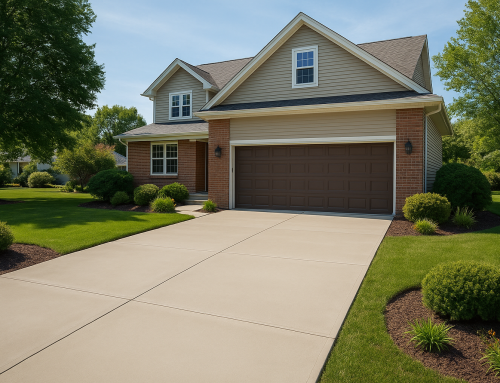
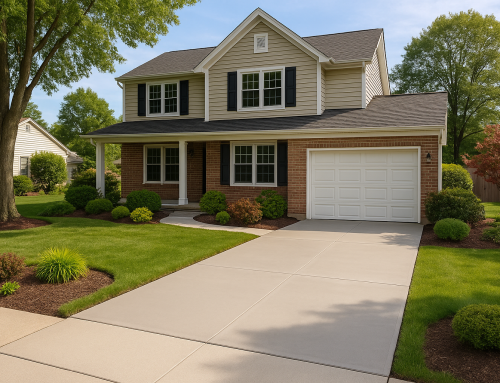
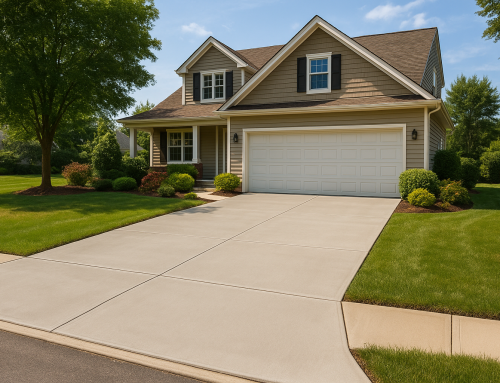
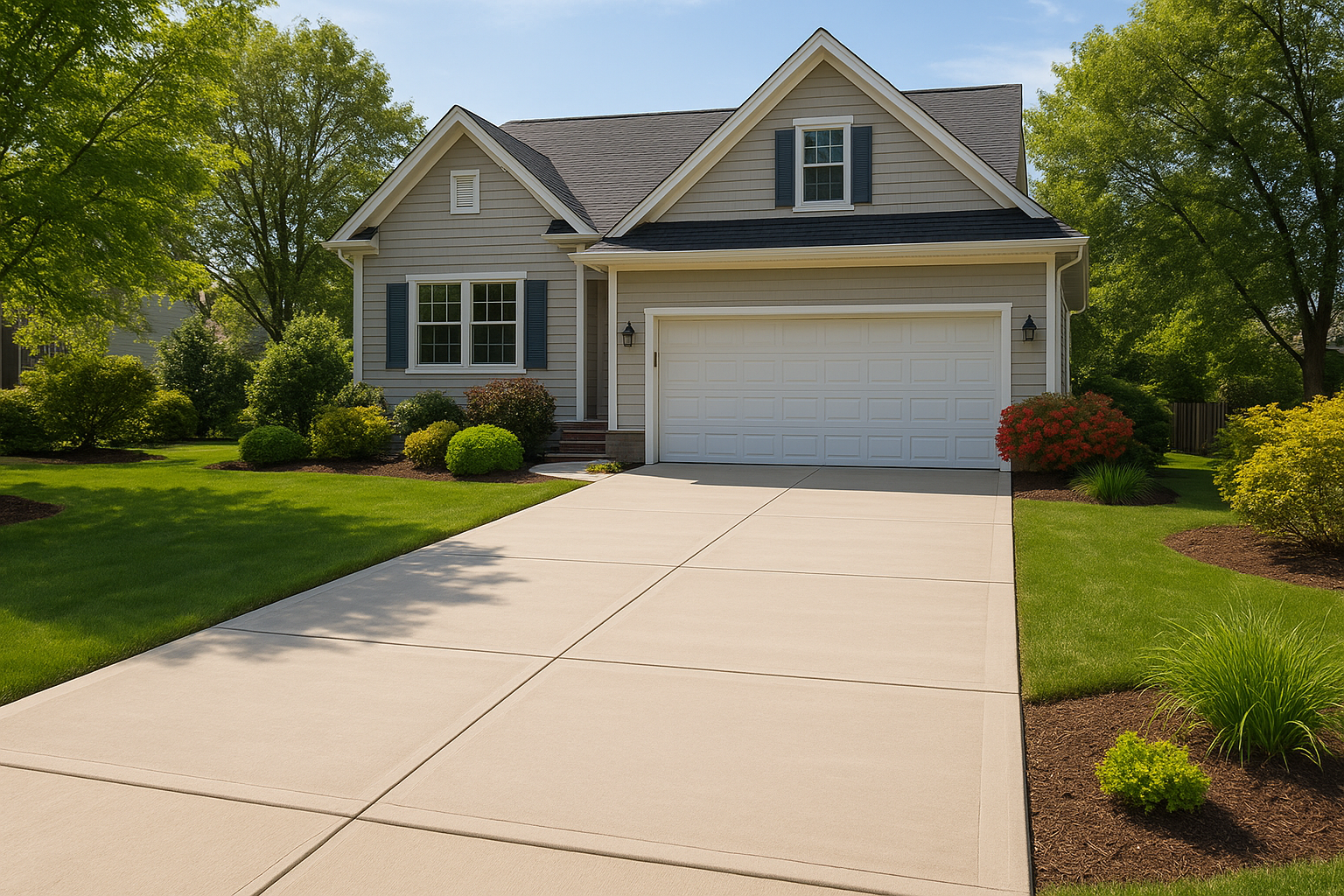
Driveways and walkways need a stable base, appropriate thickness, and proper grading to manage water. Contractors may offer standard, colored, stamped, or exposed-aggregate finishes, depending on the property and budget. Ask how the design will connect with existing paving, steps, and entryways.
Patios and Outdoor Living Areas
A concrete patio can be designed as a simple, practical surface or finished to resemble stone, brick, or other materials. A contractor can help plan its size, slope, joints, and finish so the space is comfortable to use and water drains away from the home.
Foundations, Slabs, and Repairs
Some concrete contractor companies install foundations, garage floors, shed slabs, retaining features, and other structural work. Others focus on repairs, such as replacing damaged sections, addressing uneven surfaces, or patching cracks. For structural concerns, ask what evaluation is needed and whether a specialist or engineer should be involved.
How to Evaluate a Concrete Contractor Company
Check Experience and Relevant Work
Look for a company with experience in projects similar in size and complexity to yours. Review a portfolio, ask for references, and find out who will supervise the work. Photos can show a contractor’s style, while references may offer insight into communication, scheduling, and how the crew handled unexpected issues.
Verify Licensing, Insurance, and Local Requirements
Requirements vary by location and project. Ask whether the company holds any required licenses and carries appropriate liability insurance and workers’ compensation coverage. You may also need permits or approval from a homeowners’ association. A professional contractor should be willing to explain which responsibilities belong to the company and which belong to the property owner.
Ask About Materials and Installation
Discuss the concrete mix, reinforcement, base preparation, control joints, and curing plan. The right specifications depend on the intended use, site conditions, and local climate. A contractor should explain the choices in plain language rather than relying on vague promises about strength or durability.
Understanding Estimates and Project Costs
A written estimate makes it easier to compare proposals and understand what you are paying for. It should describe the work, materials, surface preparation, removal or disposal, finishing, cleanup, and any exclusions. Ask whether the price includes permits, delivery, or repairs to landscaping affected by construction.
Concrete costs vary with the project’s dimensions, site access, excavation needs, design details, and local labor and material prices. A low quote may leave out important steps, while a higher one may include more thorough preparation or a specialized finish. Compare the scope and specifications—not only the final totals—and request clarification on allowances or possible extra charges.
What to Expect During the Project
Planning and Site Preparation
Before work starts, confirm the layout, finish, schedule, access requirements, and location of underground utilities. The crew may remove old concrete, excavate, compact the base, set forms, and install reinforcement. Good preparation supports the slab and helps it meet the intended grade.
Pouring, Finishing, and Curing
Concrete placement and finishing are time-sensitive, and weather can affect scheduling. Once poured, the surface is shaped and finished, then allowed to cure. Follow the contractor’s instructions about when people, vehicles, furniture, or heavy equipment can use the area. Protecting fresh concrete during curing is an important part of the installation, not an optional finishing touch.
Questions to Ask Before Hiring
- Have you completed projects like this in the area?
- What preparation, reinforcement, and finish are included?
- Who will oversee the crew and communicate schedule updates?
- How will weather delays or unexpected site conditions be handled?
- What care is needed after installation, and what does your warranty cover?
Clear answers can help you gauge whether a company is organized and transparent. Make sure the final agreement records the scope, payment schedule, timeline expectations, and any warranty terms before you authorize work.
Conclusion
The best concrete contractor company for your project is one that combines relevant experience with clear communication, careful preparation, and a detailed written proposal. Compare contractors on the work they will perform—not just price—and confirm expectations before construction begins. With thoughtful planning and qualified installation, your concrete surface can serve your property reliably for years.