What Is County Concrete?
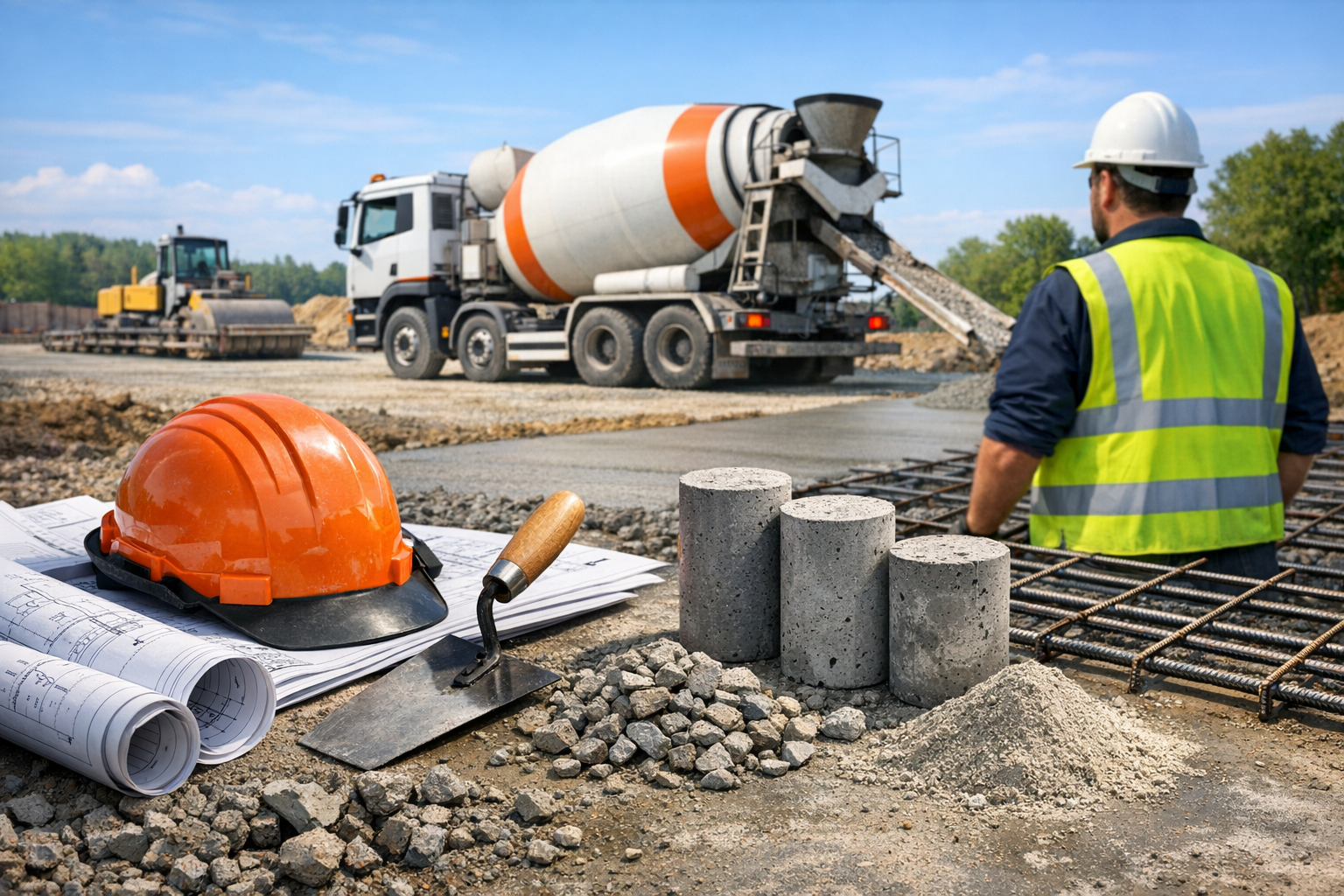
County concrete refers to concrete work completed for properties, projects, and infrastructure within a county or regional service area. In practice, the term often points to local concrete services that support homes, businesses, roads, farms, and public spaces. From driveways and patios to foundations, sidewalks, retaining walls, and repair work, county concrete services help communities build structures that are durable, functional, and ready for long-term use.
Because concrete is one of the most versatile building materials available, county concrete projects can vary widely in size and scope. A homeowner may need a new slab for a garage, while a county department may require stormwater structures or curb repairs. In either case, the goal is the same: strong, reliable concrete installed by skilled professionals who understand local conditions.
Why County Concrete Is Important
Concrete plays a major role in everyday life. It supports the surfaces people drive on, the walkways they use, and the structures that protect their homes and businesses. County concrete matters because it provides a practical, long-lasting solution for both private and public projects.
One of the biggest advantages of concrete is durability. When installed correctly, it can withstand heavy loads, frequent traffic, and changing weather. That makes it ideal for county settings where roads, sidewalks, drainage systems, and building foundations must hold up over time. It also offers low maintenance compared with many other materials, saving property owners and municipalities time and money.
Concrete is also valued for its adaptability. It can be poured into many shapes and finishes, allowing contractors to create everything from decorative patios to industrial slabs. With the right mix design and installation methods, county concrete can meet both structural and aesthetic goals.
Common County Concrete Projects
Driveways and Private Access Ways
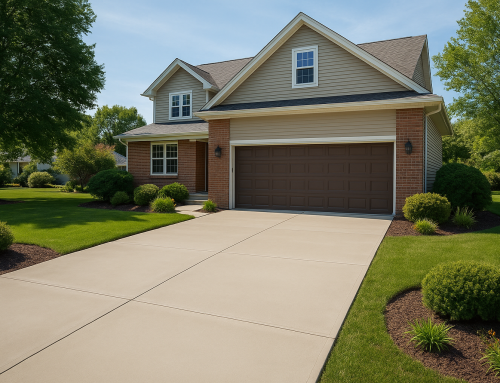
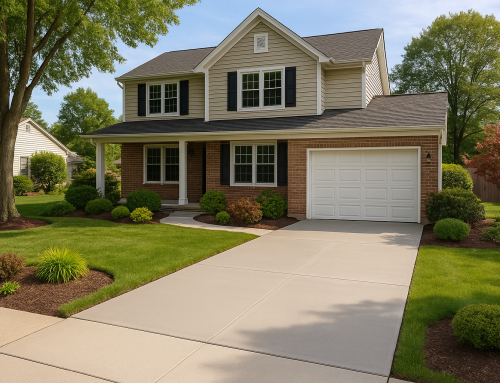
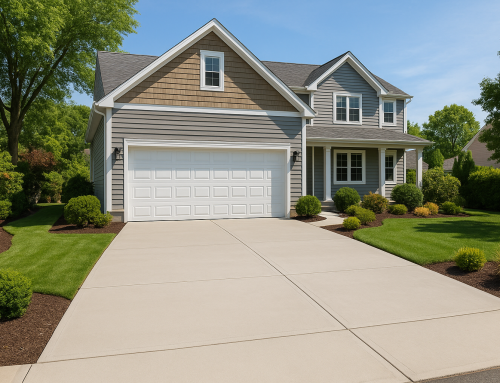
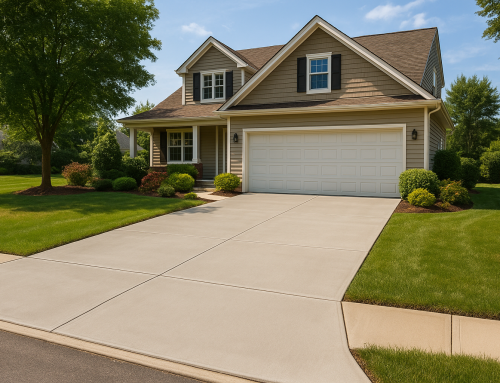
Concrete driveways are a popular choice for homeowners because they are durable, attractive, and relatively easy to maintain. In county areas where larger lots and heavier vehicles are common, concrete access ways often provide the strength needed for regular use.
Sidewalks and Walkways
Safe pedestrian access is essential in neighborhoods, business districts, parks, and public facilities. County concrete sidewalks and walkways help create smooth, accessible paths that can handle foot traffic and remain usable for years.
Foundations and Slabs
Every stable structure begins with a solid foundation. Concrete slabs are used for homes, barns, garages, sheds, and commercial buildings. Proper grading, reinforcement, and curing are essential to avoid cracking and settlement issues later on.
Retaining Walls and Drainage Structures
County concrete is often used for retaining walls, culverts, catch basins, and other drainage-related structures. These projects help manage water flow, reduce erosion, and protect surrounding land from damage.
Repairs and Replacement Work
Over time, even well-installed concrete may need patching, resurfacing, or replacement. County concrete contractors can address cracks, spalling, uneven surfaces, and structural deterioration before they become more serious problems.
Key Benefits of County Concrete
Long-Term Durability
Concrete is built to last. When mixed, poured, and cured correctly, it can resist wear from weather, vehicles, and daily use. That makes it a smart investment for both residential and commercial property owners.
Low Maintenance
Compared with materials that need frequent sealing, staining, or replacement, concrete is relatively easy to maintain. Basic cleaning and occasional sealing can keep surfaces looking good and performing well.
Cost-Effective Over Time
While the upfront cost of concrete can be higher than some alternatives, its lifespan often makes it more economical in the long run. Fewer repairs and less frequent replacement can translate into better value over time.
Versatile Design Options
County concrete does not have to be plain or utilitarian. Contractors can offer stamped finishes, colored concrete, exposed aggregate, and smooth trowel finishes, giving property owners more design flexibility.
What to Look for in a County Concrete Contractor
Choosing the right contractor is one of the most important steps in any concrete project. A skilled contractor will not only pour and finish the concrete properly, but also prepare the site, recommend the right mix, and handle curing with care.
Look for a contractor with proven local experience. County conditions can affect concrete performance, especially when dealing with freeze-thaw cycles, clay soil, moisture, or steep grades. A contractor who understands these challenges can help prevent common problems like cracking, shifting, and drainage failures.
It is also wise to review past projects, ask about licensing and insurance, and request a detailed estimate. Good contractors should be transparent about timeline, materials, site preparation, reinforcement, and finishing options. Clear communication before work begins often leads to better results once the project is underway.
How to Maintain County Concrete Surfaces
Proper maintenance helps concrete last longer and stay safer. Start by keeping surfaces clean. Sweep away dirt and debris, and wash off oil or stains as soon as possible. For driveways and walkways, regular cleaning helps preserve appearance and reduce surface damage.
Sealing is another helpful step, especially in areas exposed to moisture, salt, or heavy use. A quality sealer can protect the surface from water penetration and surface wear. Property owners should also watch for small cracks or settling and address them early. Minor repairs are usually easier and less expensive than major replacement later on.
In colder climates, avoid using harsh de-icing products that can damage the surface. Instead, choose concrete-safe options and follow seasonal maintenance recommendations from your contractor.
When to Repair or Replace Concrete
Not every damaged surface needs full replacement. Small cracks, surface pitting, and minor cosmetic issues may be repairable. However, if the concrete is severely broken, sinking, or showing widespread deterioration, replacement may be the better option.
Signs that a surface may need attention include deep cracks, uneven sections, pooling water, exposed reinforcement, and repeated repairs that no longer hold up. A qualified county concrete contractor can inspect the area and recommend the most practical solution based on safety, cost, and long-term performance.
Conclusion
County concrete is a practical foundation for homes, businesses, and public infrastructure. With the right contractor and proper maintenance, concrete surfaces can deliver years of dependable performance while improving safety, function, and curb appeal. Whether you need a new installation or a repair, choosing experienced county concrete professionals is the key to lasting results.