
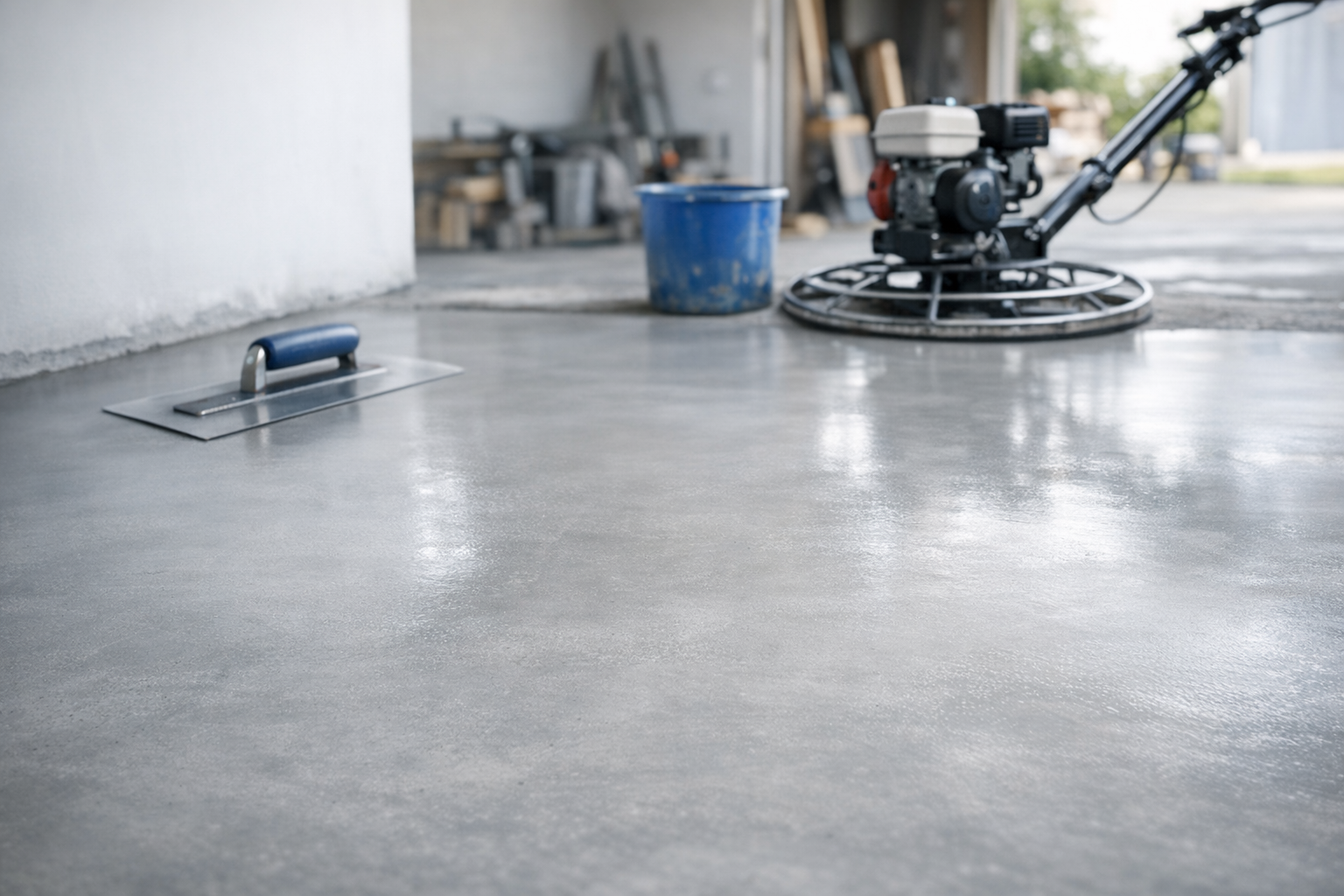
What Is Flawless Concrete?
Flawless concrete is concrete that looks clean, even, and intentionally finished while also performing well over time. It has a smooth, consistent surface with minimal visible defects such as cracks, stains, honeycombing, scaling, or uneven color. In other words, it is concrete that does its job structurally and still looks polished enough for modern homes, commercial spaces, patios, floors, and decorative features.
Many people assume flawless concrete is all about appearance, but quality is just as important. A beautiful slab that chips, dusts, or cracks early is not truly flawless. The best results come from careful planning, proper mix design, skilled placement, and the right finishing techniques.
Why Flawless Concrete Matters
Concrete is one of the most durable building materials available, but it is only as good as the way it is installed and maintained. A flawless finish improves both curb appeal and long-term value. For homeowners, it can make driveways, garage floors, patios, and walkways look more refined. For businesses, it creates a professional impression and can reduce maintenance costs over time.
Beyond looks, well-finished concrete often resists wear better. A properly compacted, cured, and sealed surface is less likely to absorb moisture, stain, or deteriorate. That means fewer repairs, fewer headaches, and a surface that continues to perform year after year.
Key Elements of a Flawless Finish
1. A Strong Concrete Mix
The foundation of flawless concrete starts with the mix itself. The right balance of cement, aggregates, water, and admixtures helps create a surface that is workable during placement and strong after curing. Too much water is one of the most common mistakes, since it weakens the slab and increases the chance of cracks, dusting, and surface defects.
2. Proper Site Preparation
Even the best mix can fail if the base is poor. The subgrade must be compacted, level, and stable before concrete is poured. A well-prepared base helps prevent settling, shifting, and future cracking. Good drainage is also essential, especially for outdoor slabs, because standing water can lead to long-term damage.
3. Careful Placement and Consolidation
Once the concrete is poured, it must be placed evenly and consolidated properly to remove air pockets. Voids inside the slab can lead to weak spots and visible surface imperfections. Skilled crews use the right tools and timing to keep the concrete uniform without overworking it.
4. Expert Finishing Techniques
The final surface depends heavily on how the concrete is finished. Screeding, floating, edging, and troweling all affect the final texture and appearance. Timing is critical: finishing too early can trap water and cause weakness, while finishing too late can make the surface rough or inconsistent. A flawless finish usually comes from patience and experience.
5. Proper Curing
Curing is one of the most overlooked steps in concrete work, yet it has a huge impact on durability and appearance. Concrete needs moisture and time to develop strength. If it dries too quickly, it can shrink and crack. Using curing compounds, plastic sheeting, or regular moisture control helps the slab harden more evenly and reduces surface blemishes.
Common Problems That Ruin a Flawless Look
Several issues can keep concrete from looking and performing its best. Cracking is one of the most common, often caused by shrinkage, movement, or poor control joints. Discoloration can happen when the mix is inconsistent, water is added unevenly, or curing is irregular. Scaling, where the surface flakes away, is often tied to freezing conditions, poor finishing, or weak curing.
Another problem is surface dusting, which creates a powdery layer on top of the slab. This usually happens when excess water weakens the surface or when the slab is finished improperly. Honeycombing, pitting, and air bubbles can also detract from the look of concrete and signal installation issues that should be addressed quickly.
How to Maintain Flawless Concrete
Once concrete is installed correctly, regular maintenance helps preserve its appearance. Sealing the surface protects it from moisture, salt, oil, and stains. Cleaning spills promptly is especially important for driveways, garages, and patios. Sweeping and washing the surface occasionally can prevent buildup that dulls the finish.
It is also wise to avoid harsh de-icing chemicals if possible, especially on decorative or polished concrete. Protecting the surface from heavy impacts and using pads under furniture or equipment can reduce chips and scratches. If cracks do appear, repairing them early helps prevent them from spreading and keeps the surface looking uniform.
When to Hire a Professional
Some small concrete projects can be handled by experienced DIYers, but flawless results often require professional skill. Hiring a contractor is especially worthwhile for large slabs, decorative finishes, polished floors, or any project where appearance and performance matter equally. Professionals bring the tools, knowledge, and timing needed to reduce errors and create a better final result.
A good concrete contractor will also help with mix selection, reinforcement, control joints, drainage, and curing strategy. These details may not be visible at first, but they play a major role in whether the finished slab looks excellent for years or starts showing problems early.
Conclusion
Flawless concrete is the result of planning, precision, and proper care at every stage of the project. From the mix and base preparation to finishing and curing, each step contributes to a surface that looks great and lasts. With the right approach, concrete can be both highly durable and visually impressive.