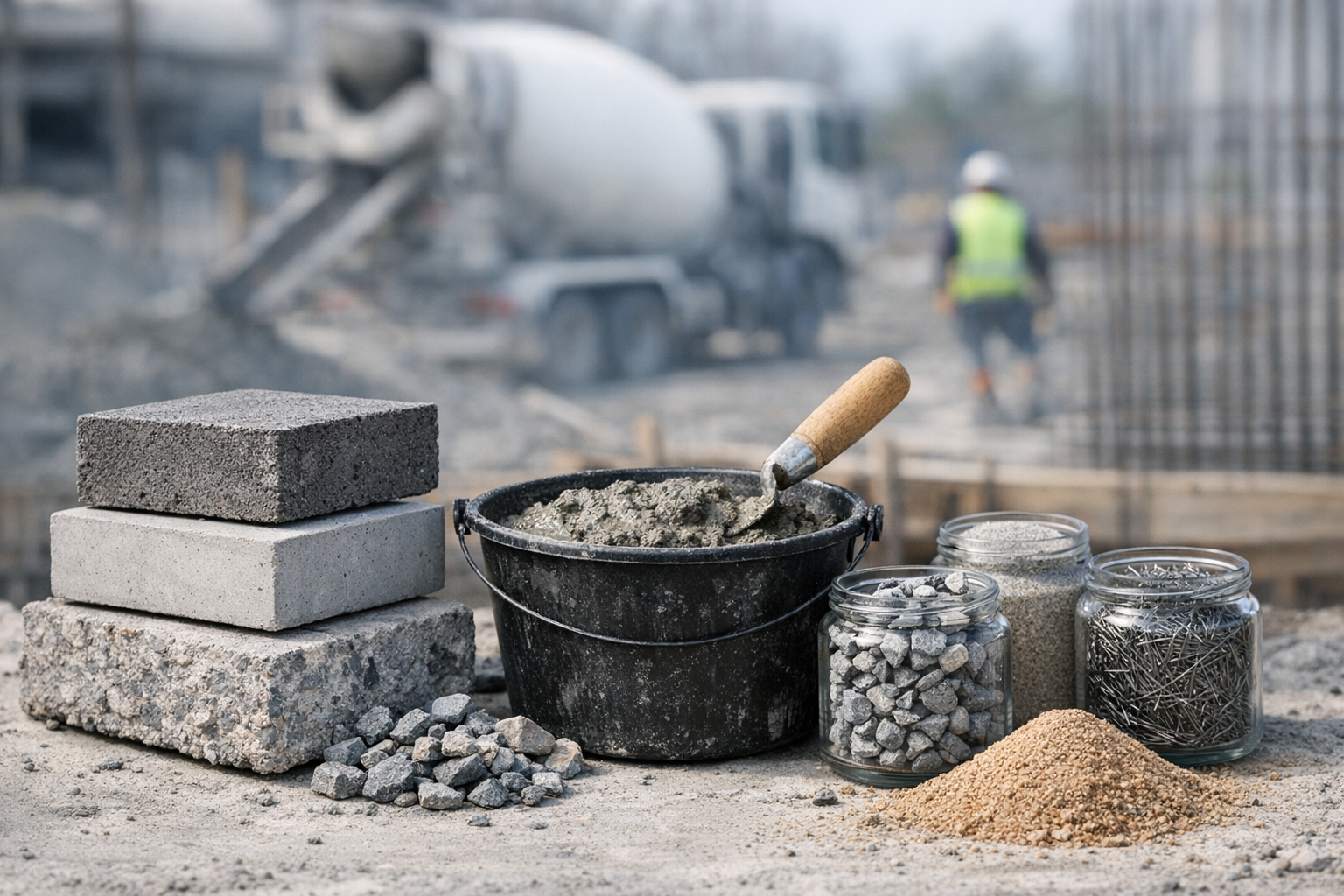
When people talk about the best concrete, they are usually looking for a mix that is strong, durable, affordable, and suited to the job at hand. The truth is that the best concrete for a driveway is not always the best concrete for a patio, foundation, sidewalk, or commercial slab. Choosing the right type starts with understanding the project, the environment, and the performance you need over time.
What Makes Concrete the “Best”?
The best concrete is not just about maximum strength. It is about finding the right balance of workability, durability, finish quality, and cost. A high-quality concrete mix should place easily, cure properly, resist cracking, and stand up to the conditions it will face. That might mean freeze-thaw cycles, heavy vehicle traffic, moisture, or exposure to chemicals.
Several factors help define the best concrete for a project:
- Strength: Measured in psi, or pounds per square inch.
- Durability: Resistance to weather, wear, and water intrusion.
- Workability: How easily the mix can be poured, shaped, and finished.
- Curing performance: How well the concrete gains strength over time.
- Appearance: Important for stamped, exposed, or decorative concrete.
In other words, the best concrete is the one designed to perform well in real-world conditions, not just on paper.
Types of Concrete and Their Best Uses
Different concrete mixes are engineered for different tasks. Knowing the main types makes it easier to choose the best option for your project.
Standard Ready-Mix Concrete
This is one of the most common choices for residential work. It is mixed at a batch plant and delivered ready to pour. Standard ready-mix concrete is ideal for driveways, patios, sidewalks, slabs, and foundations. It offers consistent quality and can be adjusted for different strength levels.
High-Strength Concrete
High-strength concrete is designed for projects that need greater load-bearing capacity. It is often used in commercial buildings, parking structures, bridges, and industrial floors. While it costs more, it offers excellent performance where structural demands are high.
Fiber-Reinforced Concrete
This type includes small fibers that help reduce cracking and improve toughness. It is a smart choice for slabs, garage floors, and other surfaces exposed to shrinkage or light impact. Fiber-reinforced concrete can be especially helpful for reducing surface cracking during curing.
Air-Entrained Concrete
Air-entrained concrete contains tiny air bubbles that help it resist damage from freezing and thawing. If you live in a colder climate, this may be one of the best concrete options for outdoor surfaces like steps, driveways, and sidewalks.
Decorative Concrete
For projects where appearance matters, decorative concrete can be stained, stamped, colored, or polished. It is popular for patios, pool decks, walkways, and indoor floors. Decorative concrete combines function with style, making it a great choice when you want both durability and curb appeal.
How to Choose the Best Concrete Mix
Choosing the best concrete begins with understanding what the surface must support. A residential patio does not need the same mix as a warehouse floor. Here are some key factors to consider:
1. Know the Load Requirements
Heavier loads require stronger concrete. A driveway that supports passenger cars may perform well with a moderate-strength mix, while a commercial slab may need a much higher psi rating. If the surface will carry trucks, equipment, or constant foot traffic, strength should be a top priority.
2. Consider the Weather
Climate plays a huge role in concrete performance. In areas with frequent freezing and thawing, air-entrained concrete can help prevent surface scaling and cracking. In hot climates, proper curing becomes even more important to reduce shrinkage and improve long-term durability.
3. Think About Finish and Appearance
If the project will be visible, such as a patio or walkway, the finish matters. Some mixes are easier to smooth and detail than others. Decorative jobs may also require a mix that accepts color or stamping well without losing strength.
4. Balance Budget and Performance
The most expensive mix is not always the best choice. The goal is to spend wisely on the features that matter most. For example, a basic slab may only need standard ready-mix, while a long-lasting outdoor surface may benefit from added air entrainment or fiber reinforcement.
5. Work with a Trusted Supplier
A reliable concrete supplier can help match the mix to your project. They can recommend the right strength, slump, and additives based on local conditions and building requirements. This guidance can make the difference between average results and a long-lasting installation.
Common Additives That Improve Concrete
Many of the best concrete mixes include admixtures, or additives, that improve performance. These ingredients are often the secret behind concrete that is easier to place, stronger, or more durable.
- Water reducers: Improve workability without weakening the mix.
- Accelerators: Help concrete set faster in cold weather or time-sensitive projects.
- Retarders: Slow the setting process in hot weather.
- Air-entraining agents: Improve freeze-thaw resistance.
- Fibers: Help reduce cracking and improve toughness.
These additives do not replace good design or installation, but they can significantly improve the final result when used correctly.
Tips for Getting the Best Results from Concrete
Even the best concrete mix can fail if it is not installed properly. Good preparation and curing are just as important as the mix itself.
- Prepare the base: A stable, compacted base helps prevent settling and cracking.
- Use the right reinforcement: Rebar or wire mesh can improve structural performance in certain projects.
- Do not add too much water: Extra water may make the mix easier to handle, but it weakens the finished concrete.
- Finish at the right time: Rushing or waiting too long can affect surface quality.
- Cure properly: Keep concrete moist during curing to help it reach full strength.
Careful installation can make a standard mix perform better than a premium mix that is placed poorly.
Conclusion
The best concrete is the one that fits your project, your climate, and your performance goals. Whether you need a simple residential slab, a decorative patio, or a heavy-duty commercial floor, the right mix can improve strength, durability, and appearance. By choosing carefully and focusing on proper installation, you can get concrete that looks good and lasts for years.