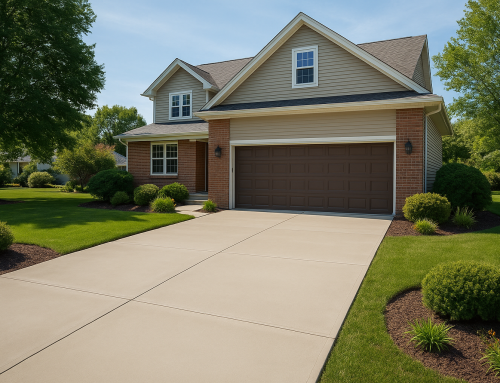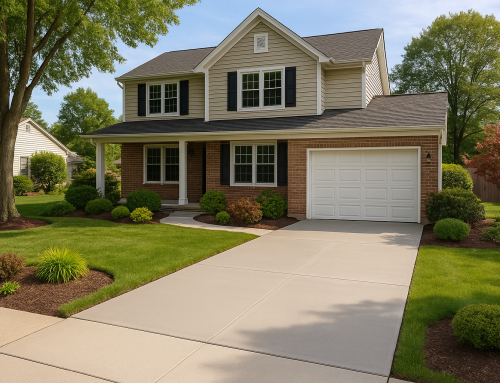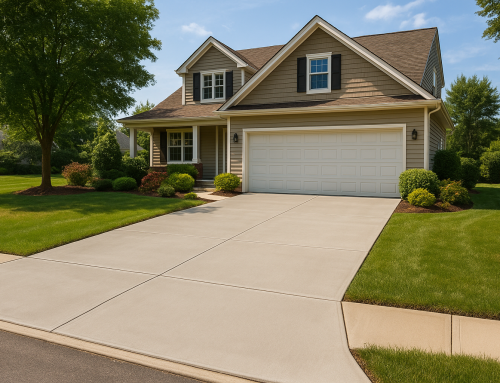
A concrete estimate is one of the most important steps in planning any residential or commercial project. Whether you are pouring a driveway, building a patio, setting a foundation, or finishing a large slab, an accurate estimate helps you budget correctly, compare contractors, and avoid costly surprises. Because concrete work involves materials, labor, site preparation, and finishing details, even small oversights can lead to major price differences.
What Is a Concrete Estimate?
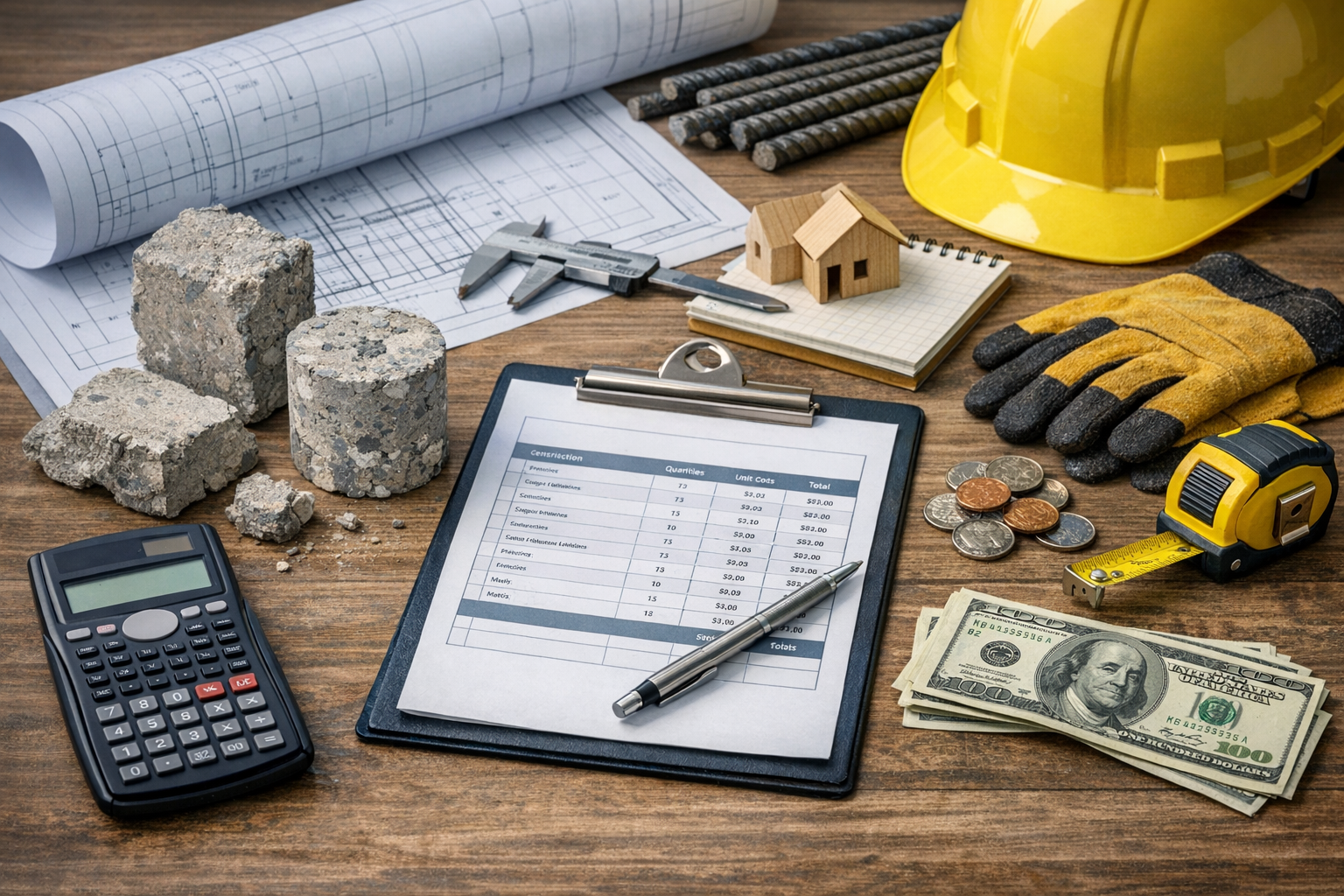
A concrete estimate is a detailed calculation of the expected cost for a concrete project. It usually includes the volume of concrete needed, material costs, labor, equipment, formwork, reinforcement, finishing, delivery, and any special site conditions. A good estimate should give you a realistic picture of the total project cost, not just the price of the concrete itself.
Homeowners often look at estimates when planning driveways, sidewalks, patios, garage floors, and foundation slabs. Builders and property managers use them for larger structural work, commercial pads, retaining walls, and repair projects. In every case, the estimate serves as a planning tool and a way to compare bids fairly.
Why a Concrete Estimate Matters
Concrete projects can vary widely in price depending on size, thickness, site access, soil conditions, reinforcement, and finish quality. A square slab that looks simple on paper may become more expensive if the ground needs excavation, the site is hard to access, or decorative finishes are added.
An accurate estimate helps you:
- Set a realistic budget before work begins
- Compare contractor bids on equal terms
- Identify hidden costs early
- Reduce the risk of change orders
- Choose the right materials and finish for your goals
Without a clear estimate, project costs can escalate quickly. That is especially true when a contractor discovers site issues after breaking ground or when the scope of work was not defined clearly at the start.
Key Components of a Concrete Estimate
1. Concrete Volume
The first step is determining how much concrete the project requires. Concrete is typically measured in cubic yards. To calculate volume, contractors use the length, width, and depth of the slab or structure. This is the foundation of the entire estimate, because material pricing is directly tied to the amount of concrete needed.
2. Material Costs
Material costs include more than the concrete mix itself. Depending on the project, the estimate may also include gravel base, rebar, wire mesh, vapor barriers, curing compounds, sealers, and decorative additives. Specialty mixes such as high-strength concrete, fiber-reinforced concrete, or fast-setting mixes can increase the price.
3. Labor
Labor is often a major part of the total cost. It covers site layout, excavation, forming, pouring, leveling, finishing, cleanup, and curing support. Complex pours, tight access, or decorative finishes require more labor and can raise the estimate significantly.
4. Equipment and Delivery
Concrete delivery fees, pump trucks, skid steers, compactors, and other equipment may be included in the estimate. If the project site is difficult to reach, pumping concrete may be necessary, which adds to the total cost.
5. Site Preparation
Before concrete can be poured, the site may need demolition, grading, excavation, drainage work, or soil compaction. These prep steps are often overlooked by homeowners, but they are essential for long-term durability. Poor base preparation can lead to cracking, settling, and drainage problems later on.
6. Finishing and Extras
The final appearance of the concrete also affects the estimate. Basic broom finishes cost less than stamped, stained, polished, or exposed aggregate finishes. Edging, control joints, sealing, and custom color work can also add to the overall price.
How Contractors Build a Concrete Estimate
Contractors usually start by reviewing the project plans or measuring the site. They calculate the required volume of concrete and then add costs for labor, materials, equipment, and overhead. A professional estimate also accounts for waste, weather delays, access issues, and local pricing.
For example, a contractor may include a small percentage for extra material to cover spillage or irregular subgrades. They may also adjust pricing if the job must be completed in a limited time window or if the site requires special equipment. Larger projects may involve more detailed line items, while smaller residential projects may be presented as a flat total.
How to Compare Concrete Estimates
When reviewing multiple estimates, do not focus only on the lowest total. Instead, compare the scope of work line by line. Make sure each bid includes the same details, such as thickness, reinforcement, finish type, excavation, disposal, and cleanup. If one estimate is significantly lower than the others, it may be missing important work.
Ask these questions when comparing bids:
- What thickness and mix strength are included?
- Is reinforcement part of the price?
- Does the estimate include site prep and removal of debris?
- What kind of finish will be applied?
- Are permits, delivery, and equipment fees included?
A clear estimate should leave little room for confusion. If anything is vague, ask for clarification before signing a contract.
Common Mistakes to Avoid
One of the most common mistakes is underestimating the scope of the project. Homeowners may forget to include demolition, grading, or drainage improvements. Another common issue is failing to confirm the thickness of the slab, which can dramatically affect both strength and cost.
It is also important not to assume all concrete is the same. A driveway, patio, and structural foundation each have different requirements. Choosing the cheapest estimate without reviewing specifications can lead to poor results, premature cracking, or expensive repairs later.
Tips for Getting a More Accurate Estimate
To improve estimate accuracy, provide as much detail as possible at the start. Share measurements, project photos, site conditions, and any design preferences. If possible, request an on-site visit so the contractor can evaluate access, slope, drainage, and soil conditions.
You should also ask for a written estimate with itemized costs. This makes it easier to understand where your money is going and helps prevent misunderstandings during the project. Finally, build a small contingency into your budget. Even the best-planned concrete project can uncover unexpected issues once work begins.
Conclusion
A concrete estimate is more than a price quote. It is a planning tool that helps you understand the full scope of your project, compare contractors confidently, and prepare for the real cost of quality work. By paying attention to materials, labor, site prep, and finishing details, you can make smarter decisions and avoid budget surprises from start to finish.