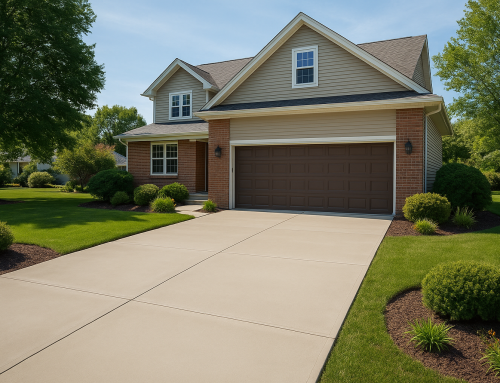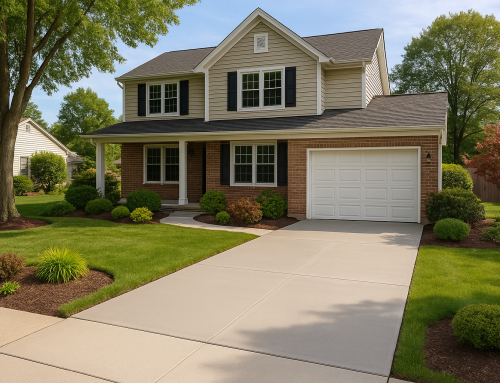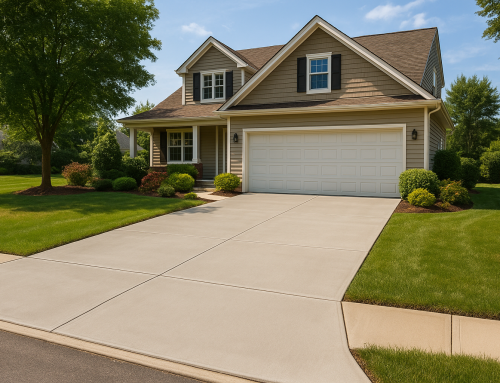
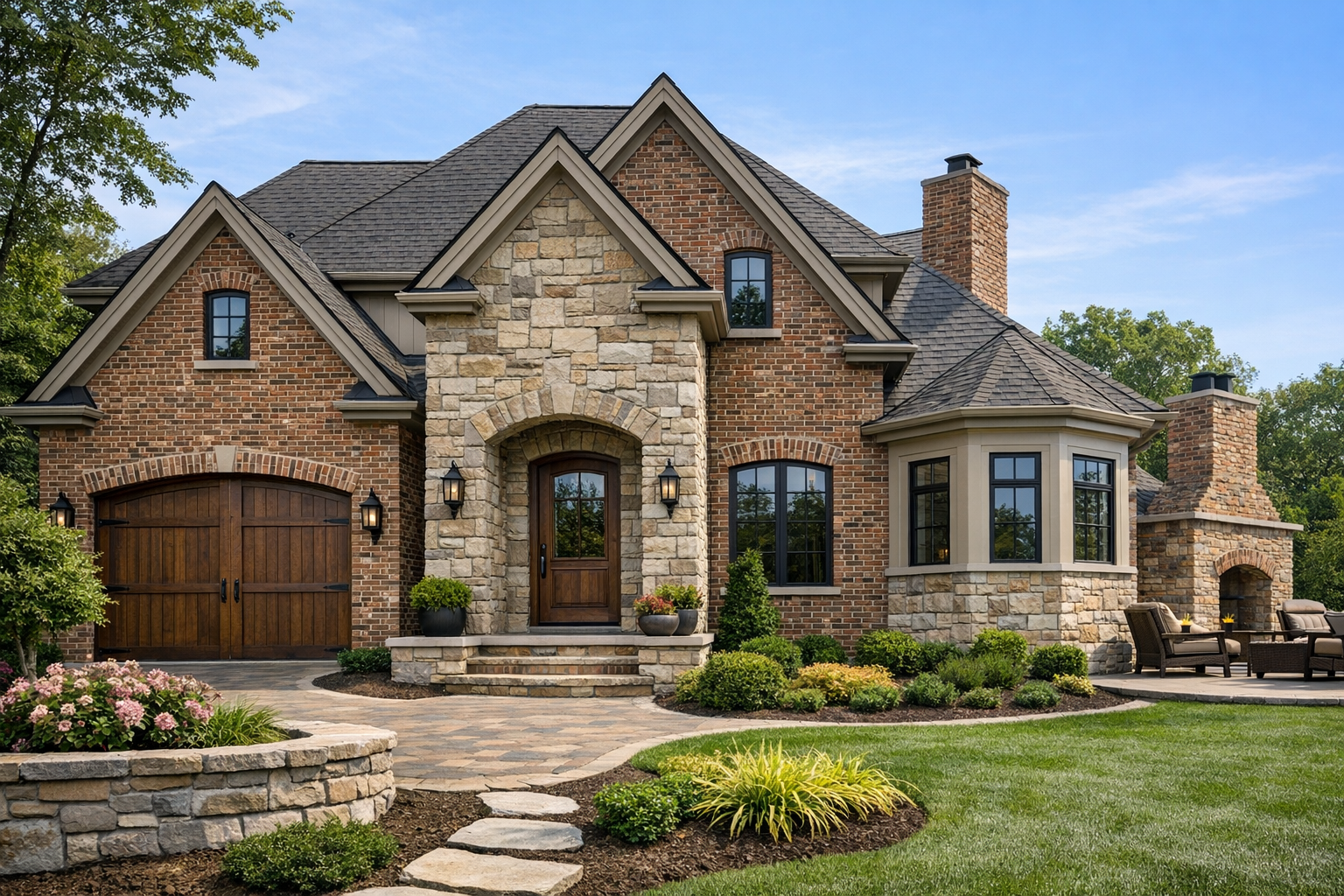
Residential masonry has long been valued for its strength, timeless look, and long service life. Whether it’s a brick façade, a stone walkway, a retaining wall, or a chimney, masonry adds both structure and character to a home. For homeowners, it offers a practical balance of durability and curb appeal that few other materials can match.
What Is Residential Masonry?
Residential masonry refers to the use of brick, stone, concrete block, and other masonry materials in home construction and exterior features. These materials are assembled with mortar to create sturdy, long-lasting structures. Masonry can be purely functional, decorative, or both, depending on the project.
Common residential masonry applications include exterior walls, fireplaces, chimneys, foundations, patios, walkways, steps, retaining walls, and outdoor living spaces. Because masonry materials are versatile, they can be used to create everything from traditional home exteriors to modern landscape features.
Benefits of Residential Masonry
Long-lasting durability
One of the biggest advantages of masonry is its durability. Brick, stone, and concrete block are built to handle heavy use and harsh weather conditions. When installed properly, masonry can last for decades with relatively little maintenance.
Timeless curb appeal
Masonry brings texture, depth, and visual interest to a home. Brick and stone never really go out of style, which makes them a smart choice for homeowners who want a classic look that still feels fresh years later.
Fire resistance
Unlike many other exterior materials, masonry is noncombustible. This can add an extra layer of protection to a home, especially around fireplaces, chimneys, and exterior walls.
Energy efficiency
Masonry can help regulate indoor temperatures by slowing heat transfer. While it is not a substitute for insulation, it can contribute to better energy performance when combined with proper construction methods.
Low maintenance
Compared with wood or siding systems that may need frequent repainting or replacement, masonry is relatively low maintenance. Basic upkeep usually includes occasional cleaning, inspecting mortar joints, and addressing small cracks or moisture issues early.
Popular Residential Masonry Materials
Brick
Brick is one of the most common choices for residential masonry. It offers a traditional appearance, strong performance, and a wide range of colors and textures. Brick works well for exterior walls, chimneys, patios, and garden features.
Natural stone
Natural stone gives homes a more organic, high-end look. Materials such as limestone, granite, fieldstone, and slate are often used for veneers, walkways, retaining walls, and decorative accents. Stone is especially popular for homeowners who want a custom, upscale appearance.
Concrete block
Concrete block is often used for structural walls, foundations, and retaining walls. It is strong, cost-effective, and adaptable. In many cases, it is covered with a veneer or finish layer for added style.
Manufactured stone veneer
Manufactured stone veneer offers the look of natural stone at a lower cost and weight. It is a popular option for accent walls, fireplace surrounds, and exterior details where appearance matters as much as performance.
Common Residential Masonry Projects
Residential masonry is used in many parts of a property. Exterior masonry walls can define the look of a home while adding structure and insulation value. Chimneys and fireplaces remain classic features that showcase craftsmanship and provide warmth and comfort.
Outdoor masonry projects are also popular. Patios, walkways, steps, and retaining walls can improve the function and beauty of a yard. These features help create outdoor living areas that feel finished and inviting.
Masonry is also commonly used for foundations and basement walls. In these applications, strength and moisture resistance are especially important. A well-built masonry foundation supports the entire home and helps protect it from shifting and wear over time.
Maintenance Tips for Homeowners
Even though masonry is durable, it still benefits from regular care. Start by inspecting brick, stone, or block surfaces for cracks, loose mortar, or signs of water damage. Small issues are much easier to fix before they spread.
Keep gutters and downspouts working properly so water does not run down masonry surfaces. Moisture is one of the biggest threats to masonry, especially in climates with freeze-thaw cycles. If you notice efflorescence, staining, or crumbling mortar, it may be time for a professional evaluation.
Cleaning should be done carefully. Harsh chemicals or pressure washing can damage the surface if used incorrectly. In many cases, gentle cleaning methods are best, especially for older brick or natural stone.
When to Hire a Masonry Professional
Some small repairs may seem manageable, but masonry work often requires skill and experience. A professional mason can match materials, repair mortar joints correctly, and ensure that structural problems are addressed the right way.
It is especially important to hire a professional for foundations, chimneys, load-bearing walls, retaining walls, and any project involving significant moisture exposure. Proper installation affects not only appearance but also safety and long-term performance.
If you are planning a new masonry project, an experienced contractor can also help with material selection, design options, and maintenance planning. This can save time and reduce costly mistakes.
Conclusion
Residential masonry is a smart investment for homeowners who want lasting strength, low maintenance, and classic beauty. From exterior walls to patios and fireplaces, masonry can enhance both the function and the look of a home. With the right materials and professional installation, it provides value that can be enjoyed for many years.