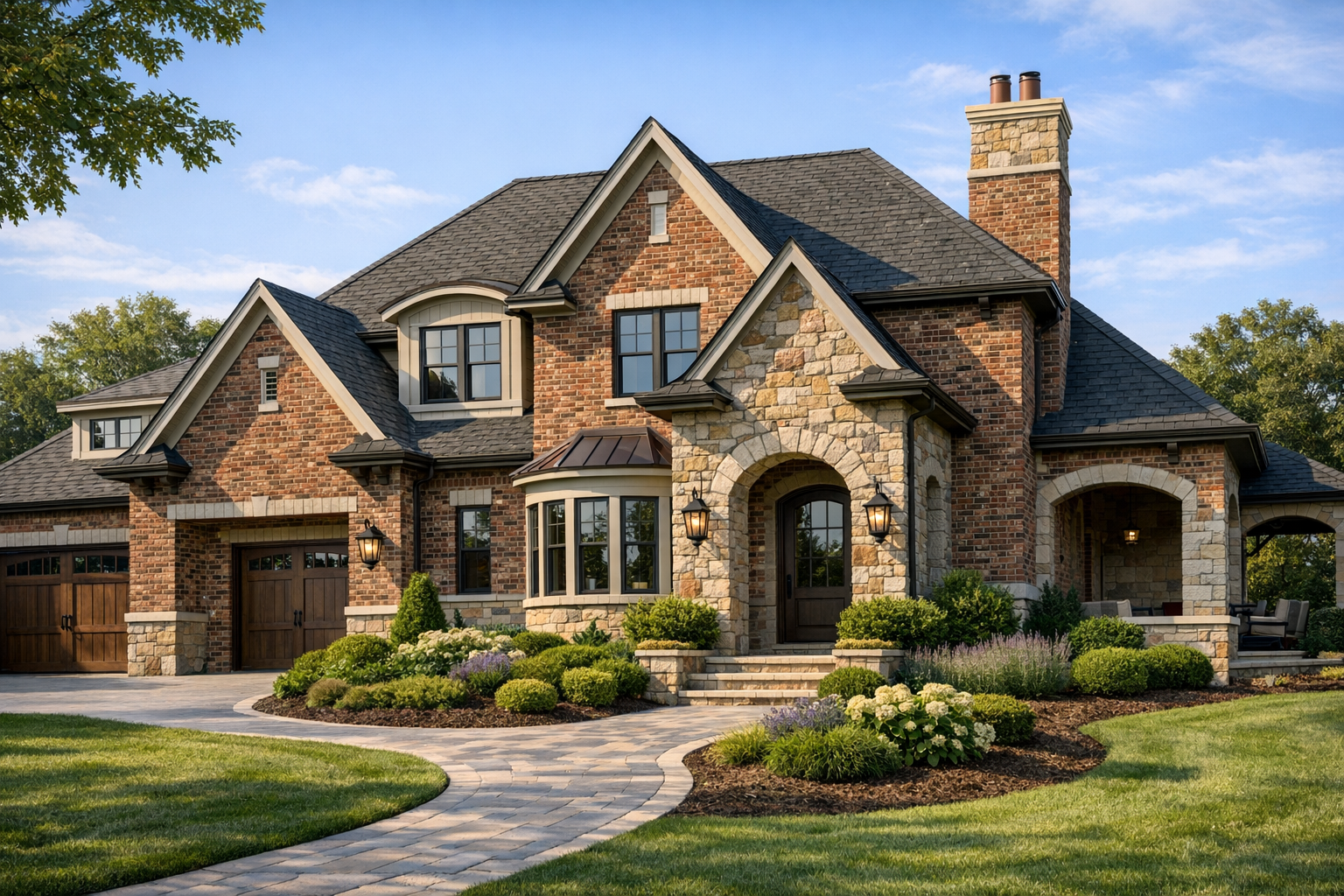
Introduction to Masonry Residential Construction
Masonry residential construction has long been valued for its strength, beauty, and lasting performance. From classic brick homes to elegant stone facades and modern block-built structures, masonry offers homeowners a reliable way to create a house that stands out and stands the test of time. Whether you are building a new home, planning an addition, or considering exterior upgrades, masonry can add both structural and visual value to a residential property.
In today’s housing market, homeowners are looking for materials that combine low maintenance, energy efficiency, and curb appeal. Masonry residential design delivers on all three. Its natural durability helps protect homes from weather, pests, and daily wear, while its range of colors, textures, and finishes makes it adaptable to nearly any architectural style.
What Is Masonry Residential Construction?
Masonry residential construction refers to the use of materials such as brick, stone, concrete block, or manufactured masonry units in home building and design. These materials are typically assembled using mortar to form walls, veneers, chimneys, fireplaces, patios, retaining walls, and other features. Depending on the project, masonry can be structural, decorative, or both.
In residential settings, masonry is often used in one of two ways:
- Structural masonry: The masonry supports part or all of the building’s load.
- Veneer masonry: The masonry serves as an exterior finish attached to a framed structure.
Both approaches offer distinct benefits. Structural masonry provides exceptional strength, while veneer systems give homeowners the appearance and durability of masonry without requiring the entire home to be built from it.
Benefits of Masonry in Residential Homes
Exceptional Durability
One of the biggest advantages of masonry residential construction is durability. Brick and stone can withstand harsh weather, fire, and everyday impact better than many other building materials. Properly installed masonry can last for generations with minimal deterioration, making it a smart long-term investment.
Low Maintenance
Compared with siding or wood trim, masonry requires relatively little upkeep. It does not rot, warp, or attract termites. Occasional cleaning and routine inspections are usually enough to keep masonry surfaces in good condition. This low-maintenance quality is especially appealing for homeowners who want a beautiful exterior without constant repairs.
Energy Efficiency
Masonry materials have excellent thermal mass, which means they can absorb and slowly release heat. This helps regulate indoor temperatures and may reduce heating and cooling demands over time. In residential construction, that can lead to a more comfortable living environment and potential energy savings.
Fire Resistance
Masonry is naturally noncombustible, offering an important layer of fire protection for homes. While no building material can eliminate fire risk entirely, masonry can help slow the spread of flames and improve overall home safety.
Timeless Curb Appeal
Few materials match the classic appeal of masonry. Brick homes often evoke tradition and charm, while stone adds texture and elegance. With many styles, colors, and patterns available, masonry can be tailored to create anything from a rustic farmhouse look to a sleek contemporary design.
Popular Masonry Materials for Residential Projects
Brick
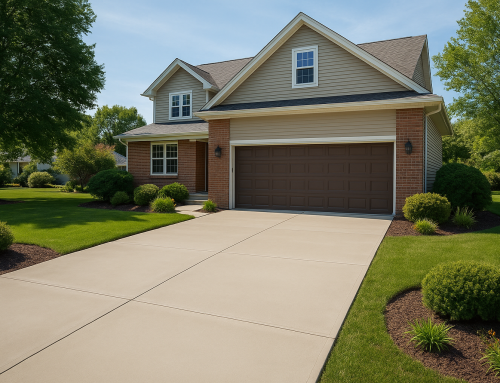
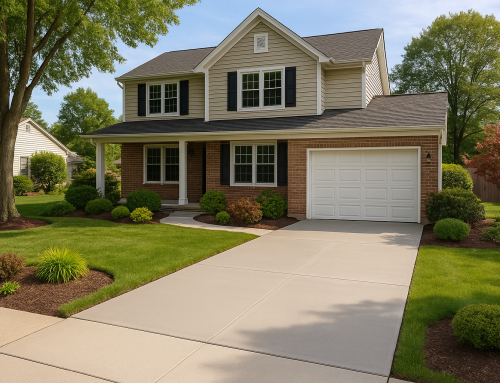
Brick is one of the most popular choices for masonry residential projects because of its versatility and enduring appearance. It works well for both full exteriors and accent features. Brick is available in a wide range of shades, from warm red and brown tones to lighter, modern neutrals.
Natural Stone
Natural stone gives homes a rich, distinctive character. Limestone, granite, fieldstone, and slate are often used for exterior walls, fireplaces, entryways, and landscape features. Stone tends to be more expensive than other materials, but many homeowners appreciate its unmatched visual impact.
Concrete Block
Concrete block is a practical and cost-effective masonry material commonly used in foundations, structural walls, and utility areas. It offers strength and durability, and it can be finished with veneer, stucco, or paint for a more polished appearance.
Manufactured Stone Veneer
For homeowners who want the look of natural stone at a lower cost, manufactured stone veneer is a popular option. It is lightweight, easier to install, and available in many styles that imitate natural stone patterns and textures.
Where Masonry Works Best in Residential Design
Masonry can be used throughout the home and property, not just on exterior walls. Its flexibility makes it suitable for a wide variety of applications.
- Home exteriors: Brick or stone facades create striking, durable curb appeal.
- Chimneys: Masonry chimneys are a classic and reliable choice.
- Fireplaces: Indoor and outdoor fireplaces benefit from the heat resistance and beauty of masonry.
- Foundations: Concrete block is frequently used for strong, stable foundations.
- Patios and walkways: Masonry pavers and stone surfaces enhance outdoor living spaces.
- Retaining walls: Masonry walls help manage slopes while adding structure and style to the landscape.
When thoughtfully designed, these features can tie a property together and increase its overall value.
Design Considerations for Masonry Residential Projects
Before starting a masonry project, homeowners should consider the style of the home, the local climate, and the intended function of the masonry. A skilled mason or builder can help determine which materials and installation methods are best for the project.
Color coordination is also important. The right brick or stone should complement the roof, windows, trim, and surrounding landscape. Texture and pattern can further influence the home’s character, whether the goal is traditional, modern, or somewhere in between.
It is also important to plan for proper drainage, flashing, and moisture control. Masonry is durable, but like any building system, it performs best when installed correctly. Good workmanship helps prevent water intrusion, cracking, and long-term damage.
Why Masonry Adds Long-Term Value
Masonry residential construction often increases a home’s resale value because buyers recognize its benefits. A masonry exterior can signal quality, longevity, and reduced maintenance needs. In many cases, buyers are willing to pay more for homes with attractive brick or stone features because they know those materials age well and require less upkeep over time.
Beyond market value, masonry also adds daily value by improving comfort, reducing maintenance tasks, and creating a more enjoyable living space. For homeowners who plan to stay in their homes for many years, these benefits can be just as important as resale potential.
Conclusion
Masonry residential construction remains one of the best choices for homeowners who want a home that is strong, attractive, and built to last. With options ranging from brick and stone to block and veneer systems, masonry offers flexibility for nearly every style and budget. Whether used for the full exterior or as a decorative accent, it brings a timeless quality that enhances both form and function.