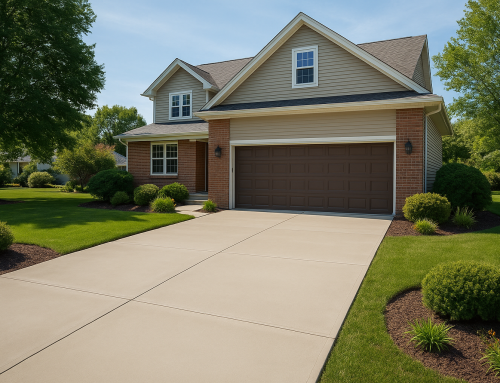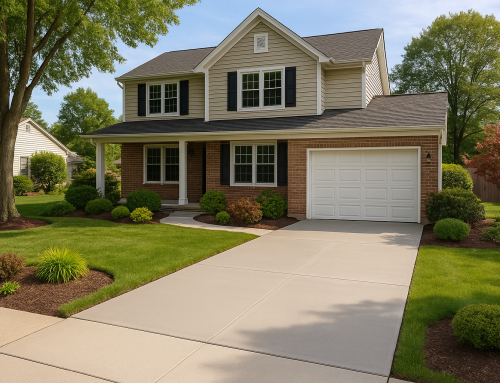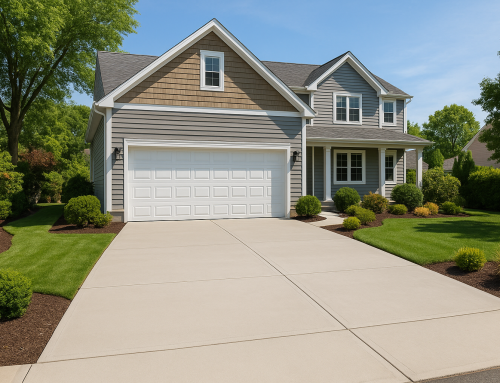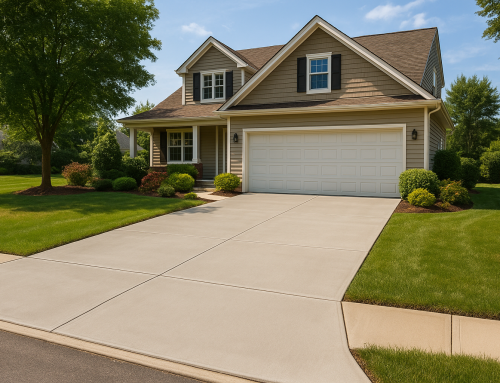
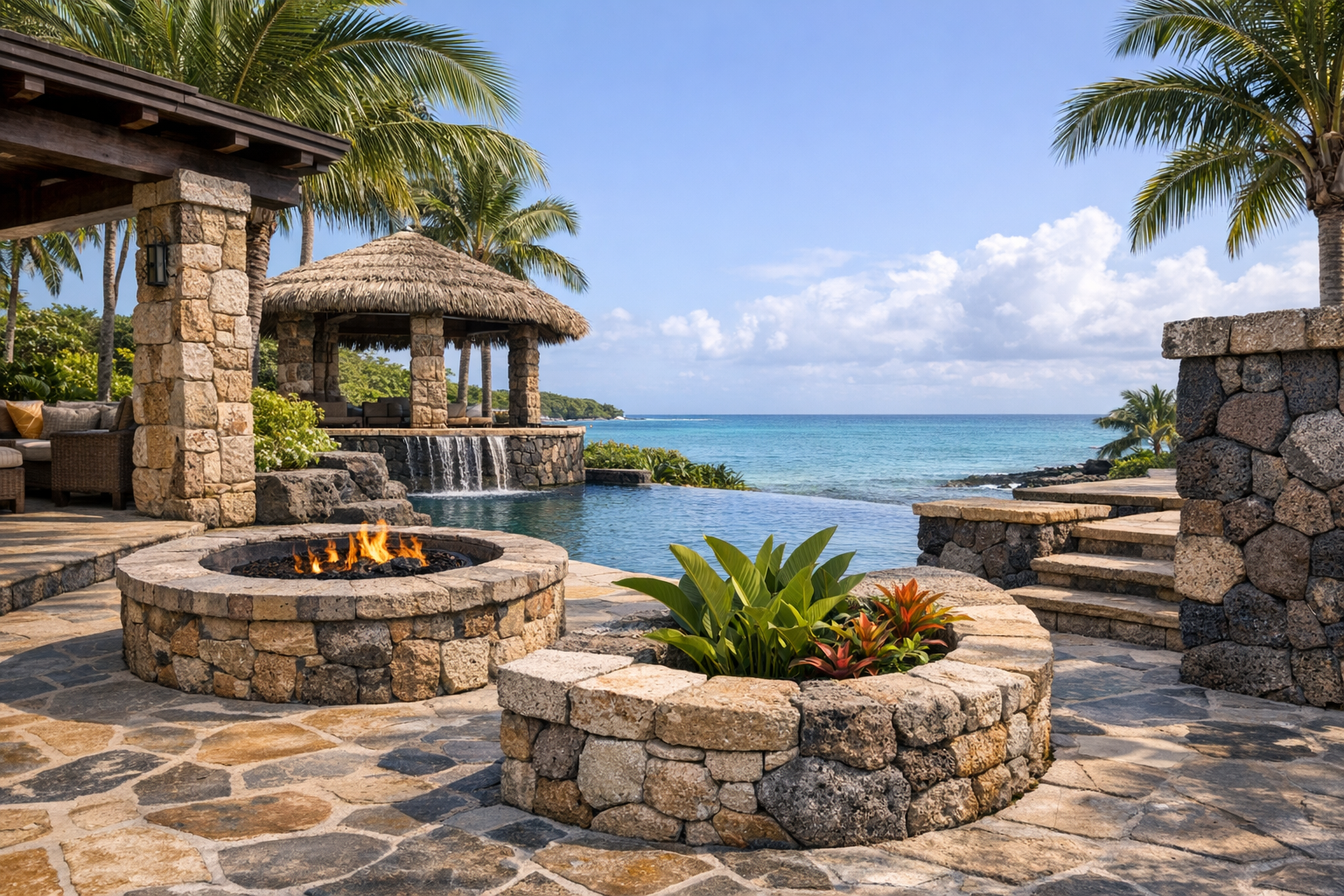
Island masonry blends structural strength with an easy, natural beauty that suits coastal and tropical environments. Whether used for homes, resorts, retaining walls, patios, or decorative features, masonry in island settings must stand up to salt air, humidity, heavy rain, and strong sun. That means the best island masonry is not only attractive, but also built to last.
What Is Island Masonry?
Island masonry refers to the design and construction of walls, surfaces, and architectural features using stone, brick, concrete block, stucco, and other durable materials adapted for island climates. It is often associated with relaxed, organic styles that complement ocean views and natural landscapes. At the same time, it must meet demanding performance needs in areas where weather and soil conditions can be challenging.
In practice, island masonry may include structural walls, garden borders, outdoor kitchens, fireplaces, pathways, seawalls, and decorative facades. The focus is on combining beauty, longevity, and resistance to environmental wear.
Why Island Masonry Matters
Island properties face unique conditions that can quickly damage poorly chosen materials. Salt in the air can corrode metal components and weaken some finishes. Humidity may encourage mold, algae, and efflorescence. Heavy rainfall can lead to erosion, water intrusion, and shifting foundations. Strong UV exposure can also fade or break down certain surfaces over time.
Because of these challenges, island masonry is about more than appearance. It helps protect buildings, improve outdoor usability, and reduce long-term maintenance. A properly designed masonry feature can add value while creating a polished look that feels at home in the landscape.
Common Materials Used in Island Masonry
Material choice is one of the most important parts of island masonry. Builders often select products that balance durability, maintenance, and style.
Natural Stone
Natural stone is a popular choice for island projects because it offers timeless appeal and excellent durability. Coral stone, limestone, basalt, and other regionally appropriate stones can create a distinctive look. When properly sealed and installed, stone performs well in outdoor spaces and pairs beautifully with tropical vegetation.
Concrete Block
Concrete block is widely used for structural work because it is strong, cost-effective, and versatile. It can be finished with stucco, plaster, or veneer to create a refined look. In island environments, reinforced block walls are often used for homes, boundary walls, and retaining structures.
Brick
Brick brings warmth and texture to a project. While it is less common in some coastal climates than stone or block, high-quality brick can still be a reliable option when installed correctly. It is often used for accent walls, columns, patios, and traditional-style homes.
Stucco and Render Finishes
Stucco is frequently applied over masonry to provide a smooth, weather-resistant surface. In island settings, breathable and flexible finishes are especially important to help manage moisture and cracking. Light colors are often chosen to reflect heat and create a bright, clean appearance.
Design Considerations for Island Masonry
A successful island masonry project requires more than choosing the right materials. Design details play a major role in how well a structure performs over time.
Moisture Management
Water is one of the biggest threats to masonry. Good design should include proper drainage, weep holes where needed, sloped surfaces, and careful flashing around openings. These features help prevent trapped moisture, which can lead to cracking, staining, and deterioration.
Salt and Corrosion Resistance
In coastal areas, hardware and reinforcement should be selected with salt exposure in mind. Stainless steel or corrosion-resistant materials are often preferred. Sealants and coatings may also be used, but they should be compatible with the masonry type and climate conditions.
Wind and Storm Performance
Island masonry should be engineered to handle strong winds and, in some regions, storm surge or hurricanes. Reinforcement, wall thickness, and foundation design all affect structural performance. Working with experienced masonry professionals is essential when weather exposure is severe.
Integration with Landscape and Architecture
Good island masonry should feel connected to its surroundings. Curved walls, textured surfaces, natural tones, and open-air features can help a structure blend with the environment. Outdoor living spaces often benefit from masonry that frames views without feeling heavy or overbuilt.
Popular Island Masonry Applications
Island masonry can be used in many parts of a property, both functional and decorative.
- Retaining walls: Stabilize sloped land and control erosion.
- Outdoor kitchens and grills: Create durable entertaining spaces.
- Fire pits and fireplaces: Add warmth and ambiance outdoors.
- Patios and walkways: Improve access and visual appeal.
- Boundary walls and privacy screens: Define property lines while maintaining style.
- Facades and accents: Enhance curb appeal with texture and depth.
These applications are especially useful in island settings where outdoor living is a major part of daily life.
Maintenance Tips for Long-Lasting Results
Even durable masonry needs regular care in coastal climates. Routine cleaning helps remove salt deposits, mildew, and organic buildup. It is also important to inspect joints, sealants, and drainage paths after storms or seasonal weather changes.
If cracks, staining, or loose sections appear, addressing them early can prevent bigger problems later. Reapplying sealers as needed and keeping vegetation away from walls can also extend the life of masonry features. With proper care, island masonry can remain attractive and functional for many years.
Working with the Right Masonry Professional
Because island environments can be demanding, choosing an experienced masonry contractor matters. Look for a team that understands local climate conditions, soil behavior, and material performance in coastal settings. A knowledgeable professional can recommend the right mix of structure, finish, and maintenance strategy for your property.
It is also wise to review past projects and ask how the contractor handles moisture protection, reinforcement, and material selection. The right expertise can make the difference between a project that merely looks good and one that stands the test of time.
Conclusion
Island masonry combines strength, style, and environmental adaptability. When carefully planned and properly built, it enhances outdoor living while resisting the effects of salt, sun, and moisture. For homeowners and property developers, it remains one of the most reliable ways to create beautiful spaces that last.