Choosing the right concrete can make a big difference in how a project looks, performs, and holds up over time. The best option depends on where the concrete will be used, how much weight it needs to support, the local climate, and the finish you want. From standard ready-mix to decorative and high-strength options, understanding the top concrete types can help you plan with confidence.
Concrete is made from cement, water, and aggregates such as sand and gravel. Additives and different mix proportions can change how quickly it sets, how strong it becomes, and how it handles exposure. Here are popular concrete options and the situations where each may be a good fit.
Top Concrete Types for Common Projects
1. Ready-Mix Concrete
Ready-mix concrete is prepared at a batching plant and delivered to the jobsite in a truck. Because its ingredients are measured and mixed under controlled conditions, it offers consistent quality and saves time compared with mixing large quantities on-site.
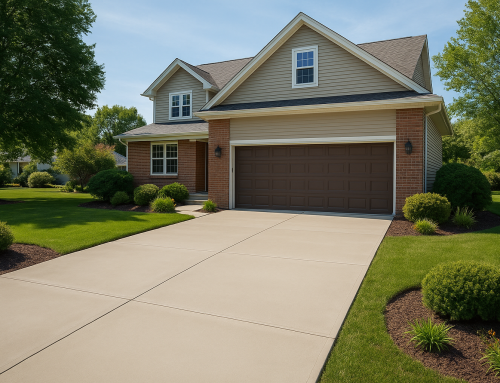
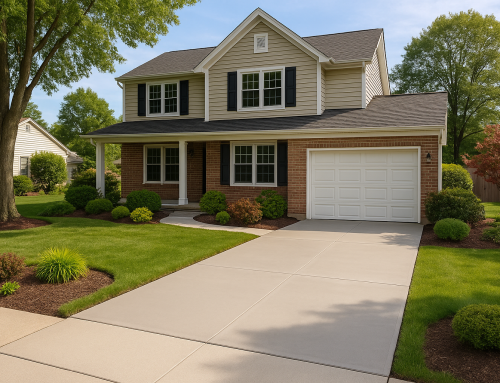
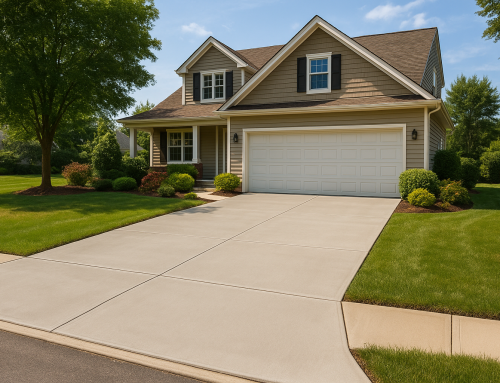
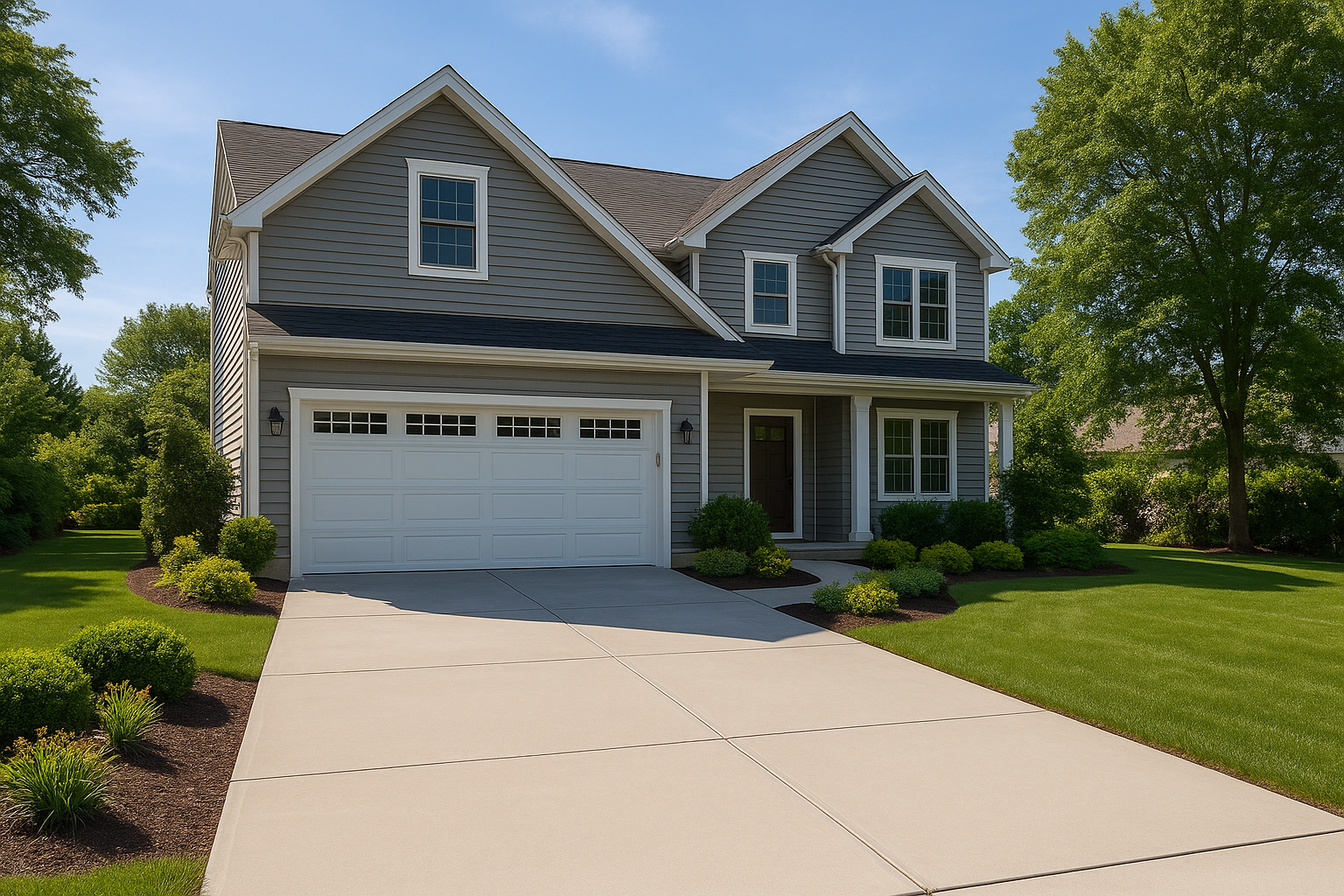
It is a practical choice for foundations, driveways, sidewalks, floors, and many other residential or commercial projects. The supplier can often adjust the mix for the application, so discuss the required strength, placement method, and finishing schedule before ordering. Accurate measurements are important: ordering too little can delay work, while excess concrete may go to waste.
2. High-Strength Concrete
High-strength concrete is designed to carry substantial loads and withstand demanding structural conditions. It is commonly used for columns, bridges, high-rise buildings, and other engineered work. Its performance depends on carefully selected materials, mix proportions, and installation practices.
Strength is not the only consideration. A mix that works well in a structural element may be unnecessary for a garden path or small patio. For load-bearing work, follow the project plans and consult a qualified engineer or concrete professional rather than choosing a mix based on strength numbers alone.
3. Fiber-Reinforced Concrete
Fiber-reinforced concrete contains small fibers distributed through the mix. Depending on the fiber type and design, these additions can help control cracking, improve toughness, or provide greater resistance to impact. Fibers may be made from synthetic materials, steel, glass, or other specially designed products.
This concrete may suit slabs, industrial floors, pavements, and projects where crack control is a priority. Fibers do not automatically replace reinforcing bars or welded wire reinforcement. The appropriate reinforcement system should be specified for the loads and conditions the concrete will face.
4. Stamped Concrete
Stamped concrete is finished with patterns pressed into the surface while the concrete is still workable. It can imitate materials such as stone, brick, slate, or wood, offering a decorative look without installing individual pieces of paving. Color can be added through integral pigments, surface hardeners, or stains.
Stamped concrete is popular for patios, walkways, pool surrounds, and entryways. The finished surface needs proper curing and periodic sealing to help protect its color and texture. Since timing is critical during installation, experienced placement and finishing are especially important.
5. Exposed-Aggregate Concrete
Exposed-aggregate concrete reveals the stones in the mix by removing the thin surface layer of cement paste. The result is a textured finish with natural variation. It is often used for driveways, garden paths, and outdoor entertaining areas where a decorative, durable surface is desired.
Aggregate size, color, and type affect the final appearance. Ask to see samples before work begins, because the look can vary from one mix to another. Good drainage and suitable surface treatment help the finished area perform well outdoors.
6. Pervious Concrete
Pervious concrete has a more open structure that lets rainwater pass through into the ground below. It can help manage runoff when designed and installed correctly, making it an option for some parking areas, walkways, and low-traffic pavements.
Because it has different structural and maintenance requirements from conventional concrete, pervious concrete is not suitable for every site. Soil conditions, expected traffic, drainage design, and local requirements all matter. A knowledgeable contractor can determine whether it is appropriate for the project.
How to Choose the Best Concrete for Your Project
Start by defining the job. A driveway must handle vehicles and changing weather, while a decorative patio may place greater emphasis on color and texture. A foundation or structural element requires a mix that meets the plans and applicable building codes. Share these details with your supplier or contractor before selecting a product.
- Consider the load: Identify whether the surface will support foot traffic, vehicles, equipment, or structural loads.
- Account for climate: Freeze-thaw exposure, heat, and moisture can influence the mix and finishing requirements.
- Choose the finish: Decide whether you want a smooth, brushed, stamped, or exposed-aggregate surface.
- Plan placement: Site access, delivery distance, weather, and available labor can affect which mix is practical.
- Ask about maintenance: Find out whether sealing, cleaning, or other upkeep is recommended for the chosen finish.
Why Installation Matters as Much as the Mix
Even a well-designed concrete mix can underperform if the base is poorly prepared or the concrete is placed and cured incorrectly. A stable, properly compacted base helps limit movement. Correct joints can manage cracking, while careful finishing and curing support a durable surface. Weather protection may also be needed during very hot, cold, or wet conditions.
Before hiring a contractor, ask about relevant experience, preparation methods, reinforcement, joint placement, curing, and the project schedule. For structural work, verify that the proposed mix and installation follow the approved plans and local code requirements.
Conclusion
The top concrete choice is the one that matches your project’s performance needs, appearance, site conditions, and budget. Ready-mix works for many everyday applications, while high-strength, fiber-reinforced, stamped, exposed-aggregate, and pervious concrete serve more specific purposes. Compare options with a qualified supplier or contractor, and pair the right mix with careful installation for results built to last.