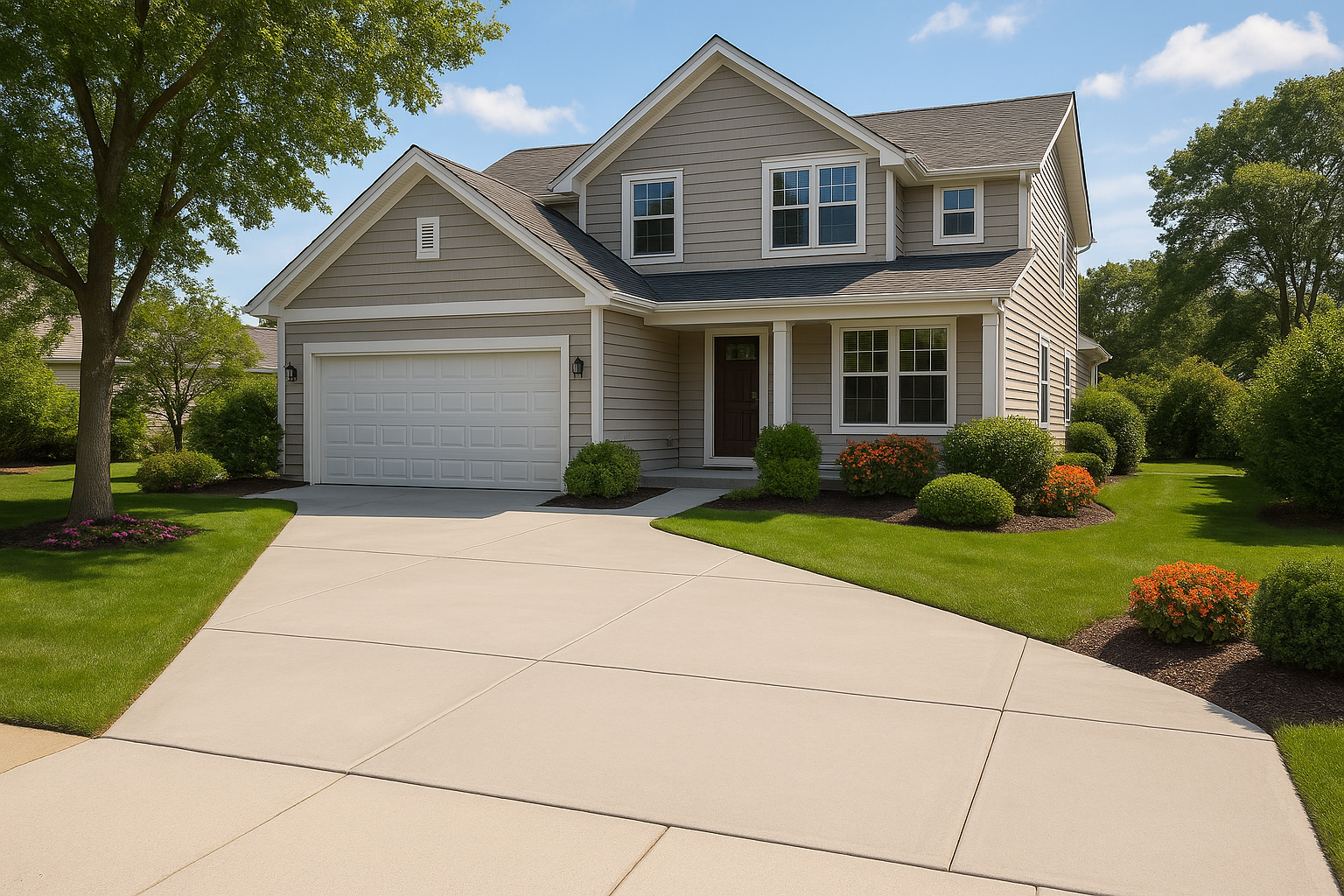
From a new driveway to a patio built for summer gatherings, concrete can add durability and useful outdoor space to a Long Island property. The results depend on more than the concrete itself: planning, preparation, installation, and attention to local conditions all matter. Choosing an experienced concrete contractor on Long Island can help you understand your options and avoid costly surprises.
Concrete Services for Long Island Homes
Concrete is versatile, so contractors may handle projects of different sizes and styles. Before requesting an estimate, decide what you want the finished space to do and how it should look.
Driveways and Walkways
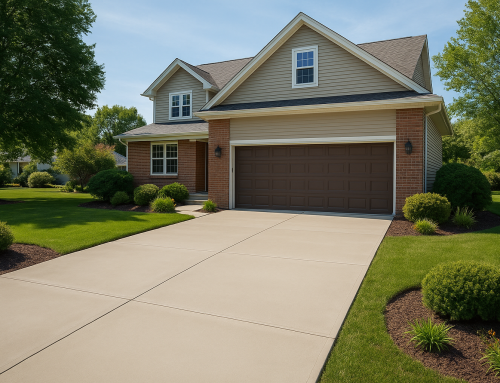
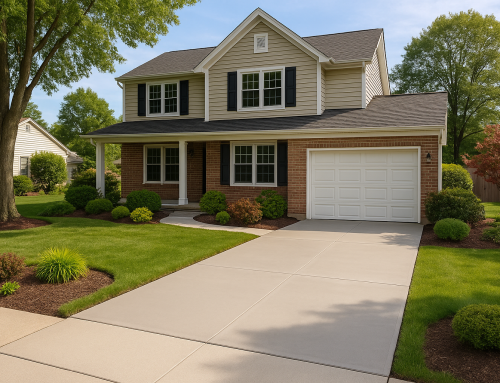
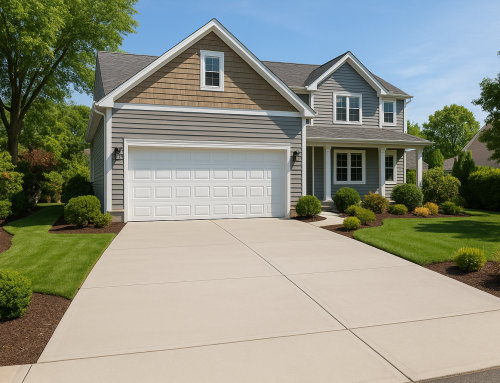
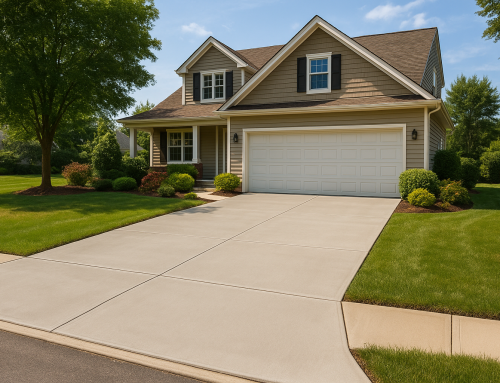
A concrete driveway offers a clean, durable surface for everyday vehicle traffic. Walkways can connect a driveway to the entrance, garden, or backyard while making routes around the property easier to use. Good layout and grading are important: surfaces should direct water away from the house and avoid creating low spots where water can collect.
Patios, Steps, and Foundations
Patios can provide a practical setting for outdoor dining and relaxing. Concrete steps and landings can improve access, while foundation and slab work supports structures such as garages and sheds. Each project has different requirements, so discuss intended use, dimensions, drainage, and finish with your contractor before work begins.
Decorative Concrete
Concrete does not have to look plain. Depending on the project, options may include colored concrete, exposed aggregate, borders, or stamped patterns that create the appearance of stone or brick. Decorative finishes can affect the project’s price and maintenance needs, so ask to see examples and confirm which choices suit the area’s expected foot or vehicle traffic.
What to Look for in a Concrete Contractor on Long Island
Compare contractors on experience, communication, and the details in their proposals—not just the lowest price. A clear conversation before work starts can help you understand what is included and how the project will be managed.
Review Relevant Experience
Ask whether the contractor has completed projects similar to yours and request photos or references where available. A company experienced with driveways may not specialize in decorative patios or structural concrete, so check that its experience matches your plans. You can also ask how the crew handles site preparation, drainage, joints, and curing.
Check Credentials and Insurance
Confirm that the contractor has the required local or county licenses for the work and carries appropriate insurance. Requirements can differ by location and project type, so verify what applies to your property. Ask for written confirmation of coverage and clarify who is responsible for permits or inspections, if needed.
Request a Detailed Written Estimate
A useful estimate should describe the scope of work, approximate dimensions, site preparation, materials, finish, cleanup, payment schedule, and expected timeline. It should also state how changes or unexpected site conditions will be handled. If two estimates differ substantially, ask each contractor to explain what is included rather than comparing only the final totals.
Planning for Long Island Conditions
Long Island properties vary in soil, drainage, exposure, and access. Coastal weather and seasonal temperature changes also make thoughtful installation and upkeep important. The contractor should assess the site instead of relying on a one-size-fits-all plan.
Site Preparation and Drainage
Proper preparation typically includes evaluating the existing surface, clearing the work area, and preparing a stable base suited to the project. Ask how the contractor will manage runoff and where water will flow after installation. This is especially important near foundations, garage entrances, and neighboring properties. Good drainage planning can reduce pooling and help protect the surrounding landscape.
Timing, Curing, and Access
Concrete work depends on suitable conditions, and weather may affect scheduling. Ask how rain, heat, or cold could change the start date or curing plan. Your contractor should explain when people can walk on the surface and when vehicles or heavy items can return. Arrange alternate parking or access in advance, particularly if the driveway will be blocked during the project.
Understanding Project Costs
Concrete costs depend on the size and shape of the project, site access, removal of old material, base preparation, reinforcement, drainage work, and finish choices. A straightforward replacement may have different requirements from a sloped driveway or a decorative patio. Hidden or unexpected conditions, such as difficult access or unsuitable existing base material, can also affect the scope.
To get meaningful comparisons, give each contractor the same project details and ask for a written description of any allowances or exclusions. Be cautious of estimates that are unusually vague or pressure you to make an immediate decision. A transparent proposal makes it easier to understand what you are paying for and discuss adjustments before the crew arrives.
Questions to Ask Before Hiring
- Have you completed projects like this in my area?
- What preparation, base, reinforcement, and finish are included?
- How will the project handle grading and drainage?
- Who obtains permits, if they are required?
- What is the estimated schedule, and how will weather delays be communicated?
- What care is needed during curing, and what maintenance do you recommend?
- Will I receive a written contract describing the scope and payment terms?
Clear answers help you set expectations and spot missing details before signing. Keep the estimate, contract, and any approved changes together so both sides can refer to the same plan.
Protecting Your New Concrete
Follow the contractor’s instructions for curing and limit access for the recommended period. Once the surface is ready for use, keep it clean and avoid harsh de-icing products unless the contractor confirms they are suitable. Address drainage issues promptly, and inspect the surface periodically for changes that may need professional attention. The right maintenance routine depends on the concrete type, finish, and how the area is used.
Conclusion
A successful concrete project starts with a clear plan and a contractor who explains the work in detail. Compare relevant experience, written estimates, preparation methods, and communication before making your choice. With careful planning and appropriate upkeep, a Long Island driveway, patio, walkway, or slab can serve your property for years.