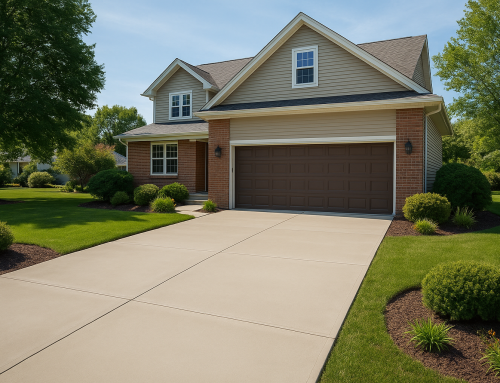
Brick steps that have started to crumble, a stone wall that needs rebuilding, or a new outdoor fireplace can all benefit from skilled masonry work. Masonry experts understand how to work with materials such as brick, stone, concrete block, and mortar. Their knowledge helps projects look polished, perform reliably, and stand up to weather and everyday use.
Whether you are planning a new feature or repairing an older structure, knowing what masonry professionals do—and how to hire one—can help you make informed decisions. Here is what to expect when working with a masonry expert.
What Do Masonry Experts Do?
Masonry experts build, repair, and maintain structures made from individual units bonded together with mortar or other materials. Depending on their training and experience, they may work on residential, commercial, or landscape projects. The job can involve careful measuring, preparing a stable base, selecting compatible materials, and placing each unit accurately.
Common Masonry Services
Services vary, but many masonry contractors handle projects such as:
- Building or repairing brick and stone walls, chimneys, and foundations.
- Installing patios, walkways, steps, retaining walls, and outdoor features.
- Repointing mortar joints, which involves removing deteriorated mortar and replacing it.
- Repairing cracked or loose masonry and addressing water-related damage.
- Installing concrete block structures, veneers, and decorative masonry details.
Some professionals focus on new construction, while others specialize in restoration or a particular material. For historic buildings, for example, the right contractor may need experience matching traditional techniques and mortar to protect the original masonry.
When Should You Hire a Masonry Professional?
Small cosmetic issues can sometimes be monitored, but masonry problems may worsen when water enters cracks or weakened joints. Consider getting a professional assessment if you notice bricks or stones that are loose, mortar that is missing or crumbling, a chimney that appears damaged, or a retaining wall that is leaning or bulging. Cracks that are widening or recurring also deserve attention, particularly if they appear alongside signs of water intrusion.
A masonry expert can help determine whether the issue is limited to the surface or may involve drainage, movement, or another underlying concern. Masonry contractors are not necessarily structural engineers, however. If a wall appears unstable or a problem may affect the structure of a home, ask whether an engineer or another qualified specialist should inspect it before repairs begin.
Hiring a professional is also worthwhile for new installations where appearance, drainage, safety, or long-term durability matters. A correctly built patio or set of steps depends on more than placing attractive stone; the base, slope, joints, and surrounding site all contribute to its performance.
How to Choose the Right Masonry Expert
Start by looking for contractors who regularly complete the type of work you need. A specialist in brick restoration may not be the best fit for a large concrete-block project, and a landscape mason may have different experience from a chimney repair contractor. Ask for examples of similar jobs and, when possible, speak with recent customers.
Check Experience and Project Details
Ask how the contractor approaches preparation, material selection, and cleanup. For repairs, find out how they will identify and address the source of damage, rather than simply covering visible symptoms. If your property has older brick or stone, ask how the proposed materials will work with the existing masonry. Mortar that is too hard or otherwise incompatible can cause damage over time, so restoration work may require particular care.
Review the Estimate and Credentials
Request a written estimate that describes the scope of work, materials, preparation, approximate schedule, cleanup, and payment terms. Compare the details—not just the total price. A very low bid may leave out important work or use materials that are not suited to the project. Ask about licensing requirements in your area, insurance, warranties, and any permits that may be needed. Requirements differ by location and project type, so verify them locally.
Clear communication matters, too. A reliable contractor should be willing to explain the work in plain language, discuss potential complications, and let you know how weather or material availability could affect timing. Be cautious of high-pressure sales tactics or requests for unusually large payments upfront.
What to Expect During a Masonry Project
Most projects begin with an inspection and discussion of your goals. The contractor may measure the area, examine existing masonry, and ask about access or drainage. Once you approve the scope, work may include protecting nearby surfaces, removing damaged material, preparing the base, and installing or repairing the masonry. The sequence depends on the job, and mortar or other materials may need time to cure before the area is ready for use.
Ask what you should do to prepare the site and whether you need to keep people or pets away from the work area. During the project, raise questions promptly if the work appears different from what was agreed. At completion, review the finished area with the contractor, confirm that debris has been removed, and ask for care instructions and warranty information.
Maintaining Masonry After the Work
Routine attention can help you spot problems before they become more extensive. Keep gutters and downspouts clear, direct water away from walls and foundations, and avoid letting sprinklers soak masonry regularly. Check for new cracks, loose units, or deteriorating joints as part of ordinary exterior maintenance. Avoid applying sealants or using harsh cleaning products unless a qualified professional confirms they are appropriate for your materials; some products can trap moisture or damage the surface.
For older or historic masonry, consult a specialist before attempting repairs. Using the wrong mortar, cleaning method, or replacement material can alter the appearance and contribute to further deterioration.
Conclusion
Masonry experts bring material knowledge and hands-on skill to projects ranging from simple repairs to major installations. By choosing a contractor with relevant experience, reviewing a detailed estimate, and following appropriate maintenance advice, you can make a confident plan for masonry work that suits your property.