Concrete masonry can add strength, function, and lasting appeal to a home or commercial property. Whether you are planning a retaining wall, patio, walkway, foundation, or block structure, the quality of the work depends on careful planning and skilled installation. A qualified concrete masonry contractor can help you choose suitable materials, understand the scope, and complete the project safely and professionally.
What Does a Concrete Masonry Contractor Do?
A concrete masonry contractor builds, repairs, and maintains structures made with concrete, concrete blocks, brick, stone, and related materials. The exact services vary by company, so it is important to confirm that a contractor has experience with the type of work you need.
Common Services
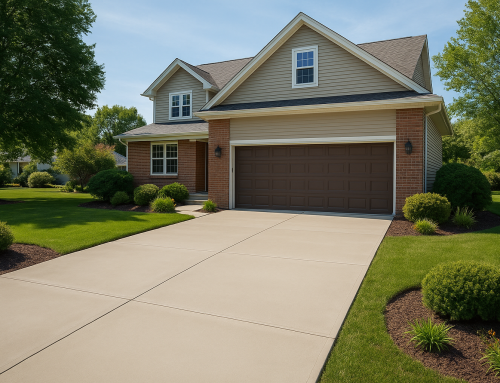
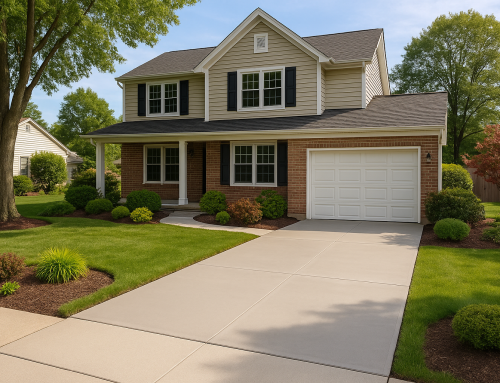
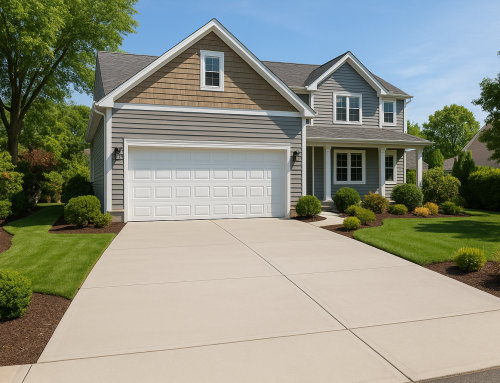
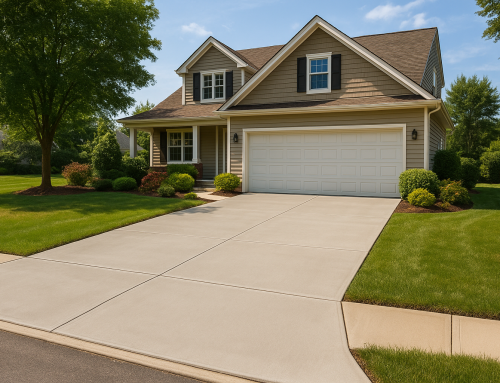
- Concrete work: Patios, sidewalks, driveways, slabs, steps, and other poured surfaces.
- Masonry construction: Concrete block walls, brickwork, stone features, garden walls, and outdoor fireplaces.
- Structural projects: Foundations, retaining walls, and other work that may require engineering or permits.
- Repairs and restoration: Repointing mortar, replacing damaged blocks, patching concrete, and addressing surface deterioration.
Some projects combine several trades or materials. A contractor should explain which parts the company will handle and whether licensed specialists, engineers, or subcontractors are needed.
Why Hire a Professional?
Masonry may look straightforward, but durable results depend on much more than stacking blocks or pouring concrete. The site must be prepared correctly, materials need to suit the conditions, and the work must be installed with proper alignment, support, and drainage. Weather, soil movement, water exposure, and local building requirements can all affect the project.
An experienced contractor can identify potential issues before work begins, such as poor drainage behind a retaining wall or an unstable base beneath a patio. Addressing these concerns early can help prevent premature cracking, leaning, water damage, and costly repairs. A professional can also coordinate inspections and permits when required by local authorities.
How to Choose a Concrete Masonry Contractor
Take time to compare contractors rather than choosing solely on the lowest price. Look for someone who communicates clearly, provides a detailed written proposal, and can demonstrate experience with projects similar to yours.
Check Credentials and Experience
Ask whether the contractor holds the licenses required in your area and carries appropriate liability insurance and workers’ compensation coverage. Request references and, where possible, review completed projects. Photos can give you a sense of workmanship, while references can provide insight into reliability, communication, and how the company handled challenges.
For complex or structural work, ask how the contractor will follow approved plans and coordinate with an engineer or building official. A dependable professional will be transparent about qualifications and project responsibilities.
Request a Detailed Estimate
Get written estimates from more than one qualified contractor. A useful proposal should describe the work, materials, site preparation, cleanup, expected schedule, payment terms, and any exclusions. It should also explain how changes or unexpected conditions will be handled.
Compare the scope, not just the total. One estimate may include excavation, reinforcement, drainage, or disposal, while another may leave those items out. Make sure you understand what is included before signing an agreement.
Ask the Right Questions
Before hiring, ask practical questions such as:
- Have you completed similar concrete masonry projects recently?
- Who will supervise the work and be my main contact?
- Will permits or inspections be needed, and who will arrange them?
- How will you protect nearby landscaping, structures, and utilities?
- What is the expected timeline, and how could weather affect it?
- What workmanship warranty or follow-up support do you provide?
The answers should be clear and consistent with the written proposal. Be cautious if a contractor pressures you to decide immediately, avoids questions, or requests an unusually large payment before work starts.
What Affects Project Cost?
Concrete masonry costs depend on the size and complexity of the job, material choices, site access, and local labor rates. Excavation, demolition, grading, reinforcement, drainage, finishing details, and permit requirements can also influence the final price. Repairs may cost more when hidden damage is discovered after old material is removed.
Ask the contractor to identify likely additional costs and explain how you will approve any change in scope. A clear change-order process helps both sides avoid misunderstandings. The cheapest option is not always the best value if it uses unsuitable materials or skips essential preparation.
Preparing for the Work
Once you have selected a contractor, confirm the start date, access requirements, and where equipment and materials will be placed. Mark or discuss underground utilities before excavation begins, and move outdoor furniture or other items from the work area. If you share a driveway, pathway, or property boundary with neighbors, give them advance notice when appropriate.
During construction, keep children and pets away from active work zones. Concrete and masonry materials require careful handling, and fresh concrete needs time to set and cure. Follow the contractor’s guidance on when a new surface can be walked on, driven on, or exposed to heavy use.
Conclusion
A skilled concrete masonry contractor can turn a project plan into a strong, attractive, and dependable result. Check qualifications, compare detailed proposals, ask about relevant experience, and make sure expectations are documented before work begins. With thoughtful selection and good communication, you can invest confidently in masonry work built to serve your property for years.