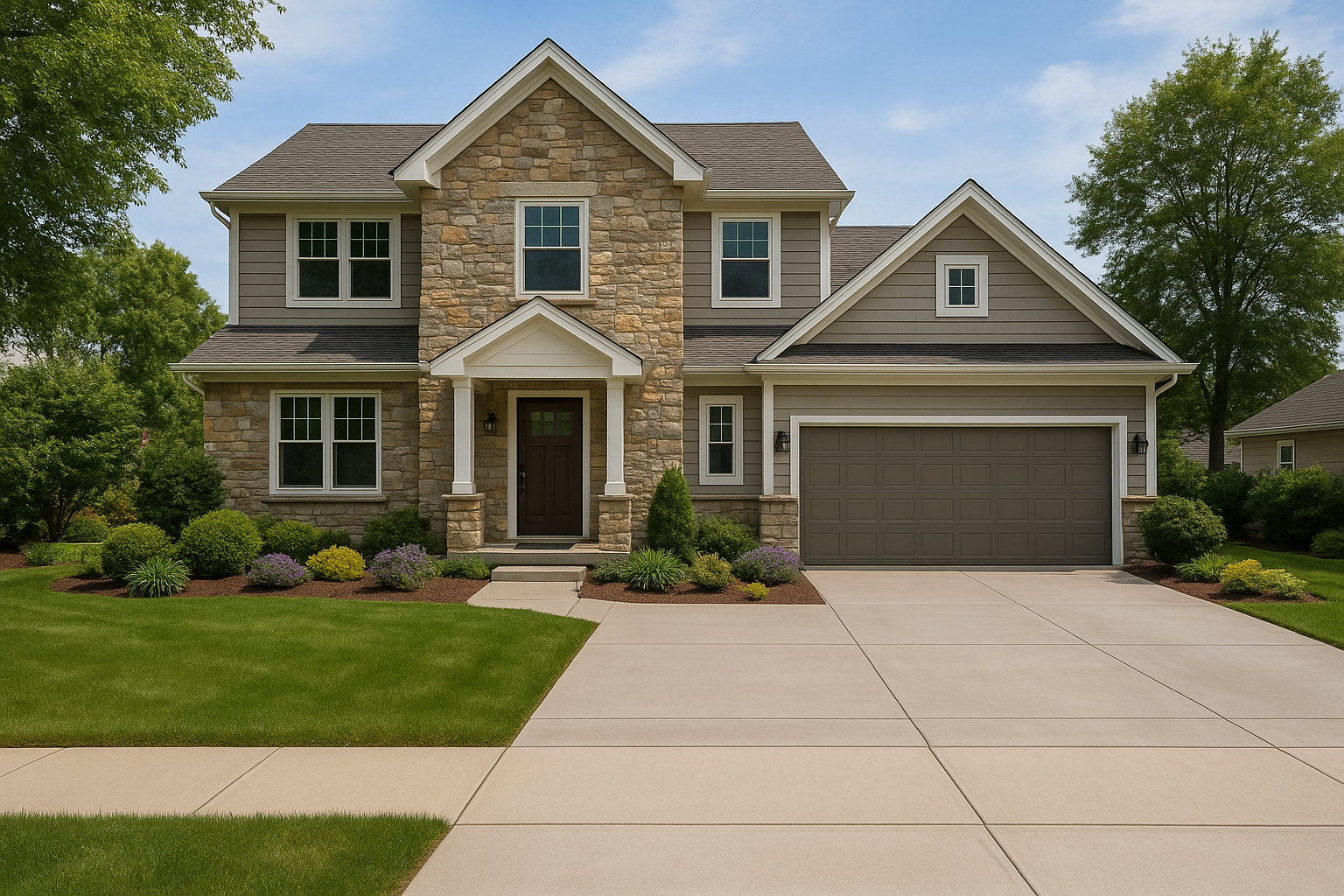
Finding the perfect stone is less about choosing the most expensive or eye-catching option and more about matching a material to the way you plan to use it. A stone that looks beautiful on a kitchen counter may not be the best fit for a wet patio, while a rugged landscaping stone may feel out of place in a formal bathroom. By considering appearance, performance, maintenance, and budget together, you can choose a stone that works well and looks right for years.
What Makes a Stone Perfect?
There is no single stone that is perfect for every project. The best choice depends on where the stone will go, how much wear it will receive, and the look you want to create. Natural stone forms with variations in color, veining, texture, and pattern. Those differences are part of its appeal, but they also mean that samples and full slabs can look noticeably different.
A practical selection balances several qualities: durability, resistance to moisture and stains, surface texture, appearance, care requirements, and cost. Thinking through these factors early can prevent surprises during installation and everyday use.
Popular Types of Stone and Where They Work
Granite
Granite is a hard, durable stone often used for kitchen countertops, flooring, and outdoor surfaces. It comes in a wide range of colors and patterns, from subtle speckles to bold mineral contrasts. Many granite surfaces need periodic sealing, so ask the supplier what finish and maintenance schedule are recommended for the specific slab.
Marble
Marble is valued for its elegant veining and soft, distinctive appearance. It is a popular choice for bathroom vanities, fireplace surrounds, and decorative details. Marble is more vulnerable than many other stones to scratches, staining, and etching from acidic substances such as lemon juice. It can be a rewarding choice when you appreciate natural patina and are comfortable with careful upkeep.
Quartzite
Natural quartzite offers expressive patterns and a bright, often marble-like appearance, with strong resistance to everyday wear. It is commonly considered for countertops and feature surfaces. Because stone names can be used inconsistently in the marketplace, confirm the material’s identity and care requirements with a reputable supplier before buying.
Limestone and slate
Limestone brings a warm, understated look to floors, walls, fireplaces, and outdoor areas. Its porosity and softness make the right finish and sealing especially important. Slate has a layered appearance and naturally textured surface, making it useful for flooring, wall cladding, and some exterior applications. Check that the chosen variety is suitable for the climate and intended location.
How to Choose the Right Stone
Start with the location
Consider whether the stone will be indoors or outside, dry or frequently wet, and exposed to heat, sunlight, food, or heavy foot traffic. A kitchen countertop has different demands from a bedroom accent wall. For patios and entryways, ask about slip resistance and performance in local freeze-thaw conditions. In showers and other wet areas, choose an appropriate finish and follow installation guidance for water management.
Match durability to daily use
Think about how the surface will be treated in real life. Busy kitchens may benefit from a more forgiving, hard-wearing material, while a low-traffic decorative feature allows greater freedom to prioritize appearance. Ask how easily the stone can scratch, chip, stain, or etch—and which household products should be kept away from it.
Look beyond a small sample
A small sample is helpful for checking color and texture, but natural patterns can vary across a large slab. Whenever possible, view the actual pieces being considered. For heavily veined stone, plan where the strongest patterns will appear and discuss seams, cuts, and edge details with the fabricator. Also check the finish: polished surfaces reflect light, while honed, brushed, or textured finishes create a softer or more tactile effect.
Set a complete budget
The purchase price is only one part of the cost. Include fabrication, edge treatments, delivery, installation, sealing, and any special structural support. A stone that costs more per square foot might still be a better overall value if it suits the space and needs less intensive care. Get a written estimate that clearly explains what is included.
Care and Maintenance Basics
Stone care depends on the material and finish. For routine cleaning, use a soft cloth or mop and a cleaner recommended for that stone. Avoid assuming that a product labeled natural or multipurpose is safe for every surface; acidic or abrasive cleaners can damage some stones. Wipe spills promptly, especially on more porous materials, and use cutting boards, trivets, and protective pads where appropriate.
Sealing can reduce the chance of staining, but it does not make stone completely stain-proof or maintenance-free. Ask the supplier whether the stone should be sealed, which product to use, and how often to reassess it. Keep care instructions after installation so everyone in the household knows how to protect the surface.
Questions to Ask Before You Buy
- Is this stone suitable for my specific application and local climate?
- How much do color and pattern vary between samples and slabs?
- What finish, sealant, and cleaning products are recommended?
- What are the full fabrication and installation costs?
- Can I inspect and approve the actual slabs before fabrication?
Conclusion
The perfect stone is the one that fits your space, lifestyle, and budget—not simply the one that catches your eye in a showroom. Compare materials carefully, inspect the actual stone, and get clear advice about installation and care. With a little planning, you can enjoy a surface that feels right today and continues to serve your home beautifully.