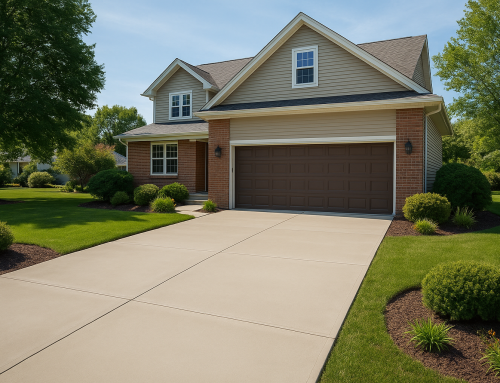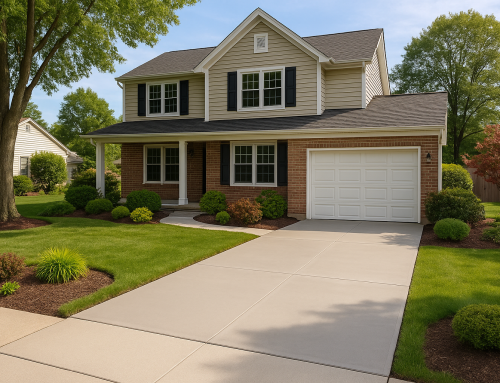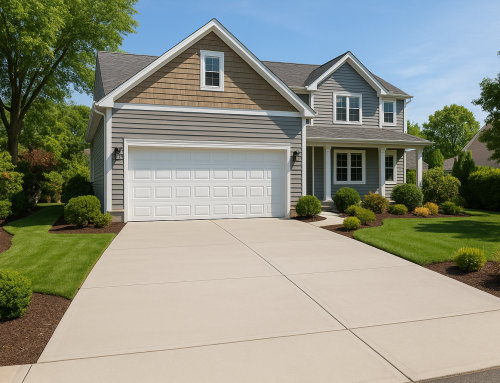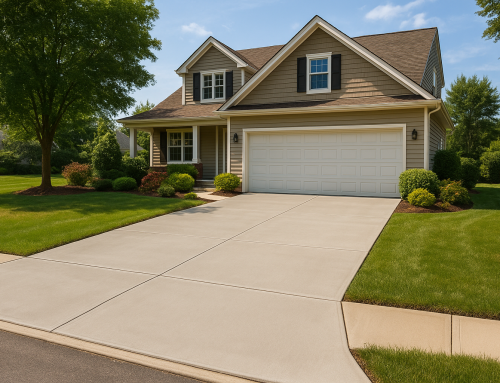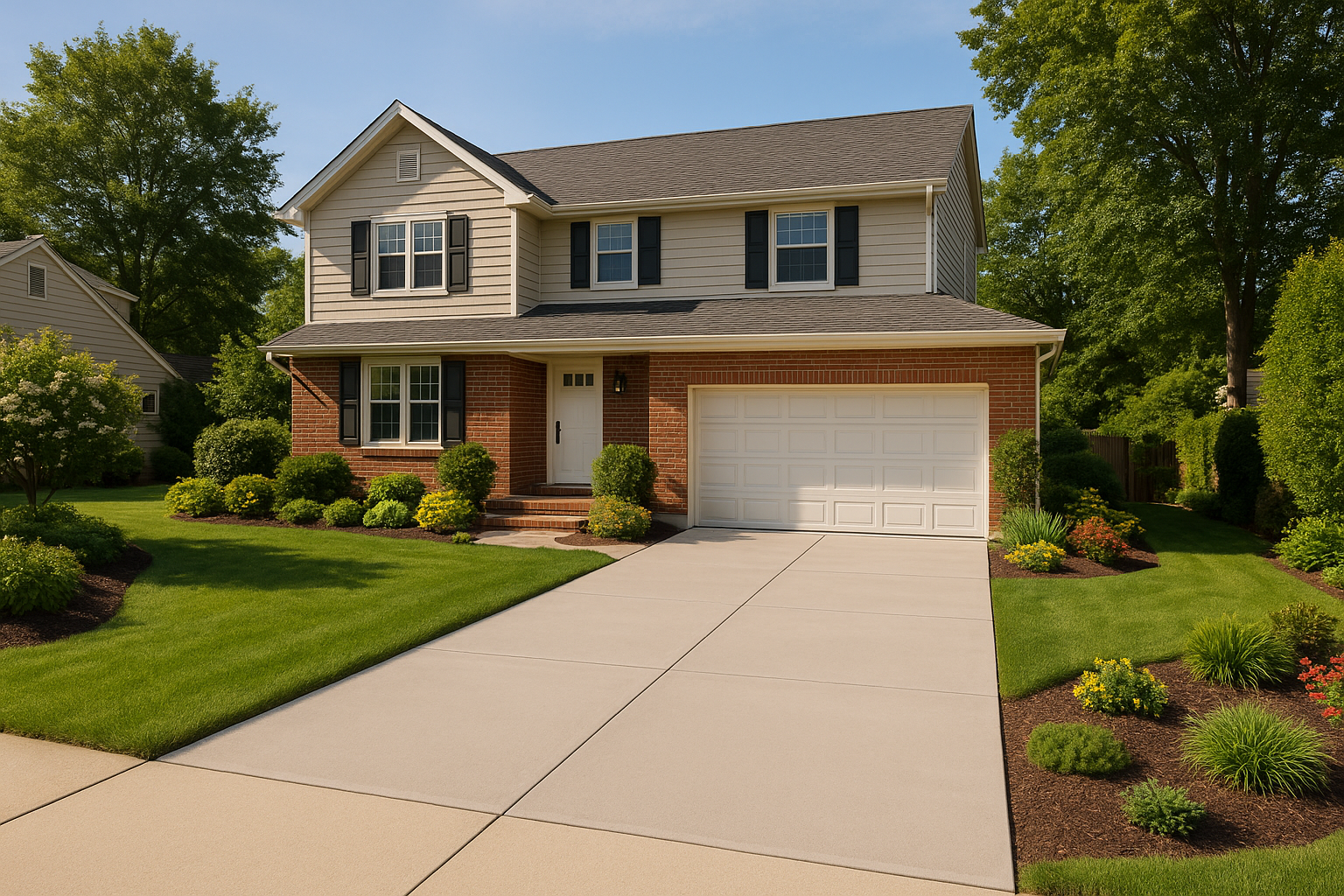
Well-designed pavers can turn a Long Island driveway, patio, or walkway into a more welcoming and useful part of your home. They offer a broad choice of colors, patterns, and materials, and individual units can often be repaired without replacing an entire surface. But a lasting result depends on more than appearance: local weather, soil conditions, drainage, and careful installation all matter.
Whether you are planning a new outdoor space or replacing an older surface, this guide explains what to consider when choosing pavers on Long Island.
Why Choose Pavers for a Long Island Property?
Long Island experiences hot summers, cold winters, rain, and freeze-thaw cycles. Those changes can put stress on outdoor surfaces. Properly installed pavers are designed to move slightly as the ground shifts, which can make them easier to maintain than a continuous concrete slab. If a paver becomes stained or damaged, it may be possible to replace that unit rather than redo the whole area.
Pavers also make it easier to create a look that suits your home. Options range from clean, contemporary layouts to traditional patterns that complement older houses. A well-planned surface can define outdoor dining areas, improve access around the property, and create a more polished entrance.
Popular Paver Materials
Concrete pavers
Concrete pavers are a versatile choice for patios, walkways, pool decks, and driveways. They come in many shapes, textures, and colors, making it easy to create a simple layout or a more decorative pattern. Compare samples outdoors if possible, since sunlight and the color of your house can affect how a finish looks.
Natural stone
Natural stone, including bluestone and other regional favorites, offers variation in color and texture that manufactured products may not reproduce. It can be a strong fit for a classic landscape or a distinctive patio. Stone types differ in surface feel, consistency, and care needs, so ask your installer how a particular option performs in wet and freezing conditions.
Brick pavers
Brick pavers bring a traditional appearance and can work especially well around historic or colonial-style homes. Their color and texture create a warm, established look. As with any material, the right product and installation method depend on where the pavers will be used and how much traffic the surface needs to handle.
Choosing a Design That Fits Your Home
Start with the purpose of the project. A driveway must support vehicle weight, while a garden path has different structural needs. For a patio, consider how many people will use it, where furniture will sit, and whether you need room for a grill or outdoor kitchen. For pool areas, prioritize traction, drainage, and comfort underfoot.
Next, think about scale and color. Larger pavers can make a small area feel less busy, while borders or contrasting bands can bring definition to a broad driveway. A running-bond layout feels orderly; a herringbone pattern can add movement and may be suitable for areas that carry vehicles when properly installed. Ask for a layout plan before work begins so you can review the pattern, edges, and transitions.
Installation: The Foundation of a Long-Lasting Surface
Even high-quality pavers can shift or settle if the base is poorly prepared. A professional installation typically starts with excavation to the depth required for the project. The crew then prepares and compacts a suitable base, establishes the finished grade, and lays a bedding layer before setting the pavers. Edge restraints help keep the pattern from spreading, while joint material helps lock the units in place.
Drainage deserves particular attention on Long Island properties, where heavy rain and local site conditions can affect runoff. The finished surface should direct water away from the house and avoid creating low spots. A contractor should assess the slope, soil, nearby structures, and existing drainage before recommending a solution. If the project could affect stormwater flow or property boundaries, check local requirements before construction.
How to Choose a Paver Contractor on Long Island
Look for a contractor with experience on projects similar to yours, whether that means a driveway, patio, walkway, or pool surround. Ask for references and photos of completed work, and confirm who will handle excavation, base preparation, and cleanup. A detailed written proposal should explain the scope, materials, preparation, drainage plan, edges, and any exclusions—not just list a price.
It is also wise to ask about scheduling, site access, warranties, and how the contractor protects landscaping and nearby structures. Compare proposals on the work included rather than choosing solely by the lowest number. Clear communication before the job helps avoid misunderstandings once materials arrive and construction starts.
Maintenance and Repair
Routine care is generally straightforward. Sweep away leaves and debris, rinse the surface as needed, and address stains using a cleaner appropriate for the paver material. Keep an eye on joints, edges, and areas where water collects. Depending on the joint product and site conditions, periodic replenishment may be needed.
If a section settles or a utility repair disturbs the surface, individual pavers can often be lifted, the base corrected, and the units reset. Save a few extra pavers from the original installation when possible; they can make future repairs easier and help maintain a consistent appearance.
Conclusion
Pavers can add function and character to a Long Island property when the materials, design, and installation are suited to the site. Plan for drainage and a well-prepared base, then choose an experienced contractor who explains the details. With thoughtful choices and regular care, a paver surface can be a welcoming part of your home for years.