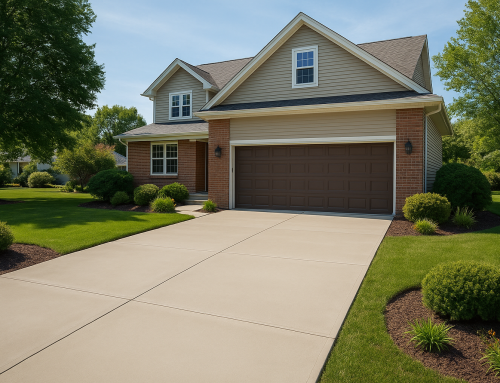
Concrete is one of the most widely used building materials in the world—and for good reason. It can support heavy loads, withstand everyday wear, and take on many shapes and finishes. Whether you are planning a driveway, patio, foundation, or walkway, understanding the basics helps you make informed choices and get a longer-lasting result. This guide explains how concrete works, what to consider before a project, and how to care for the finished surface.
What Is Concrete?
Concrete is a composite material made by combining cement, water, and aggregates such as sand and gravel or crushed stone. Cement is the binder: when it reacts with water, it forms a paste that coats the aggregates and gradually hardens. The proportions and quality of these ingredients affect the concrete’s strength, workability, appearance, and durability.
Concrete and cement are often used as if they mean the same thing, but they are different. Cement is one ingredient in concrete, much as flour is an ingredient in bread. Concrete may also include admixtures—materials added in small quantities to adjust setting time, flow, or performance in particular conditions.
Common Uses for Concrete
Concrete suits projects both large and small. Its versatility comes from being workable while fresh and strong once cured. Common residential uses include:
- Foundations and footings: These transfer the weight of a structure into the ground.
- Driveways and paths: Properly designed slabs provide a hard-wearing surface for vehicles and foot traffic.
- Patios and steps: Concrete can be finished in a simple, textured, colored, or decorative style.
- Floors and retaining structures: It can support demanding indoor use and help manage changes in elevation outdoors.
The right design depends on the intended use, soil conditions, drainage, climate, and local building requirements. A surface designed for a garden path, for example, may not be suitable for regular vehicle traffic.
Choosing the Right Concrete for Your Project
There is no single mix that is ideal for every job. Before ordering concrete, consider the loads the finished structure will carry, how it will be exposed to weather, and how it will be placed and finished. A contractor or concrete supplier can help select a suitable mix and identify any project-specific requirements.
Strength and reinforcement
Concrete strength is commonly specified according to its ability to resist compression. The required strength depends on the project and applicable codes, so it should not be guessed. Reinforcing materials, including steel bars or mesh, may help manage tensile stresses and control cracking when they are correctly designed and positioned. Reinforcement does not eliminate all cracks.
Finish and appearance
A basic troweled or broom finish is practical for many slabs, with a broom texture providing extra grip underfoot. Other options include exposed aggregate, stamped patterns, and integral color. Decorative finishes can change the look and maintenance needs of a surface, so review samples and discuss sealing before making a decision.
How a Concrete Project Comes Together
A durable result starts well before the concrete truck arrives. The work area generally needs to be measured, excavated, and prepared with a stable, well-compacted base. Forms define the slab’s shape and edges, while planned slopes and drainage help direct water away from buildings. Any required reinforcement should be installed in the specified position.
Once delivered, concrete is placed, spread, and finished within a limited working period. Timing matters: the material must be workable enough to place and finish, but adding water without approval can reduce its quality. Weather also matters. Heat, wind, cold, and rain can all affect placement and curing, so the crew may need to adjust its methods or schedule.
After finishing, concrete needs time to cure. Curing supports the chemical reaction that allows it to gain strength and helps prevent moisture from escaping too quickly. Methods may include keeping the surface damp or using a curing compound. Follow the project team’s guidance on foot traffic, vehicles, and any later sealing; concrete can appear hard before it has reached its intended performance.
Preventing and Managing Cracks
Concrete naturally shrinks as it dries and changes size as temperatures shift. Some cracking is therefore common. Control joints create planned locations where shrinkage cracks are more likely to occur, helping keep them orderly and less noticeable. Their spacing, depth, and timing should suit the slab design.
Good site preparation, a suitable mix, correct placement, and proper curing all contribute to crack control. Drainage is important too: standing water and repeated freeze-thaw cycles can damage surfaces. If a crack grows, becomes uneven, or allows water into a structural area, ask a qualified professional to assess it rather than assuming a cosmetic patch will solve the cause.
Concrete Care and Sustainability
Routine care is straightforward. Sweep away grit, clean spills before they stain, and avoid harsh deicers when the surface is exposed to freezing conditions. A compatible sealer may help protect some finishes from moisture and staining, but it needs periodic inspection and reapplication according to the product instructions.
Concrete also has environmental impacts, especially because cement production releases greenhouse gases. For suitable projects, ask about mixes that use supplementary cementitious materials, efficient ordering that limits waste, or locally available aggregates. Good design and installation matter as well: a durable surface that lasts longer may avoid early replacement and additional material use.
Conclusion
Concrete can deliver strength, versatility, and lasting value when the mix, site preparation, placement, and curing are matched to the project. Plan for how the surface will be used, pay attention to drainage and finish, and follow professional guidance on installation and care. A little preparation can make a substantial difference to the performance of your finished concrete.