Finding the best concrete company is about more than comparing prices. The right contractor can help you plan a durable driveway, patio, foundation, walkway, or other concrete feature—and complete the work with clear communication and careful attention to detail. Because concrete work is difficult and expensive to redo, it pays to evaluate your options before signing a contract.
Use the following guide to compare contractors, ask useful questions, and choose a company that fits your project, budget, and expectations.
What Makes a Concrete Company the Best Choice?
There is no single company that is best for every job. A contractor who specializes in decorative patios may not be the right fit for a structural foundation. Look for a company with relevant experience, a solid reputation, appropriate credentials, and a process you understand.
Experience with Your Type of Project
Concrete projects vary in their preparation, materials, reinforcement, finishing, and drainage requirements. Ask whether the company regularly handles work like yours. For example, a driveway contractor should be able to discuss base preparation, thickness, reinforcement, drainage, and how the surface will be finished. A decorative concrete specialist should be prepared to explain color, texture, sealing, and maintenance.
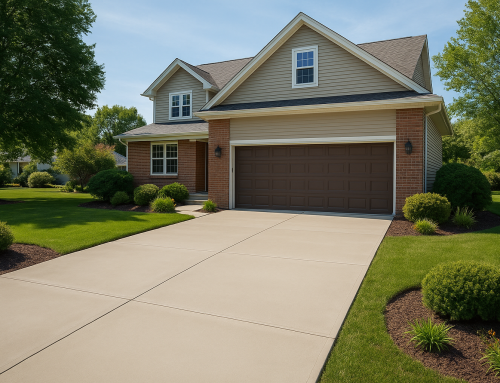
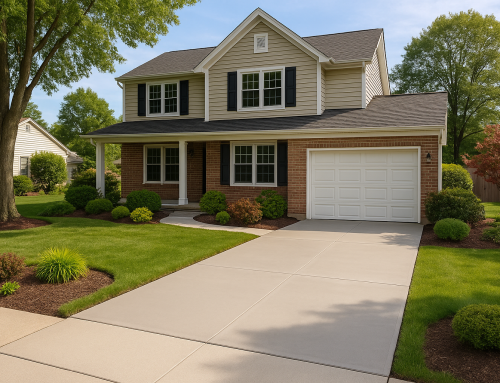
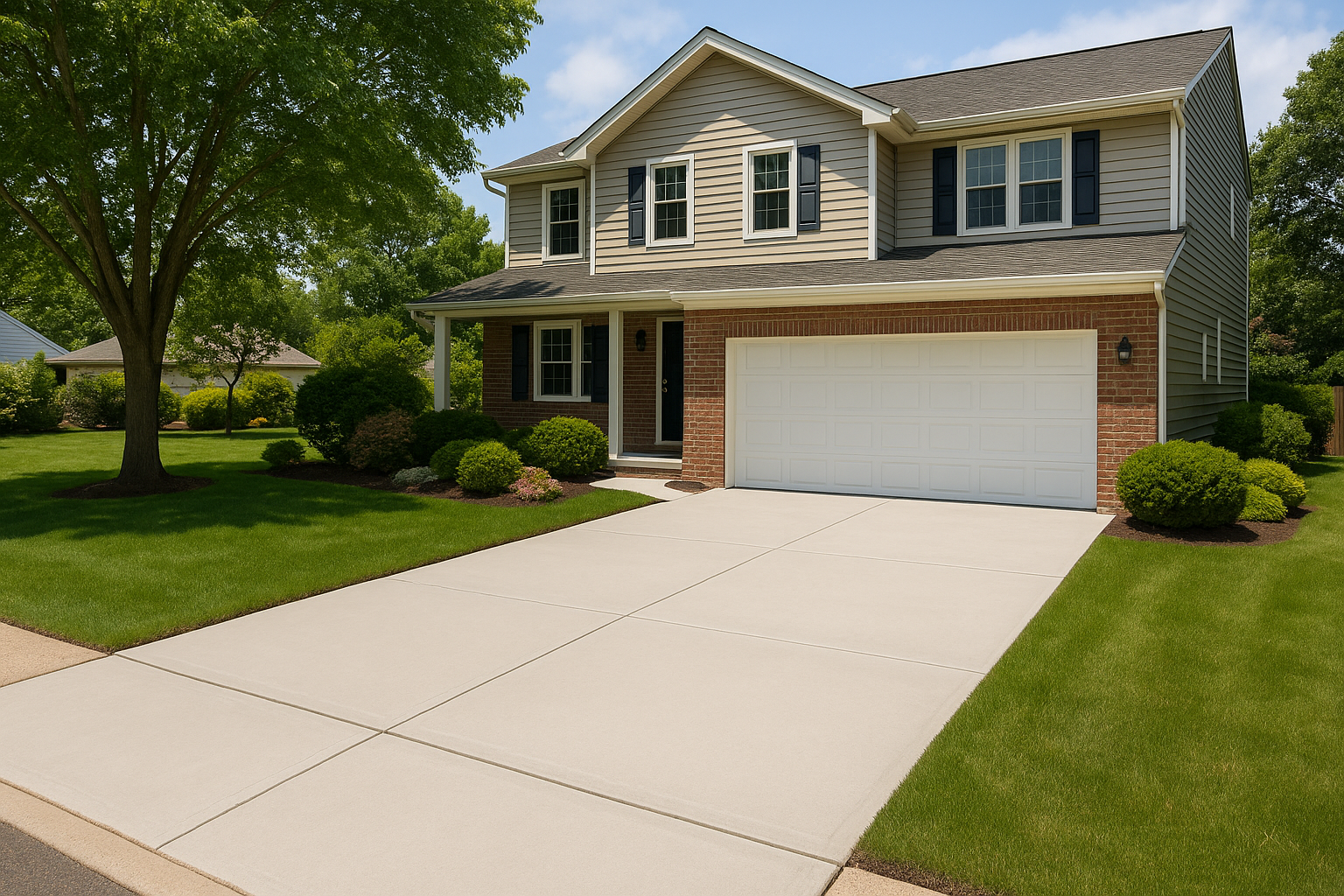
Ask to see photos of completed projects that are similar in size and scope. If possible, request references from recent customers. A portfolio can demonstrate a contractor’s range, while customer feedback may offer insight into reliability, cleanliness, communication, and how the company responds when problems arise.
Licensing, Insurance, and Qualifications
Requirements differ by location and project type, so check what credentials apply in your area. Confirm that the contractor holds any required licenses and carries appropriate liability insurance. If workers’ compensation coverage is required, verify that as well. These steps can help protect you from avoidable financial and legal problems.
Ask for documentation rather than relying on a verbal assurance. You can also check with relevant local or state agencies to confirm whether a license is current and whether any complaints or disciplinary actions are recorded.
How to Compare Concrete Contractors
Gather written estimates from several qualified companies. Comparing more than one proposal can help you understand typical pricing and identify differences in the proposed work. The lowest quote is not automatically the best value, especially if it leaves out important preparation or cleanup.
Review the Estimate Line by Line
A useful estimate should describe the scope of work, materials, project dimensions, preparation, reinforcement where applicable, finishing, cleanup, payment schedule, and expected timeline. It should also explain what is excluded. For instance, removal of old concrete, permits, soil correction, or landscaping repairs may be billed separately.
Ask contractors to clarify vague terms before you decide. If one estimate is much lower than the others, find out why. The difference could reflect a legitimate variation in materials or project scope, but it could also signal missing work, unrealistic scheduling, or costs that may appear later.
Assess Communication and Professionalism
Pay attention to how promptly and clearly a company responds during the estimate process. Do they listen to your priorities, inspect the site carefully, and explain their recommendations in plain language? A contractor should be willing to discuss options and trade-offs without pressuring you into an immediate decision.
Good communication matters throughout the job. Confirm who your main contact will be, how schedule updates will be shared, and how changes or unexpected conditions will be handled. Weather, site conditions, and material availability can affect timing, so look for realistic explanations rather than guarantees that seem too good to be true.
Questions to Ask Before Hiring
Before choosing a concrete company, ask a few direct questions and compare the answers. Consider asking:
- How much experience do you have with this specific type of project?
- Who will supervise the work, and who will perform it?
- What preparation and materials are included in the estimate?
- How will you manage drainage, access, and protection of nearby areas?
- What is the estimated start date and project duration?
- How do you handle changes, delays, or unexpected site conditions?
- What warranty, if any, is provided, and what does it cover?
- What care will the concrete need after installation?
Clear, consistent answers help you judge whether the contractor understands the work and is prepared to take responsibility for the process. Get important promises in writing, including the scope, payment terms, schedule expectations, and warranty details.
Watch for Common Warning Signs
Be cautious if a contractor refuses to provide a written estimate, requests full payment upfront, avoids questions about insurance, or pressures you to sign immediately. Other concerns include an unusually low bid with little detail, no verifiable references, or reluctance to explain how the site will be prepared.
Online reviews can be useful, but consider the overall pattern rather than relying on a single comment. Look for specific feedback about completed projects, communication, and how concerns were resolved. If something feels unclear, pause and request clarification before paying a deposit.
Choose for Value, Not Price Alone
A well-planned concrete installation starts beneath the visible surface. Site preparation, a suitable base, proper grading, quality materials, and careful finishing all contribute to performance. A dependable contractor should explain how these factors apply to your project and make the cost of the proposed approach understandable.
Once you have compared experience, credentials, references, communication, and written estimates, choose the company that offers the strongest combination of quality and confidence. The best concrete company for your project is one that understands your goals, documents its commitments, and has the skills to deliver durable work.
Conclusion
Take time to research contractors, compare detailed proposals, and verify credentials before making a decision. A little care upfront can help you avoid surprises and feel more confident in the finished result. Choose a qualified company that communicates clearly and has proven experience with the concrete work you need.