Concrete is one of the world’s most widely used building materials, found in everything from sidewalks and driveways to bridges and high-rise buildings. It is valued for its strength, versatility, and ability to be shaped before it hardens. Understanding how concrete is made, what types are available, and how to care for it can help you make better choices for a home or construction project.
What Is Concrete?
Concrete is a composite material made by combining cement, water, and aggregates. Aggregates are usually sand and gravel or crushed stone. Cement acts as a binder: when mixed with water, it reacts through a process called hydration, forming a hard material that holds the aggregates together.
Concrete is not the same as cement. Cement is an ingredient in concrete, much like flour is an ingredient in bread. The proportions and properties of the mix can be adjusted to suit different conditions, strengths, finishes, and construction methods. Admixtures—materials added in small amounts—can also change how quickly concrete sets or how it performs in particular environments.
Common Types of Concrete
There is no single mix that suits every project. The right type depends on the structure, expected loads, exposure to weather, finish, and construction schedule.
Plain Concrete
Plain, or unreinforced, concrete contains no steel reinforcement. It is commonly used for walkways, patios, floors, and other applications where the design can accommodate its limited ability to resist tension. Concrete is strong under compression but more vulnerable to pulling or bending forces.
Reinforced and Prestressed Concrete
Reinforced concrete includes steel bars, mesh, or fibers to help resist tensile forces and control cracking. It is used in foundations, slabs, columns, and many structural elements. Prestressed concrete uses tensioned steel tendons to introduce compression into the concrete. This approach can allow longer spans or thinner structural elements and is common in bridges and large buildings.
Ready-Mix and Precast Concrete
Ready-mix concrete is batched at a plant and delivered to a job site, often in a rotating truck. It offers consistent production and is practical for projects requiring a substantial volume. Precast concrete is poured and cured in a controlled facility, then transported to the site for installation. Precast panels, steps, pipes, and structural components can speed up on-site work.
Decorative and Specialty Concrete
Decorative concrete may be colored, stamped, polished, exposed to reveal its aggregate, or finished with a textured surface. Specialty mixes include lightweight concrete, high-strength concrete, fiber-reinforced concrete, and mixes designed for faster setting or improved resistance to certain environmental conditions. Each option has specific design and installation requirements.
Where Concrete Is Used
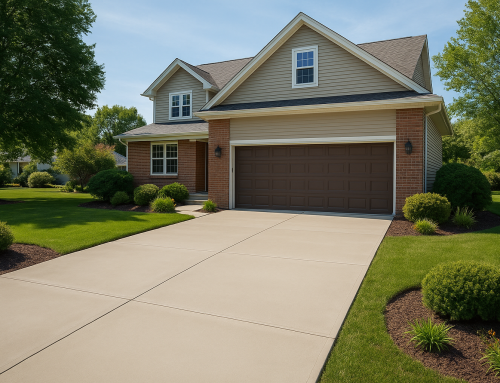
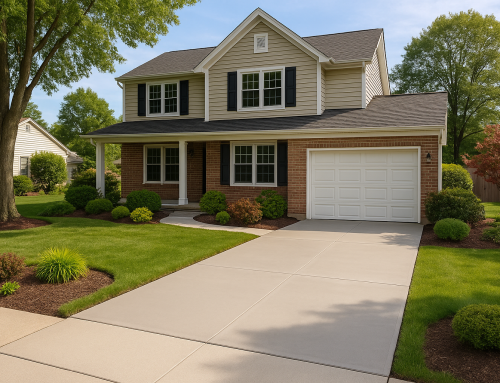
Concrete serves both structural and decorative purposes. In residential construction, it is used for foundations, basement walls, garage floors, driveways, patios, and retaining walls. Commercial and civil projects use it for parking structures, roads, tunnels, dams, bridges, drainage systems, and building frames.
Its ability to be poured into forms makes it useful for custom shapes and large continuous surfaces. It also performs well in many wet or high-traffic settings. However, the concrete mix, reinforcement, joints, drainage, and finishing details should all be selected for the specific use. A driveway, for example, faces different demands than an indoor floor or a structural beam.
How Concrete Is Placed and Cured
A successful concrete installation begins before the truck arrives. The ground is prepared and compacted, forms are set, and reinforcement is placed where the design calls for it. Concrete is then poured, spread, and consolidated to reduce voids. Workers level the surface and apply the required finish while the material is still workable.
Curing is the period when concrete retains suitable moisture and temperature as it gains strength. It is not simply a matter of waiting for the surface to feel dry. Depending on the project and conditions, curing may involve covering the concrete, applying a curing compound, or keeping it damp. Poor curing, early loading, extreme temperatures, or excess water in the mix can reduce performance and increase the risk of surface defects. Follow the project specifications and advice of a qualified contractor.
Benefits and Limitations
Concrete offers several practical advantages. It can be formed into many shapes, has high compressive strength, and is generally durable when properly designed and installed. It is also noncombustible and can provide useful thermal mass, helping moderate temperature changes in some buildings. Its long service life can make it a cost-effective choice over time.
Concrete also has limitations. It is heavy, can take time to cure, and may crack as it shrinks or responds to movement and temperature changes. Control joints help guide where some cracks occur, but they do not make concrete entirely crack-proof. Repairs can be visible, and replacing or removing concrete can require considerable labor. Cement production also contributes significantly to greenhouse gas emissions, so some projects consider lower-carbon mixes, supplementary cementitious materials, or efficient design where suitable.
Basic Concrete Care
Routine care can help concrete surfaces last longer. Keep drains clear, direct water away from slabs and foundations, and clean spills before they leave stains. In climates with freezing weather, avoid de-icing products that are not recommended for the surface, especially on newer concrete. A compatible sealer may help limit water or stain absorption, but it must be applied to properly prepared concrete and renewed as needed.
Watch for changes such as widening cracks, uneven slabs, or water entering a basement. Small surface cracks are common, but movement or persistent moisture can signal a larger issue. If a crack affects a structural element or continues to grow, seek an assessment from a qualified professional rather than relying on a surface patch alone.
Choosing Concrete for a Project
Start by identifying how the concrete will be used and what loads and weather it must handle. Ask a contractor or engineer about the appropriate mix, reinforcement, thickness, joints, drainage, finish, and curing plan. Compare bids based on the full scope of work, not just the price per unit. Clear specifications and good site preparation are essential to getting the performance you expect.
Conclusion
Concrete is a versatile material with many forms and applications, but lasting results depend on selecting the right mix and installing it correctly. Understanding its strengths, limitations, and care requirements makes it easier to plan a durable concrete project.