What Is Commercial Masonry?
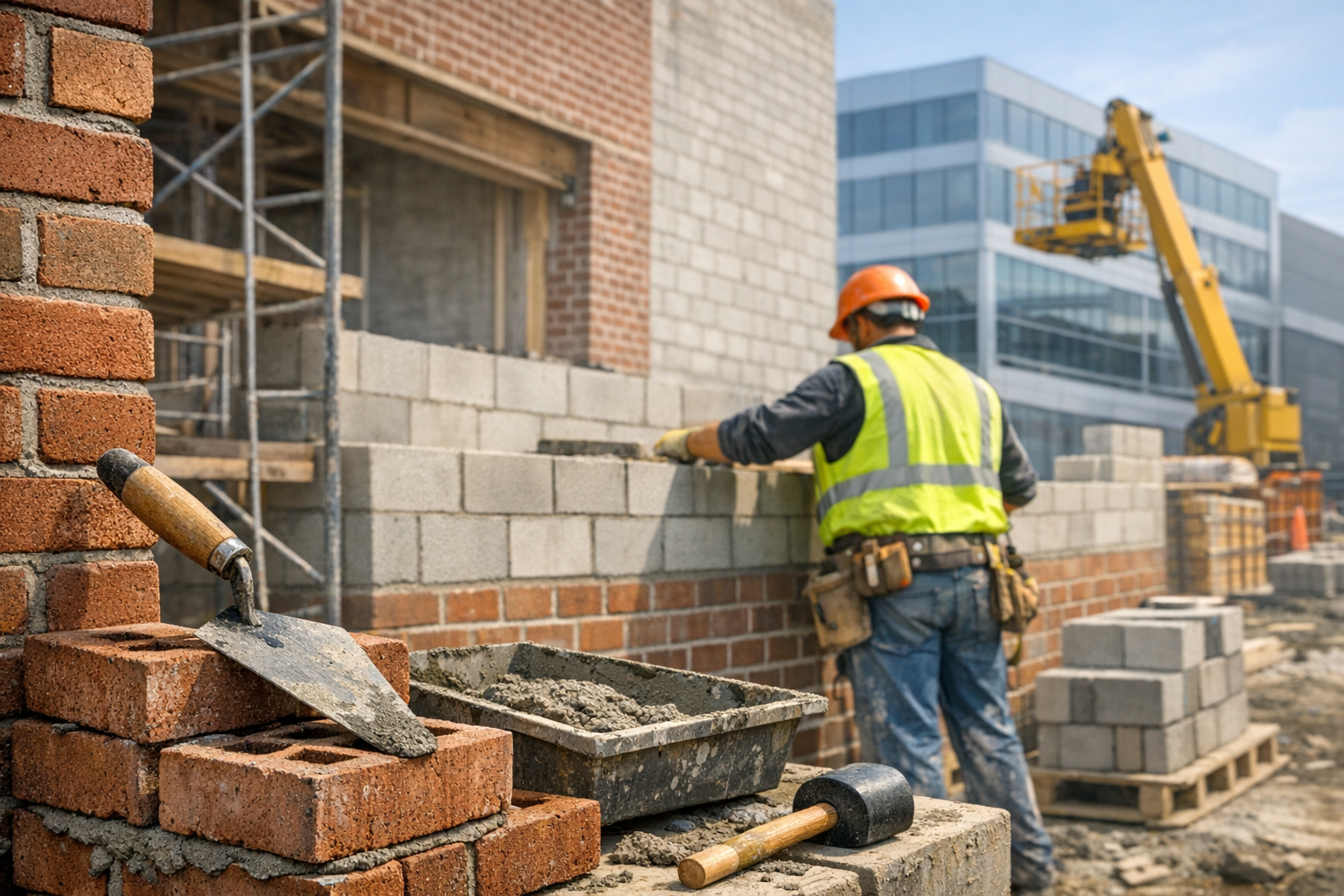
Commercial masonry refers to the construction, repair, and restoration of structures using brick, block, stone, and other masonry materials in business and public settings. Unlike residential work, commercial masonry often involves larger-scale projects, stricter building codes, heavier structural demands, and tighter timelines. It plays a major role in everything from office buildings and schools to warehouses, retail centers, restaurants, and apartment complexes.
At its core, commercial masonry combines durability, function, and visual appeal. It can be used for load-bearing walls, exterior facades, retaining walls, partitions, and decorative features. Because masonry materials are strong, fire-resistant, and low maintenance, they remain a popular choice for property owners and developers who want long-lasting performance.
Why Commercial Masonry Matters
Commercial masonry is more than just an attractive exterior. It contributes to a building’s structural integrity, energy efficiency, safety, and overall value. Well-built masonry can withstand harsh weather, temperature swings, moisture, and daily wear better than many other construction materials.
In commercial settings, appearance also matters. A clean brick façade, polished stone entrance, or well-designed block wall can improve curb appeal and create a strong first impression for customers, tenants, and clients. For many businesses, masonry helps project professionalism, stability, and quality.
Common Commercial Masonry Materials
Brick
Brick is one of the most recognizable commercial masonry materials. It offers a classic look, strong durability, and excellent fire resistance. Brick is often used on building exteriors, accent walls, and structural walls where both appearance and strength are important.
Concrete Block
Concrete masonry units, often called CMUs or concrete blocks, are widely used in commercial construction because they are cost-effective, versatile, and strong. They are ideal for load-bearing walls, foundations, utility structures, and interior partitions.
Natural Stone
Natural stone provides a high-end, timeless appearance. It is frequently used on building fronts, entryways, columns, and feature walls. While it can be more expensive than brick or block, it adds a premium look and long-term durability.
Manufactured Stone and Veneer Systems
Manufactured stone and veneer products offer the appearance of natural stone with less weight and often lower installation costs. These systems are commonly used in commercial design when aesthetics matter but budget and structural limitations must also be considered.
Key Benefits of Commercial Masonry
Durability and Longevity
Masonry is known for lasting decades when properly installed and maintained. It resists damage from wind, fire, pests, and impact better than many alternative materials.
Low Maintenance
Compared with siding, wood, or some metal systems, masonry typically requires less ongoing maintenance. Routine inspections, occasional cleaning, and timely repairs can help preserve the structure for years.
Fire Resistance
Brick, stone, and concrete block are naturally fire-resistant, making them valuable choices for commercial buildings where safety is a priority. This can be especially important in high-traffic facilities and properties with strict code requirements.
Energy Efficiency
Masonry walls can help regulate indoor temperatures by adding thermal mass, which may reduce heating and cooling demands. When paired with proper insulation and modern construction techniques, masonry can support better energy performance.
Design Flexibility
Commercial masonry is available in many colors, textures, shapes, and finishes. That flexibility allows architects and builders to create modern, traditional, industrial, or custom looks that align with a brand or project vision.
Common Commercial Masonry Applications
Commercial masonry is used in a wide range of projects. It is common in office buildings, retail stores, restaurants, schools, churches, hospitals, multifamily housing, and industrial facilities. It can serve structural purposes, provide decorative accents, or create secure and attractive boundary walls.
Some projects rely on masonry for the entire exterior envelope, while others use it selectively for storefronts, entry features, signage bases, columns, and interior design elements. In renovations, masonry can also be used to restore aging facades and match existing architecture.
What to Expect During a Commercial Masonry Project
Planning and Design
Every successful project begins with careful planning. This includes evaluating the building’s purpose, structural requirements, budget, timeline, and design goals. Material selection should balance aesthetics, performance, and long-term maintenance needs.
Site Preparation
Before installation begins, the site must be properly prepared. This may include excavation, foundation work, layout marking, and ensuring that drainage and support systems are in place. Good preparation is essential for a stable, lasting result.
Installation
During installation, masons lay brick, block, stone, or veneer according to project specifications. Precision matters, especially in commercial construction where structural alignment, moisture control, and code compliance are critical. Experienced crews also coordinate with other trades to keep the project moving efficiently.
Inspection and Finishing
Once the masonry work is complete, inspections help confirm quality, safety, and compliance. Finishing touches may include sealing, cleaning, waterproofing, or applying protective coatings depending on the material and environment.
How to Maintain Commercial Masonry
Although masonry is durable, it still benefits from regular care. Property owners should inspect walls for cracks, mortar deterioration, water intrusion, staining, and loose units. Catching problems early can prevent more expensive repairs later.
Cleaning should be done carefully, using methods appropriate for the specific material. Harsh chemicals or abrasive techniques can damage brick or stone surfaces. In addition, damaged mortar joints should be repointed as needed, and any drainage issues should be addressed promptly to prevent moisture-related problems.
Choosing the Right Commercial Masonry Contractor
Selecting the right contractor is one of the most important parts of any masonry project. Look for a company with experience in commercial work, a strong portfolio, knowledge of local codes, and a reputation for quality workmanship. A reliable contractor should be able to explain material options, project timelines, and maintenance expectations clearly.
It is also wise to choose a team that understands the demands of commercial properties, including safety standards, site coordination, and minimizing disruption to business operations. The right contractor can help ensure that the finished structure is both visually appealing and built to last.
Conclusion
Commercial masonry remains a smart investment for property owners who want strength, style, and lasting value. From brick and block to stone and veneer, masonry offers a durable solution for a wide range of commercial buildings. With proper planning, skilled installation, and routine maintenance, it can serve both practical and aesthetic goals for many years.