When people talk about the best in concrete, they usually mean more than just a finished slab or wall. They mean long-lasting strength, clean workmanship, reliable performance, and a result that looks as good as it functions. Whether you are planning a driveway, patio, foundation, walkway, or commercial surface, choosing the right concrete approach can save time, money, and future repairs.
What Makes the Best in Concrete?
The best concrete projects start with careful planning. Concrete is a versatile material, but its success depends on the quality of the mix, the site preparation, the weather conditions, and the skill of the crew placing it. A project that looks simple on the surface can fail quickly if the base is uneven, the reinforcement is weak, or the curing process is rushed.
In the best applications, concrete should offer:
- Strength: The right compressive strength for the load it will carry.
- Durability: Resistance to cracking, weathering, and moisture damage.
- Finish quality: Smooth, even surfaces with clean edges and proper texture.
- Longevity: Performance that lasts for years with minimal maintenance.
- Value: A smart balance of cost, appearance, and long-term reliability.
Choosing the Right Concrete for Your Project
Not every concrete mix is the same. The best choice depends on what the surface will be used for and how much stress it will face. A residential patio has different needs than an industrial loading dock, and a decorative sidewalk has different goals than a structural foundation.
Residential Projects
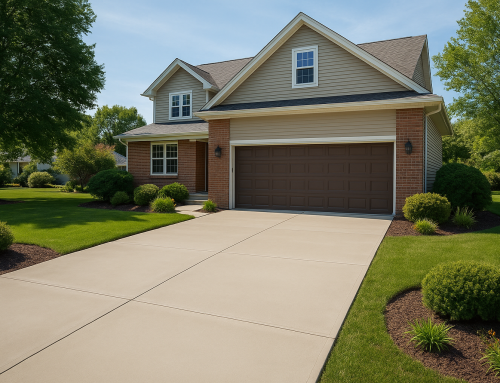
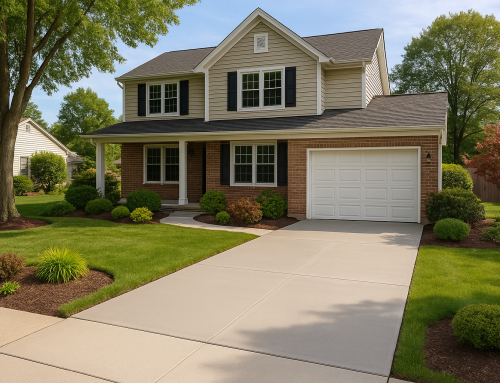
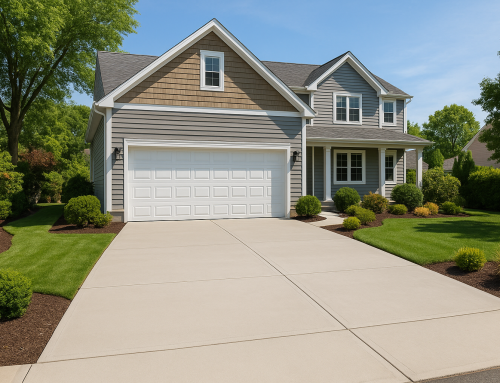
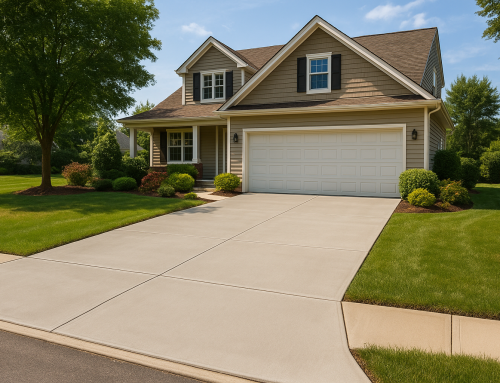
For homes, concrete is often used for driveways, patios, sidewalks, pool decks, and garage floors. These projects should focus on a clean finish, proper drainage, and enough strength to handle regular use. For driveways, a thicker slab and reinforced base are usually important. For patios, appearance and slip resistance may matter most.
Commercial and Industrial Projects
Commercial concrete must handle heavier loads, frequent traffic, and more demanding conditions. Warehouses, parking lots, and loading areas often require reinforced concrete with carefully planned joints and surface treatments. In these settings, durability and low maintenance are often more important than decorative appeal.
Decorative Concrete Options
If appearance is a priority, decorative concrete can deliver both beauty and function. Options like stamped concrete, stained finishes, exposed aggregate, and colored concrete give property owners more design flexibility. The best decorative concrete combines visual appeal with proper sealing and maintenance so it stays attractive over time.
Why Preparation Matters
Even the best concrete mix will not perform well without proper preparation. Site work is one of the most important parts of any concrete project. The ground must be graded, compacted, and properly drained before the pour begins. If the base shifts or holds water, the slab may crack, settle, or deteriorate early.
A quality concrete installation also includes:
- Accurate measurements and layout
- Proper reinforcement such as rebar or wire mesh
- Expansion and control joints placed in the right locations
- Attention to slope for drainage
- Correct timing during placement and finishing
These details may not be visible once the project is complete, but they have a huge impact on how well the concrete performs.
The Role of Finishing and Curing
Finishing and curing are two of the most important steps in achieving the best in concrete. Finishing affects the texture, appearance, and surface durability, while curing allows the concrete to gain strength properly over time. If either step is handled poorly, the result may look good at first but fail sooner than expected.
Finishing should be done at the right time, when the surface is ready but not overworked. Too much troweling can weaken the top layer, while too little attention can leave the surface rough or uneven. The ideal finish depends on the project, whether that is a broom finish for traction, a polished surface for style, or a specialty texture for decoration.
Curing is just as essential. Concrete needs moisture and time to harden correctly. Rushing this process can lead to weak spots and premature cracking. Keeping the slab protected during the early days after placement helps ensure better strength and durability in the long run.
Signs of High-Quality Concrete Work
If you want the best in concrete, look for signs of craftsmanship and professionalism. Good concrete work is easy to spot once you know what to look for. The surface should be consistent, the edges straight, and the joints placed thoughtfully. There should be no major dips, uneven coloring, or obvious signs of rushed finishing.
Other signs of quality include:
- Clear communication from the contractor
- A detailed project plan and timeline
- Proper cleanup after the job is completed
- Use of quality materials and equipment
- Knowledge of local conditions, including soil and climate
Choosing an experienced contractor can make a major difference in the final result. The best professionals understand how to adapt to weather, site conditions, and project goals without sacrificing quality.
How to Maintain Concrete for Long-Term Performance
Concrete is durable, but it still needs care. Maintenance helps preserve appearance and extend service life. Simple steps like cleaning the surface, sealing when necessary, and repairing small cracks early can prevent bigger problems later.
For outdoor concrete, it is especially important to manage moisture, ice, and heavy vehicle traffic. Avoid using harsh de-icing chemicals that can damage the surface over time. Keep drainage clear so water does not pool near slabs. For decorative concrete, resealing on schedule helps protect color and finish.
With the right maintenance, concrete can remain strong and attractive for decades. That is one of the biggest reasons it remains such a popular choice for property owners and builders alike.
Conclusion
The best in concrete comes from more than just the material itself. It is the result of smart planning, quality workmanship, proper finishing, and ongoing care. When each step is done right, concrete becomes a durable, attractive, and cost-effective solution for nearly any project. If you are investing in concrete work, focus on quality from the start and you will enjoy better results for years to come.