Introduction
Masonry work is one of the oldest and most trusted methods in construction. From brick homes and stone facades to concrete block walls and fireplaces, masonry provides strength, durability, and timeless visual appeal. It remains a key part of residential, commercial, and infrastructure projects because it combines structural performance with long-term value.
In modern construction, masonry is more than stacking bricks or stones. It involves careful planning, material selection, skilled labor, and attention to detail to create walls, partitions, veneers, chimneys, retaining walls, and decorative features. Whether used for load-bearing structures or as an aesthetic finish, masonry continues to play an essential role in building safe and lasting spaces.
What Is Masonry Work?
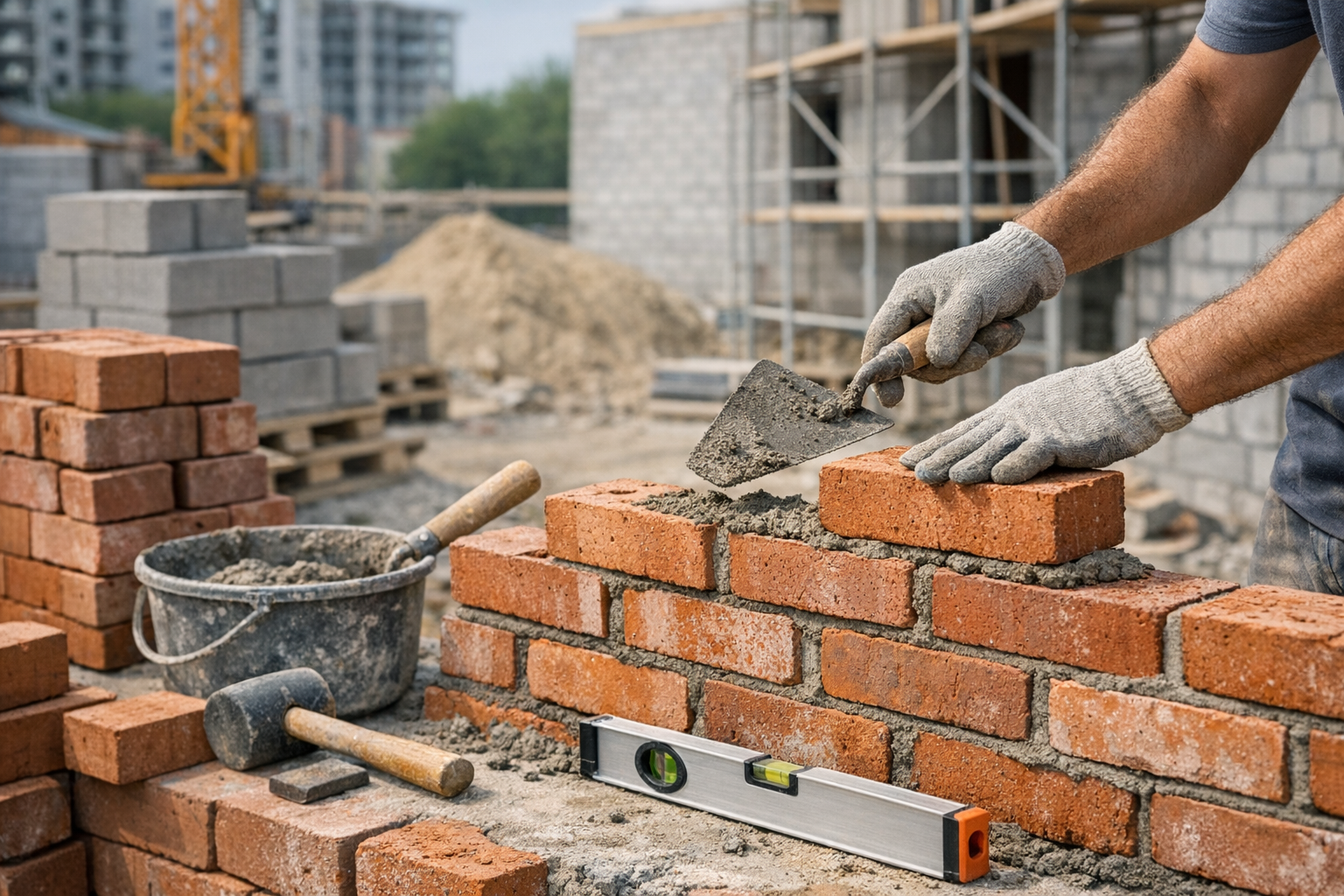
Masonry work refers to the construction of structures using individual units such as bricks, stones, concrete blocks, or similar materials, bound together with mortar. The craft can be structural, decorative, or both. Depending on the design, masonry may support the weight of a building or serve as an exterior cladding system.
Because masonry materials are durable and fire-resistant, they are widely used in foundations, walls, walkways, chimneys, columns, and retaining structures. Skilled masons must understand material behavior, alignment, bonding patterns, and moisture control to ensure the finished work is stable and long-lasting.
Common Types of Masonry Materials
Brick
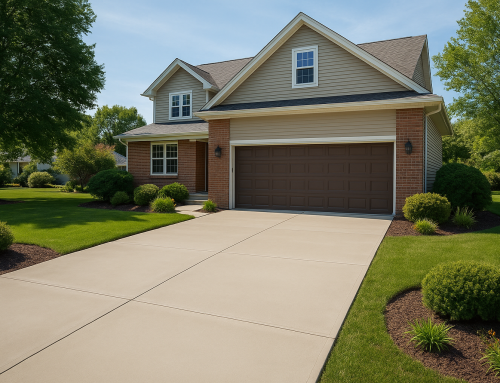
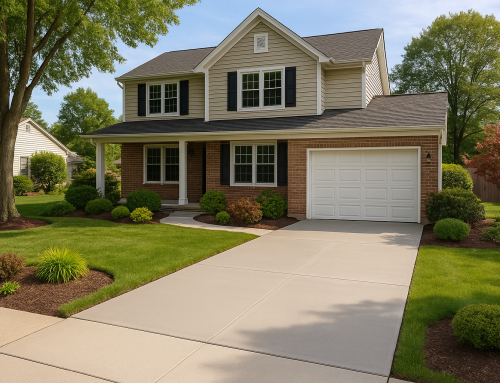
Brick is one of the most recognizable masonry materials. It is valued for its durability, fire resistance, and classic appearance. Bricks are commonly used in walls, facades, fireplaces, and paving. They come in many colors, sizes, and finishes, allowing for both traditional and modern designs.
Stone
Natural stone offers a premium look and exceptional strength. Materials such as granite, limestone, sandstone, and slate are used in exterior walls, veneers, and landscaping features. Stone masonry is often more labor-intensive than other methods, but it delivers a unique appearance and excellent longevity.
Concrete Block
Concrete masonry units, or CMUs, are widely used because they are cost-effective, versatile, and strong. They are often found in foundations, load-bearing walls, basements, and commercial buildings. Their larger size speeds up construction and makes them practical for large projects.
Mortar
Mortar is the binding material that holds masonry units together. It typically consists of cement, lime, sand, and water. The right mortar mix helps distribute loads, seal joints, and accommodate slight movement in the structure. Choosing the proper mortar is important for both performance and durability.
Types of Masonry Work in Construction
Load-Bearing Masonry
Load-bearing masonry supports the weight of the building above it. This type of construction is common in older buildings and some low-rise structures. It requires careful engineering and high-quality workmanship to ensure the walls can safely carry structural loads.
Veneer Masonry
Veneer masonry is a non-structural outer layer attached to a backup wall. It provides the appearance of brick or stone without bearing the full weight of the building. Veneers are popular in modern construction because they combine style with improved energy performance and reduced structural demands.
Reinforced Masonry
Reinforced masonry includes steel reinforcement bars placed within masonry units or grout-filled cells. This added reinforcement improves strength, especially in areas exposed to wind, seismic activity, or heavy loads. It is often used in commercial and industrial construction.
Composite Masonry
Composite masonry uses more than one material type in the same wall system. For example, brick and concrete block may be combined to balance strength, cost, and appearance. This approach allows builders to optimize performance while meeting design goals.
Key Benefits of Masonry in Construction
Durability and Longevity
One of masonry’s biggest advantages is its long service life. Properly built masonry structures can last for decades or even centuries with minimal maintenance. Materials like brick and stone resist wear, pests, and weather damage better than many alternatives.
Fire Resistance
Masonry is naturally fire-resistant, which makes it a safe choice for many building applications. This quality can help slow the spread of fire and improve overall building protection, especially in walls, fireplaces, and chimneys.
Thermal Performance
Masonry materials can help regulate indoor temperatures by absorbing and slowly releasing heat. This thermal mass can improve comfort and support energy efficiency, particularly in climates with large temperature swings.
Aesthetic Appeal
Masonry offers a timeless look that can enhance property value and curb appeal. With different textures, patterns, and finishes, masons can create everything from rustic stone walls to sleek contemporary facades.
Low Maintenance
Compared with many other exterior systems, masonry generally requires less routine maintenance. When joints are properly sealed and the structure is well designed, it can resist fading, rot, and insect damage.
Challenges in Masonry Work
Although masonry is highly durable, it does come with challenges. Skilled labor is essential, since poor workmanship can lead to cracking, water intrusion, and uneven settling. Weather conditions also affect masonry installation, because extreme heat, cold, or moisture can interfere with mortar curing and bonding.
Another concern is structural movement. Buildings settle over time, and masonry can crack if joints are not properly designed to allow for expansion and contraction. In addition, improper drainage can trap moisture, leading to deterioration or efflorescence. These issues make planning and quality control critical throughout the project.
Best Practices for Quality Masonry Work
Successful masonry work starts with a strong foundation. The base must be level, stable, and capable of supporting the intended load. Masons should use the correct mortar mix for the material and climate, and joints must be filled consistently to avoid weak spots.
It is also important to maintain accurate alignment and spacing. Tools such as levels, plumb lines, and string lines help ensure clean, straight results. Proper curing time should be allowed so mortar gains strength before the structure is exposed to heavy stress.
Moisture management is another essential best practice. Flashing, weep holes, sealants, and drainage details help protect masonry from water damage. Regular inspections and maintenance can also extend the life of the work by identifying small problems before they become major repairs.
Conclusion
Masonry work remains a cornerstone of construction because it offers strength, beauty, and lasting performance. With the right materials, skilled craftsmanship, and attention to detail, masonry can create structures that stand the test of time while adding value and character to any project.