Introduction
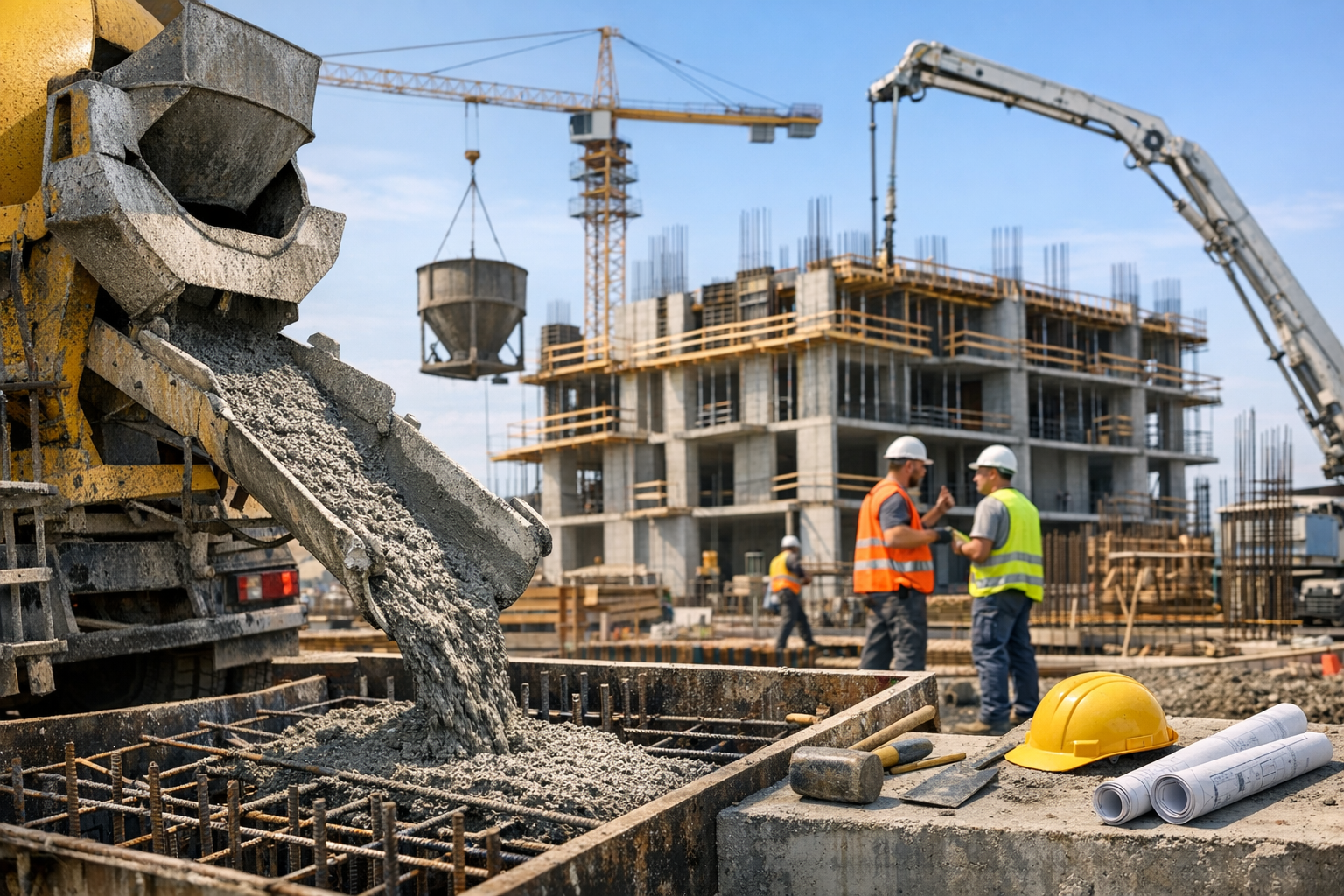
Concrete construction is the backbone of countless residential, commercial, and infrastructure projects. From driveways and sidewalks to foundations, slabs, retaining walls, and large-scale industrial work, the demand for skilled concrete contractors remains steady. For entrepreneurs and contractors, this creates a promising opportunity: a concrete construction business can be profitable, scalable, and resilient when built on strong systems and quality workmanship.
Success in this industry, however, takes more than knowing how to pour and finish concrete. It requires careful planning, an understanding of the market, reliable operations, and a commitment to safety and customer service. Whether you are starting from scratch or looking to grow an existing operation, the right strategy can help you stand out in a competitive field.
Understand the Concrete Construction Market
The first step in building a successful concrete construction business is understanding where the demand is coming from. Concrete services are needed in both new construction and repair work, which means your business can serve homeowners, builders, developers, municipalities, and commercial property owners.
Common service categories include foundation installation, flatwork, stamped concrete, decorative patios, curb and gutter work, sidewalks, garage floors, and structural concrete. In many markets, repair and replacement jobs can be just as valuable as new builds, especially when aging infrastructure or weather damage creates ongoing demand.
Identify Your Ideal Customers
Not every concrete contractor serves the same type of customer. Some focus on residential driveways and patios, while others pursue municipal contracts or large commercial pours. Identifying your ideal customer helps you price work accurately, market effectively, and invest in the right equipment.
Start by evaluating local competition, permit activity, construction trends, and the types of projects that are most common in your area. If your market has a growing housing sector, residential flatwork may be a strong entry point. If your area has significant commercial development, forming relationships with general contractors could open larger opportunities.
Build a Solid Business Plan
A detailed business plan is essential for any concrete construction company. It serves as your roadmap for daily operations, finances, marketing, and growth. Your plan should outline your services, target market, pricing model, startup costs, staffing needs, and revenue goals.
Because concrete work often involves specialized equipment, labor, materials, and seasonal fluctuations, accurate financial planning is especially important. Account for trucks, mixers, tools, formwork, rebar, finishing equipment, insurance, licensing, fuel, and maintenance. You should also plan for cash flow gaps, since larger projects may require upfront expenses before final payment arrives.
Set Realistic Pricing
Pricing in the concrete construction business must balance competitiveness with profitability. Underbidding jobs can quickly erode margins, especially when material costs rise or projects run longer than expected. Build your estimates around direct labor, materials, overhead, equipment depreciation, and a healthy profit margin.
It is also wise to create a consistent estimating process. This reduces mistakes and helps customers understand what they are paying for. A detailed estimate should clearly define scope, materials, site prep, reinforcement, finishing, cleanup, and any exclusions.
Invest in Equipment and Skilled Labor
Quality equipment and skilled workers are the foundation of a reliable concrete construction business. The exact equipment you need depends on your specialty, but many contractors rely on trucks, trailers, mixers, skid steers, compactors, laser levels, screeds, power trowels, and finishing tools.
When starting out, many owners choose a lean approach by purchasing only essential equipment and renting larger items as needed. This can reduce startup costs while still allowing you to take on profitable work. As the business grows, investing in additional equipment can improve efficiency and expand your service offerings.
Hire and Train for Quality
Concrete work is highly dependent on timing, coordination, and craftsmanship. A poor pour can lead to costly repairs, unhappy customers, and damaged reputation. For that reason, hiring experienced workers or training reliable employees is critical.
Train your crew on proper site preparation, form setting, reinforcement placement, pouring, finishing, curing, and cleanup. Safety training should also be a top priority. Concrete construction involves heavy materials, power equipment, and physically demanding work, so preventing injuries protects both your team and your bottom line.
Focus on Operations and Project Management
Strong operations separate profitable concrete businesses from struggling ones. Jobs must be scheduled carefully, materials ordered on time, and crews deployed efficiently. Delays in concrete work can be expensive because of weather conditions, delivery windows, and labor coordination.
Project management systems help you keep jobs on track. Use digital tools or simple checklists to monitor estimates, contracts, permits, material deliveries, and completion dates. Clear communication with clients and subcontractors can reduce confusion and limit disputes.
Prioritize Jobsite Efficiency
Efficiency matters in concrete construction because many tasks are time-sensitive. The better your team works together, the more jobs you can complete without sacrificing quality. Organize tools and materials before arrival, confirm formwork dimensions, and make sure everyone understands the pour sequence before work begins.
Consistency also improves profitability. Standard operating procedures for site prep, pouring, finishing, and cleanup help deliver dependable results and make it easier to train new employees.
Market Your Concrete Construction Business
Even the best concrete contractor needs steady lead generation. Marketing helps potential customers find your business and trust your expertise. A strong online presence is essential, starting with a professional website that lists your services, service area, contact information, and examples of completed projects.
Search engine optimization, online reviews, and social media can all help attract local clients. Before-and-after photos, short project videos, and customer testimonials are especially effective in this industry because they showcase craftsmanship and results.
Build Local Relationships
Concrete construction is a relationship-driven business. General contractors, builders, architects, suppliers, real estate developers, and property managers can all become valuable referral sources. Networking with these professionals can lead to repeat work and larger contracts.
Do not overlook local marketing methods such as yard signs, referrals, community sponsorships, and partnerships with suppliers. A good reputation for reliable service and quality workmanship often becomes your strongest marketing asset.
Deliver Excellent Customer Service
In a hands-on industry like concrete construction, customer service can be a major differentiator. Homeowners and commercial clients want contractors who communicate clearly, arrive on time, respect the property, and stand behind their work.
Set expectations early by explaining the process, timeline, site access needs, and curing requirements. Keep clients informed if weather or material delays affect scheduling. After the job is complete, follow up to ensure satisfaction and address any concerns promptly.
Good service creates repeat business and referrals, which are often more valuable than one-time jobs. Many concrete companies grow not just because of technical skill, but because customers trust them to deliver a smooth experience from start to finish.
Plan for Growth
Once your business is stable, growth can come from expanding services, improving efficiency, or taking on larger projects. You might add decorative concrete, excavation support, repair work, or commercial flatwork. Another growth strategy is investing in better scheduling, estimating software, and workforce development.
As revenue increases, track key performance metrics such as gross margin, labor utilization, lead conversion, and job completion time. These numbers help you make informed decisions and avoid growing too quickly without the systems to support it.
Conclusion
A concrete construction business can be a strong and lasting enterprise when built on planning, quality, and consistency. By understanding your market, managing costs, investing in your team, and delivering excellent service, you can create a company that earns trust and generates steady demand. With the right foundation, your business can grow one successful project at a time.