Introduction
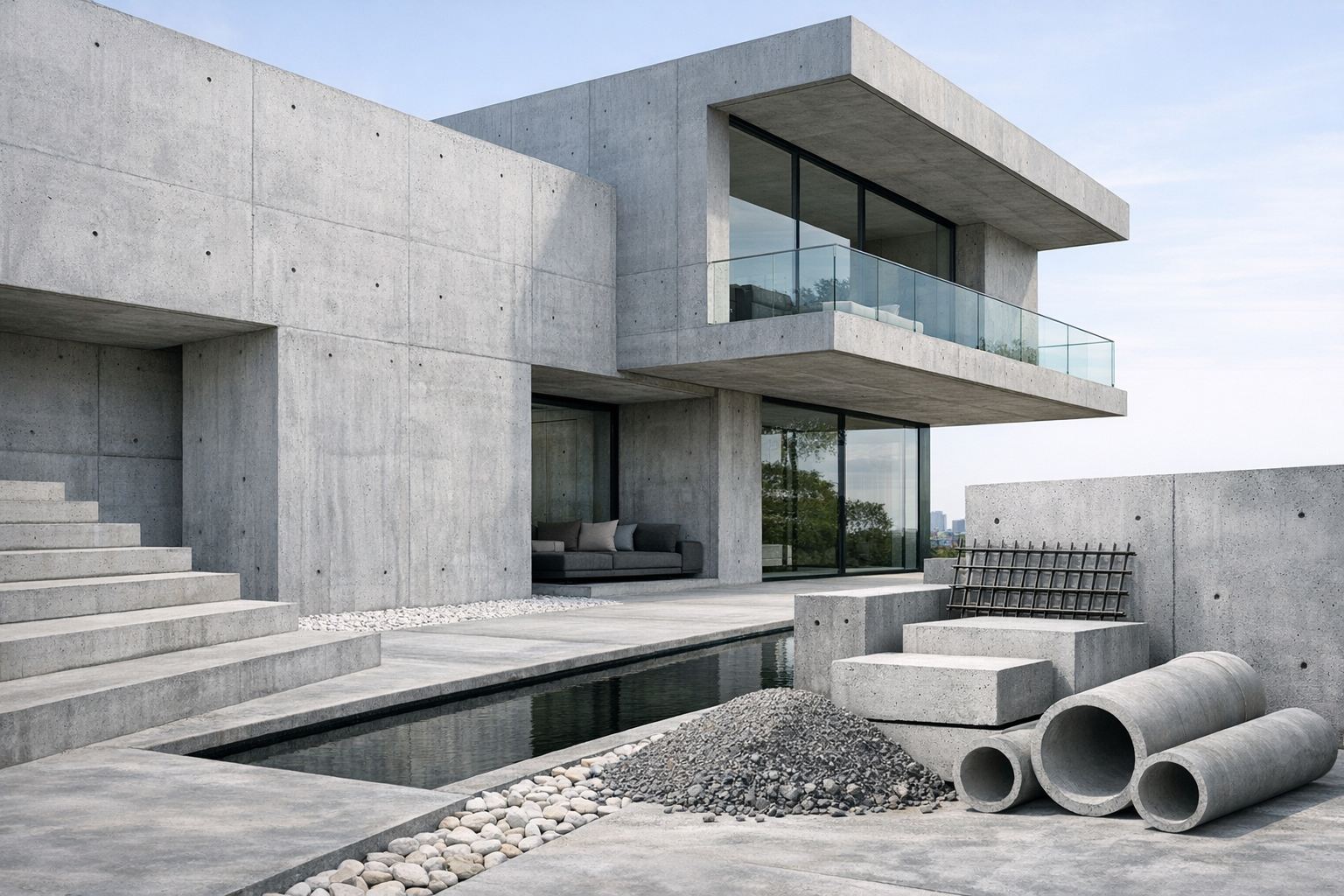
Concrete has long been one of the most trusted materials in construction, and for good reason. It is strong, versatile, cost-effective, and capable of taking on countless forms. When people talk about all in concrete, they are usually referring to a complete approach to concrete use in building and design, from foundations and structural work to decorative finishes and outdoor features. Whether you are planning a residential project, a commercial build, or a landscape upgrade, understanding what all in concrete involves can help you make smarter decisions.
This guide breaks down the benefits, applications, types, and best practices for using concrete in a way that is practical and long-lasting. If you want a material that combines performance with design flexibility, concrete remains one of the best options available.
What Does All in Concrete Mean?
All in concrete is a broad term that can describe a full-service concrete solution or a project that relies heavily on concrete for multiple elements. It may include foundations, driveways, slabs, retaining walls, patios, paths, steps, and structural components. In some cases, the phrase also refers to the complete process of working with concrete, including planning, mixing, pouring, finishing, curing, and maintenance.
The appeal of all in concrete lies in its adaptability. Instead of using several different materials for different parts of a project, concrete can often handle multiple roles with consistent durability and visual appeal.
Why Concrete Remains a Popular Choice
Strength and Longevity
One of concrete’s biggest advantages is its strength. When properly mixed and installed, concrete can support heavy loads and withstand years of use. It performs well in both residential and commercial settings, making it a reliable choice for everything from footpaths to industrial floors.
Versatility
Concrete is no longer limited to plain gray slabs. It can be colored, stamped, polished, textured, or shaped to suit a wide range of design goals. This makes it suitable for modern, traditional, and minimalist spaces alike.
Cost-Effectiveness
Compared with many other building materials, concrete often delivers excellent value over time. Its initial installation cost may vary depending on the project, but its long lifespan and relatively low maintenance needs make it a smart investment.
Low Maintenance
Concrete surfaces typically require minimal upkeep. Regular cleaning, occasional sealing, and prompt repairs to cracks or surface damage can keep concrete looking and performing well for many years.
Common Applications of All in Concrete
Foundations and Structural Work
Concrete is a foundational material in the literal sense. It is widely used for house foundations, footings, columns, beams, and load-bearing elements. Its compressive strength makes it ideal for supporting buildings and other structures.
Driveways and Pathways
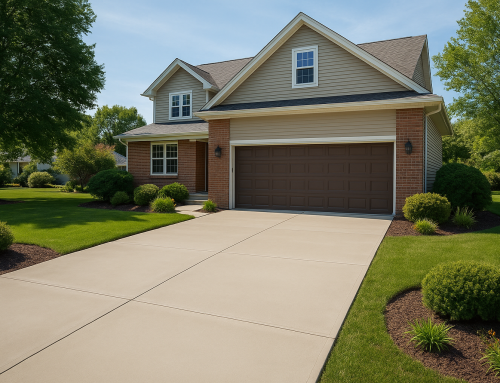
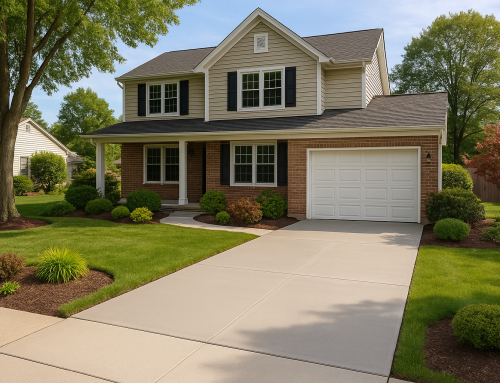
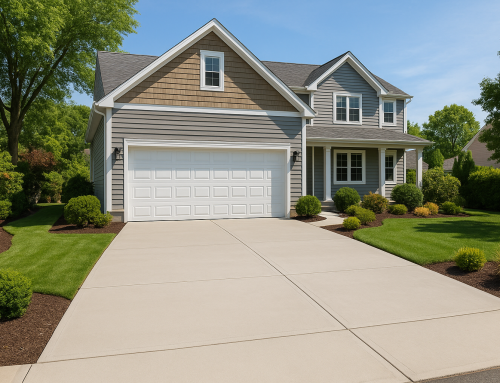
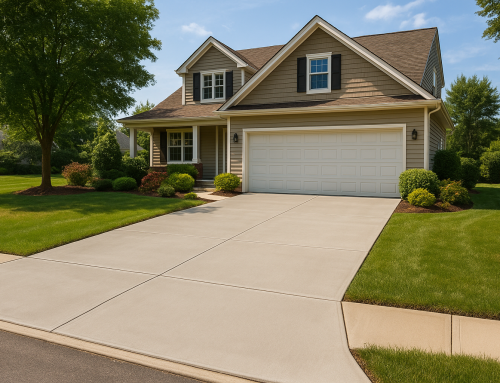
Concrete driveways are popular because they offer a smooth, durable surface that can handle regular vehicle traffic. Walkways and garden paths benefit from the same strength, along with the option to customize the finish for a more attractive appearance.
Patios and Outdoor Living Areas
Outdoor spaces often benefit from concrete because it can be finished in numerous ways. Stamped concrete can mimic stone or brick, while exposed aggregate offers a textured, decorative look. These options make concrete ideal for patios, pool surrounds, and entertaining spaces.
Floors and Interior Surfaces
Polished concrete floors have become increasingly popular in homes, offices, restaurants, and retail spaces. They are stylish, easy to maintain, and capable of handling heavy foot traffic.
Retaining Walls and Landscaping Features
Concrete retaining walls are useful for managing slopes and improving drainage. In landscaping, concrete can also be used for edging, steps, planters, and decorative elements that bring structure and style to an outdoor area.
Types of Concrete Finishes and Treatments
Plain Concrete
Plain concrete is the most straightforward option and is often chosen for functional surfaces where appearance is secondary to performance. It is practical, affordable, and widely used in structural work.
Stamped Concrete
Stamped concrete is textured and patterned to resemble materials such as brick, slate, tile, or stone. It is a popular choice for patios, driveways, and pool decks because it offers visual appeal without the higher cost of natural materials.
Polished Concrete
Polishing transforms a concrete floor into a sleek, reflective surface. This finish works especially well in contemporary interiors and commercial environments.
Exposed Aggregate
Exposed aggregate reveals the decorative stones within the concrete mix, creating a textured and slip-resistant surface. It is commonly used for driveways, paths, and outdoor spaces.
Colored Concrete
Adding pigment to concrete allows homeowners and builders to create a more customized look. Color can be subtle or bold, depending on the design objective.
Best Practices for a Successful Concrete Project
Start with Proper Planning
Good concrete work begins with a solid plan. Consider the purpose of the surface, the expected load, drainage needs, weather exposure, and the look you want to achieve. Careful planning helps avoid costly mistakes later.
Use the Right Mix
Different projects require different concrete mixes. A driveway, for example, needs a mix suited to vehicle loads, while decorative concrete may require additional attention to finish and color consistency. Working with an experienced contractor or supplier can help ensure the right formulation.
Focus on Installation Quality
Even the best concrete mix can fail if it is poorly installed. Proper subgrade preparation, reinforcement, pouring technique, and finishing all play a major role in the final result.
Allow for Proper Curing
Curing is one of the most important steps in concrete construction. It allows the material to gain strength gradually and reduces the risk of cracking. Rushing this stage can compromise the durability of the project.
Maintain the Surface Regularly
Although concrete is low maintenance, it is not maintenance-free. Sealing surfaces, cleaning spills, removing debris, and repairing small cracks early can extend the life of your concrete and preserve its appearance.
When to Choose All in Concrete for Your Project
All in concrete is an excellent option when you want a material that balances durability, functionality, and design flexibility. It works especially well for projects that need to handle weight, weather, or regular use. It is also a strong choice for homeowners and property managers who want a long-term solution with minimal upkeep.
If your project involves outdoor hardscaping, structural support, or high-traffic flooring, concrete is often one of the most practical materials you can choose. With the right design and installation, it can also add significant visual value to a property.
Conclusion
All in concrete represents the full potential of one of construction’s most dependable materials. From foundations and driveways to decorative patios and polished interior floors, concrete offers strength, flexibility, and lasting value. With proper planning, quality installation, and regular maintenance, it can serve both functional and aesthetic goals for years to come.