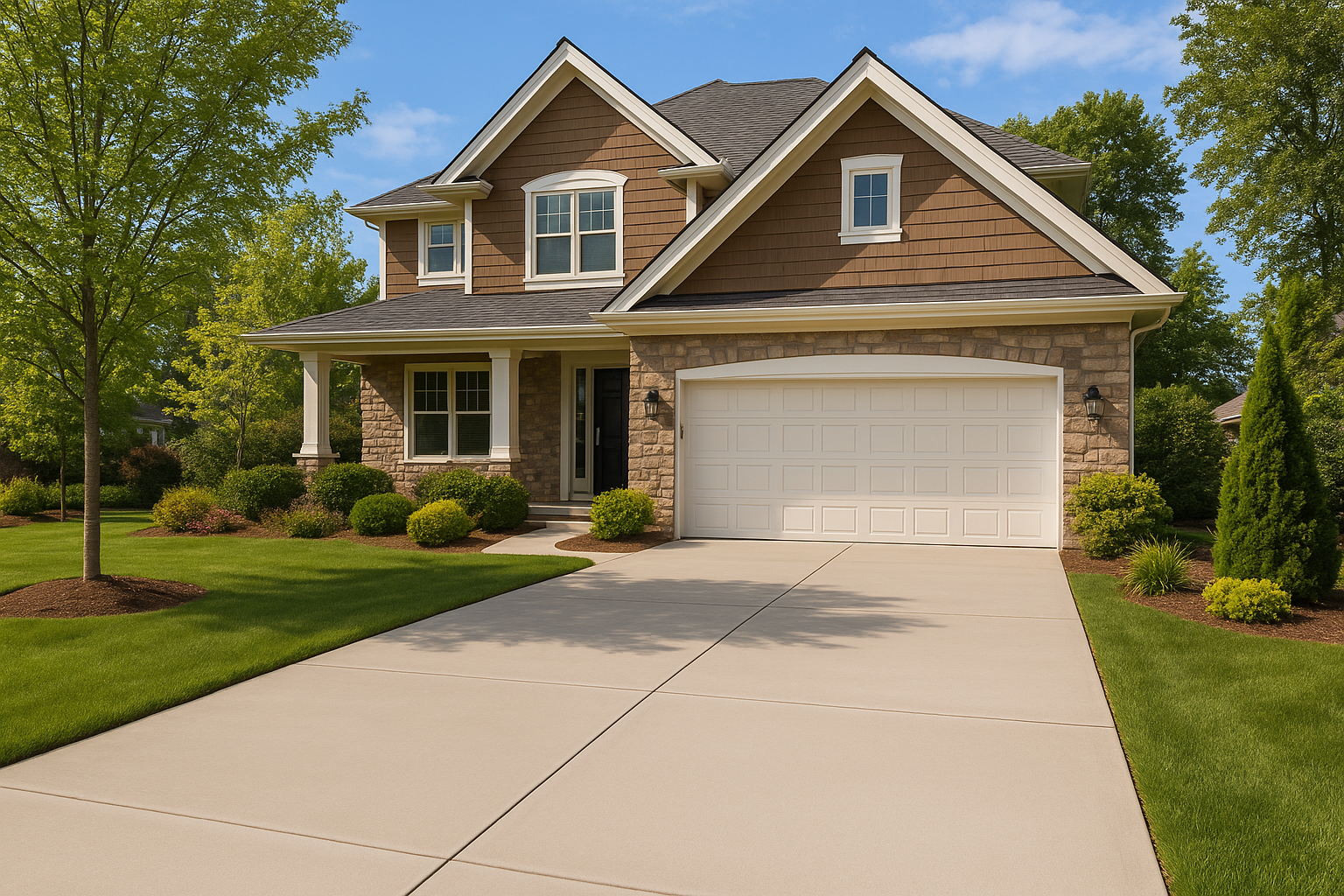
Choosing the best masonry means finding the right match between your project, the materials, and the skill of the mason. A brick patio, a stone retaining wall, and a concrete-block foundation all rely on masonry, but each calls for different products and techniques. The best option is one that suits your budget, performs well in your climate, and is installed with care.
This guide covers popular masonry materials, what to look for in a contractor, and how to keep masonry work in good condition. Use it to plan a project with confidence, whether you are building new or repairing an existing structure.
What Makes Masonry the Best Choice?
Masonry construction uses individual units—such as brick, stone, or concrete block—joined with mortar or another bonding method. Its appeal comes from strength, fire resistance, and a long service life when the design and installation are right. Masonry can also add texture and character, from traditional brickwork to clean-lined block walls.
However, no material is best for every job. Soil conditions, moisture exposure, freeze-thaw cycles, building codes, and the structure’s intended use all matter. A decorative garden wall has different requirements from a load-bearing wall or chimney. Start with the purpose of the work, then compare materials and construction methods.
Popular Masonry Materials
Brick
Brick is a versatile choice for exterior walls, fireplaces, paths, and patios. It offers a familiar appearance and comes in a range of colors, textures, and patterns. Quality brickwork can last for generations, but the units and mortar should be appropriate for the location. For example, outdoor brick exposed to frequent moisture or freezing weather needs to be suited to those conditions.
Natural Stone
Natural stone provides distinctive color and texture, making it a popular option for steps, landscape walls, facades, and fireplaces. Granite, limestone, slate, and other stones differ in appearance, weight, porosity, and cost. Stone may require careful selection and more labor to fit, so ask how the mason will handle drainage, support, and consistent joints.
Concrete Block
Concrete masonry units, often called CMUs or concrete blocks, are widely used for foundations, retaining walls, garages, and other structural work. They are strong, practical, and generally efficient to install. Blocks can be left exposed, painted, or covered with a finish material. For structural applications, design and reinforcement requirements should be determined by qualified professionals and local code.
Manufactured Stone Veneer
Manufactured stone veneer offers the look of stone in a lighter, often more budget-friendly product. It can be used on selected interior and exterior surfaces, provided the wall assembly is designed for the product and local conditions. Proper flashing, drainage, and installation details are essential: attractive veneer is not a substitute for a sound moisture-management system.
How to Choose the Best Masonry for Your Project
Match the material to the job
Consider whether the masonry will carry weight, retain soil, face the weather, or serve mainly as decoration. Structural work may require engineered plans, reinforcement, or permits. Decorative features still need a stable base and suitable materials. If you are unsure, ask a structural engineer, building professional, or experienced mason to assess the site before work begins.
Consider climate and water management
Water is one of the biggest challenges for masonry. Rain, poor drainage, and repeated freezing can contribute to staining, cracking, or mortar damage. Ask how the design will direct water away from the wall and protect vulnerable areas. Good flashing, weep details where required, appropriate mortar, and well-prepared foundations help masonry perform over time.
Balance appearance, upkeep, and cost
Compare the full project cost rather than the price of the units alone. Preparation, access, demolition, reinforcement, finishing, and disposal can all affect the estimate. Ask about expected maintenance as well. Some materials may need periodic repointing, sealing, or cleaning, while others call for little routine attention beyond inspection.
What to Look for in a Masonry Contractor
The best masonry materials still depend on competent installation. Look for a contractor with experience in the specific work you need, such as brick repair, stone steps, block foundations, or chimney rebuilding. Review photos of similar projects and ask for references. Confirm licensing, insurance, permit responsibilities, and who will supervise the work.
Request a written estimate that describes the scope, materials, preparation, cleanup, timeline, and payment schedule. A clear proposal should identify important details, not simply list a total price. Ask how the contractor handles unexpected conditions, protects nearby landscaping, and verifies that the finished work meets applicable plans and codes. Be cautious of pressure to decide immediately or a quote that is dramatically lower than comparable bids without a clear explanation.
Signs of Quality Masonry Work
Finished masonry should look intentional and be built to suit its purpose. Look for consistent joints, stable alignment, clean transitions, and cuts that fit the design. The wall or feature should not show loose units, obvious gaps, or mortar smeared across the face. These visual checks are useful, but they do not replace inspection of hidden elements such as foundations, reinforcement, flashing, and drainage.
Before the project starts, discuss how the work will be inspected and what documentation you will receive. For structural or complex work, independent professional review may be appropriate. Keep copies of plans, permits, product information, and warranty details for future maintenance.
Maintaining Masonry
Inspect masonry periodically for cracks, loose units, deteriorating mortar, water stains, or vegetation growing in joints. Address drainage issues and keep gutters and downspouts clear so water does not repeatedly run over the wall. Avoid harsh cleaning methods or coatings unless they are recommended for the specific material; trapping moisture can create problems rather than prevent them. Significant movement, bulging, or widening cracks should be assessed by a qualified professional.
Conclusion
The best masonry is the right material, designed for its setting and installed by a skilled professional. Compare options based on function, climate, upkeep, and total cost, then choose a contractor who explains the details clearly. Thoughtful planning and routine care can help masonry remain safe, attractive, and durable for years.