
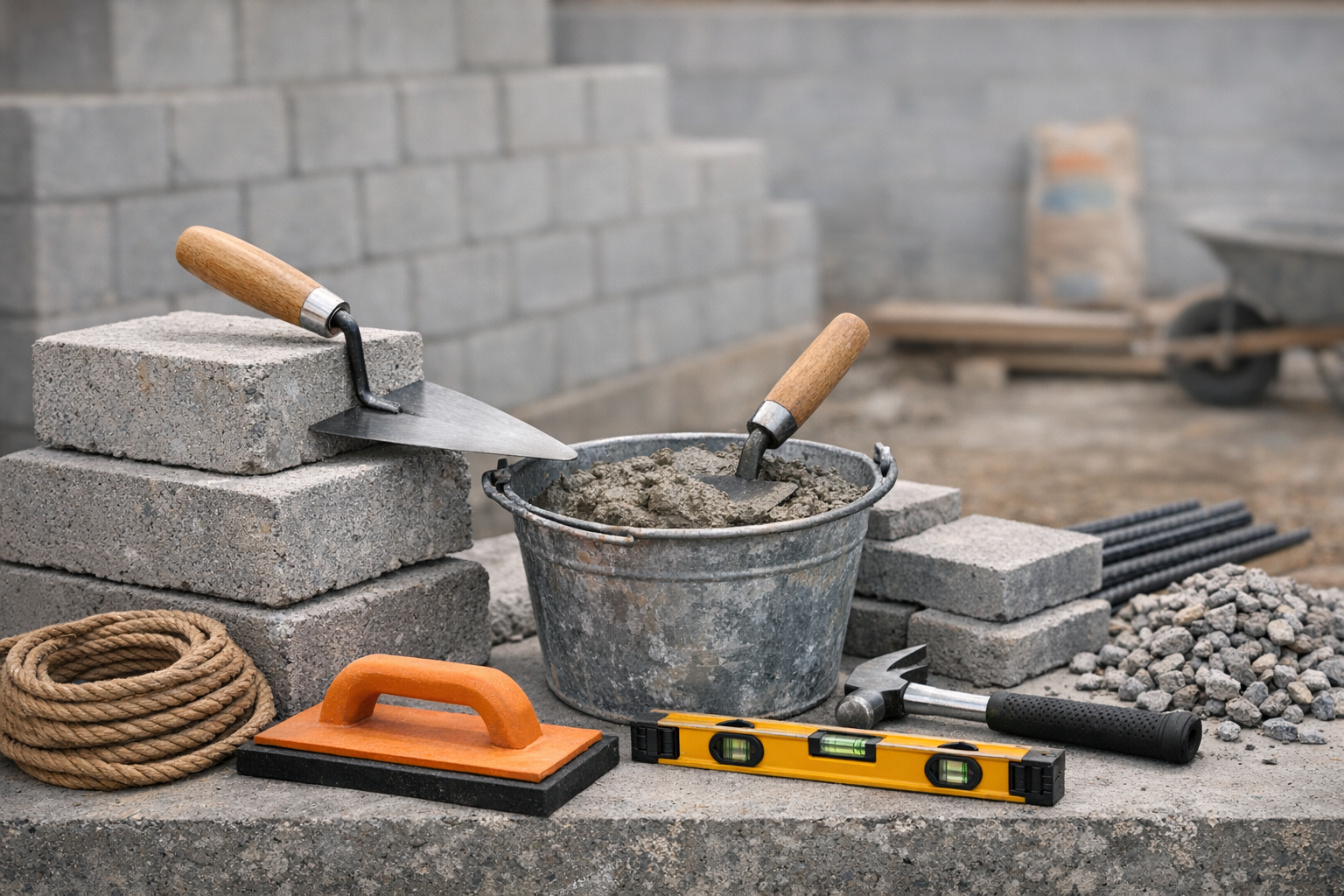
Masonry concrete is one of the most dependable materials in construction, combining the durability of concrete with the versatility needed for masonry work. Whether you’re building a retaining wall, laying a foundation, or repairing a structural surface, masonry concrete offers a strong, workable solution that performs well in a wide range of applications. Understanding what it is, how it differs from other concrete mixes, and how to use it correctly can help you achieve better results on any project.
What Is Masonry Concrete?
Masonry concrete refers to concrete or concrete mixes designed for use in masonry construction, where strength, adhesion, and workability are especially important. It may be used in block walls, footings, foundations, veneers, structural repairs, and other applications where concrete must bond well with masonry units such as brick, stone, or concrete block.
Unlike general-purpose concrete, masonry concrete is often formulated to be easier to place, shape, or finish around masonry elements. In some cases, the term may also refer to concrete used in conjunction with masonry systems, including mortar joints, reinforced walls, and concrete-filled block assemblies.
How Masonry Concrete Differs from Regular Concrete
While both materials contain cement, aggregate, and water, masonry concrete is typically selected or mixed with specific performance goals in mind. Regular concrete is often used for slabs, driveways, and large structural pours, where compressive strength is the primary concern. Masonry concrete, on the other hand, may prioritize bonding, flow, and compatibility with masonry units.
This difference matters because masonry projects often involve tighter spaces, vertical surfaces, and the need for precise placement. A mix that is too stiff can be difficult to work with, while one that is too wet may weaken the final result. The right masonry concrete mix helps create a durable, stable structure without sacrificing ease of installation.
Common Uses of Masonry Concrete
Foundations and Footings
Masonry concrete is frequently used in foundations and footings because these elements must support heavy loads over time. A properly installed footing distributes weight evenly and helps prevent settling or cracking. In masonry construction, a solid concrete base is essential for maintaining the integrity of walls and other structural components.
Block and Brick Construction
Concrete masonry units, brick, and stone often rely on concrete-based materials for adhesion and support. Masonry concrete can be used in conjunction with mortar and grout to strengthen walls and improve load-bearing performance. This is especially important in retaining walls, boundary walls, and reinforced structural walls.
Repairs and Patching
Because it bonds well and can be applied in targeted areas, masonry concrete is also useful for repairs. It can fill cracks, patch spalled sections, or restore damaged edges in masonry surfaces. For repair work, selecting a mix that matches the existing material is important to maintain both appearance and performance.
Outdoor Structures
Patios, steps, planters, and outdoor walls often benefit from masonry concrete because it resists weather exposure when installed properly. These features require a material that can handle moisture, temperature changes, and regular wear. Masonry concrete provides the strength and durability needed for long-lasting outdoor projects.
Benefits of Masonry Concrete
One of the biggest advantages of masonry concrete is its versatility. It can be used in many different project types, from large structural work to small-scale repairs. Other key benefits include:
- Strength: Provides dependable compressive strength for load-bearing applications.
- Durability: Resists weathering, moisture, and everyday wear when properly installed and cured.
- Workability: Can be placed and finished in ways that suit masonry construction.
- Compatibility: Works well with brick, block, stone, and other masonry materials.
- Cost-effectiveness: Offers long-term value by reducing maintenance and repair needs.
These benefits make masonry concrete a smart choice for projects where performance and longevity matter. When used correctly, it can provide a stable foundation for both decorative and structural applications.
Best Practices for Working with Masonry Concrete
Choose the Right Mix
The first step to a successful project is choosing a mix appropriate for the job. Not every masonry task requires the same concrete formulation. Consider factors such as load requirements, exposure to moisture, and whether the project is structural or decorative. If necessary, consult product specifications or a construction professional to determine the best mix design.
Prepare the Surface Properly
Good surface preparation helps masonry concrete bond effectively. Surfaces should be clean, sound, and free of dust, oil, loose debris, or old material that could interfere with adhesion. In repair applications, removing damaged concrete or masonry may be necessary before applying a new layer.
Use Correct Water Content
Water plays a major role in the strength and workability of concrete. Too much water can weaken the finished product and increase the risk of cracking or shrinkage. Too little water may make the mix difficult to place and finish. Follow the manufacturer’s recommendations closely to maintain proper consistency.
Compact and Cure Thoroughly
Proper compaction helps eliminate air pockets and improves the density of the finished work. After placement, curing is just as important. Keeping masonry concrete moist during the curing period allows it to develop strength gradually and reduces the risk of early failure. Skipping this step can compromise the long-term performance of the structure.
Account for Weather Conditions
Temperature and humidity can affect how masonry concrete sets and cures. Hot, dry conditions may cause water to evaporate too quickly, while cold weather can slow curing and increase the risk of damage. Whenever possible, plan work during favorable conditions and use protective measures such as coverings or curing compounds when needed.
Maintenance and Longevity
Masonry concrete is built to last, but routine maintenance can extend its service life even further. Inspect masonry surfaces periodically for cracks, moisture intrusion, or surface deterioration. Addressing small issues early can prevent more costly repairs later. Sealing exposed surfaces may also help protect against water penetration, staining, and freeze-thaw damage.
For structures that carry heavy loads or experience frequent environmental exposure, occasional professional evaluation is a good idea. This is especially true for retaining walls, foundations, and other critical components where hidden damage can become a serious concern.
Conclusion
Masonry concrete is a reliable, flexible material that plays an important role in everything from foundations to repairs. By choosing the right mix, preparing surfaces properly, and following sound installation practices, you can create masonry structures that are strong, durable, and built to last. Whether you’re planning a new build or maintaining an existing one, masonry concrete offers the performance and versatility needed to get the job done right.