Introduction
Masonry and concrete are two of the most trusted materials in construction, valued for their strength, durability, and versatility. From foundations and retaining walls to patios, chimneys, and decorative facades, these materials play a major role in both residential and commercial projects. When used correctly, masonry and concrete can create structures that last for decades while offering excellent performance and timeless curb appeal.
Understanding the differences between masonry and concrete, as well as when to use each one, can help property owners make smarter decisions. Whether you are planning a new build, repairing damage, or upgrading an exterior space, knowing the basics of these materials is the first step toward a successful project.
What Is Masonry?
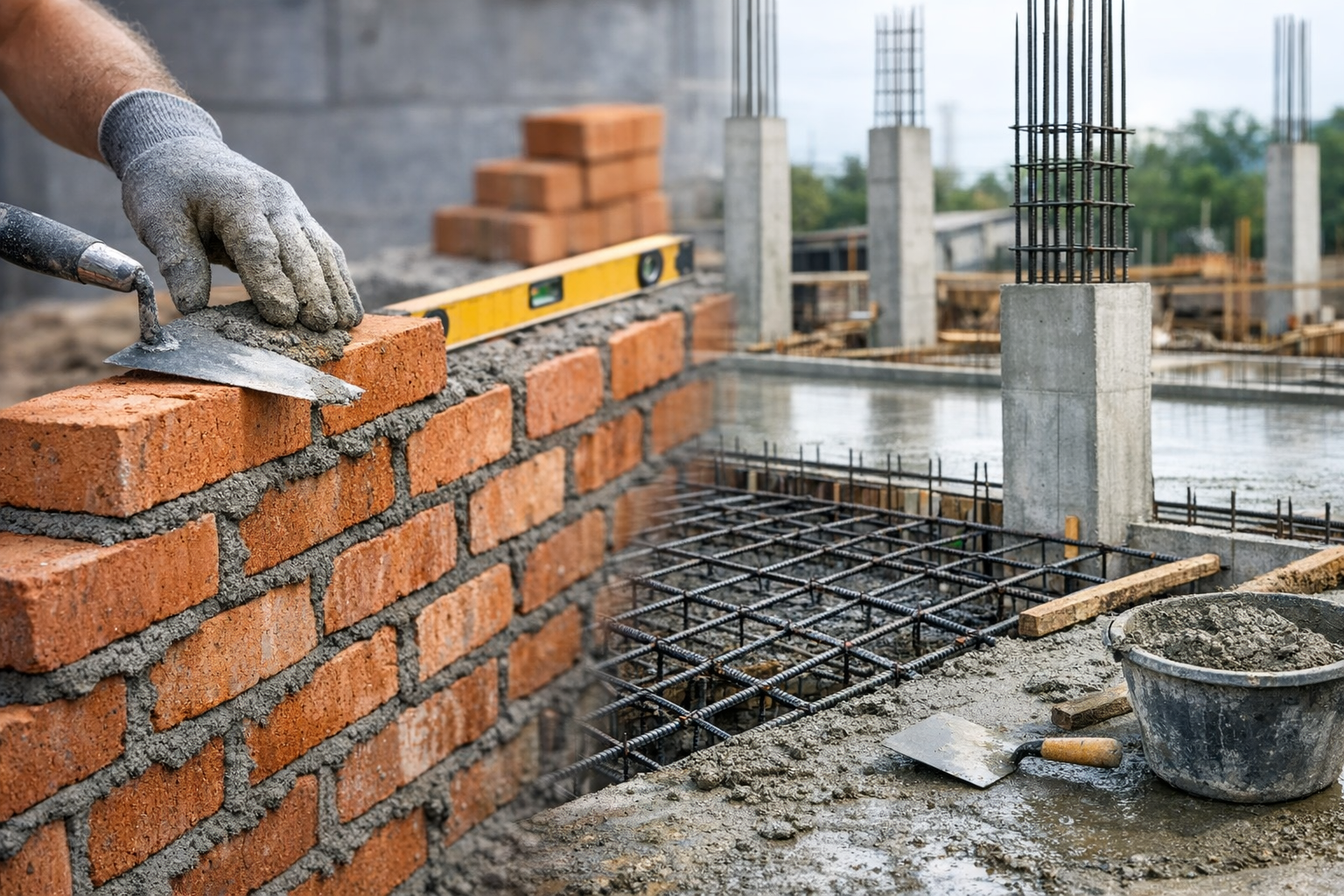
Masonry refers to construction made from individual units such as brick, stone, block, or tile, typically held together with mortar. It is one of the oldest forms of building construction and remains popular because of its strength, fire resistance, and visual appeal.
Common masonry materials include:
- Brick – Classic, durable, and widely used for homes, walls, and walkways.
- Stone – Natural and elegant, often chosen for decorative and structural features.
- Concrete block – Strong, affordable, and commonly used in foundations and load-bearing walls.
- Mortar – The bonding material that holds masonry units together.
Masonry is often selected for its aesthetic qualities as much as its strength. It can give a property a traditional, upscale, or rustic look depending on the material and design.
What Is Concrete?
Concrete is a composite material made by mixing cement, water, sand, and aggregate such as gravel or crushed stone. Once poured and cured, it becomes one of the most durable and adaptable building materials available.
Concrete is used in a wide range of applications, including:
- Foundations
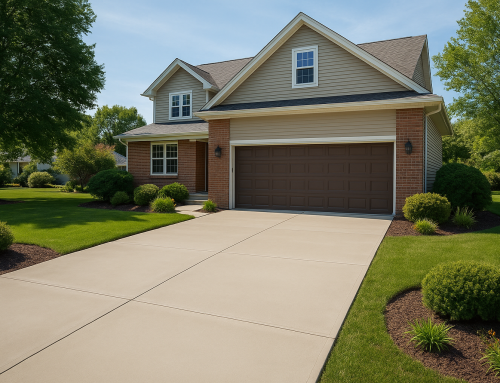
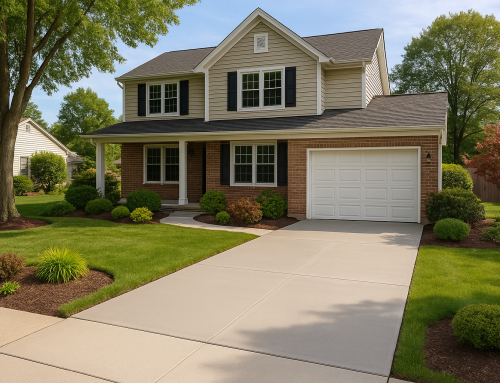
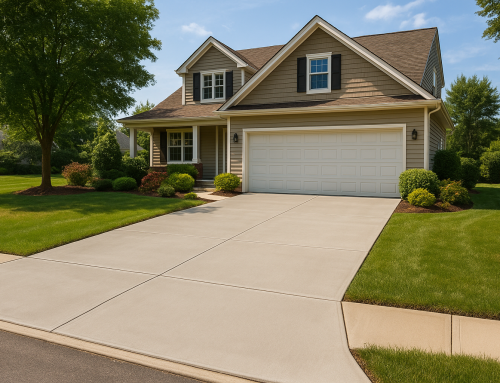
- Driveways
- Sidewalks
- Slabs and floors
- Retaining walls
- Structural elements in commercial and industrial buildings
Unlike masonry, which uses separate units, concrete is typically poured into forms and shaped on site. It can also be finished in many ways, from smooth and modern to stamped or textured for decorative effect.
Masonry vs. Concrete: Key Differences
Composition and Installation
The biggest difference between masonry and concrete is how they are made and installed. Masonry involves placing individual units, while concrete is poured in place. Masonry work tends to be more labor-intensive and detail-oriented, while concrete installation often requires careful mixing, forming, and curing.
Appearance
Masonry usually offers more texture and character because it is made from visible units like brick or stone. Concrete has a more uniform appearance, but it can be customized with stamping, staining, coloring, or polishing.
Strength and Durability
Both materials are strong, but their performance depends on the application. Concrete is especially effective for large structural elements and continuous surfaces, while masonry excels in walls, veneers, and architectural features. Proper installation and maintenance are essential for maximizing longevity in both cases.
Maintenance Needs
Masonry and concrete are relatively low-maintenance compared with wood or some other building materials, but they still require care. Masonry may need repointing if mortar joints deteriorate, and concrete may require sealing, crack repair, or surface restoration over time.
Common Masonry Applications
Masonry is used in many parts of a building and landscape because of its durability and visual appeal. Some of the most common applications include:
- Exterior walls and facades – Adds insulation, protection, and style.
- Fireplaces and chimneys – Withstands high heat while providing a traditional look.
- Garden walls and retaining walls – Combines function with attractive design.
- Walkways and patios – Offers a welcoming surface with long-term value.
- Decorative accents – Enhances curb appeal with stone or brick detailing.
Because masonry can be both structural and decorative, it remains a favorite for projects where appearance matters just as much as performance.
Common Concrete Applications
Concrete is one of the most widely used materials in modern construction. Its ability to handle heavy loads and resist weather makes it ideal for many structural and functional uses.
- Foundations – Provides a stable base for homes and buildings.
- Driveways – Durable enough to handle daily traffic.
- Slabs and floors – Used in garages, basements, and commercial spaces.
- Sidewalks and curbs – Common in residential neighborhoods and public areas.
- Decorative surfaces – Can be stamped, colored, or polished for style.
Concrete is especially valuable in projects where strength, speed of installation, and versatility are priorities.
Benefits of Masonry and Concrete
Long Lifespan
When installed correctly, both masonry and concrete can last for many years. Their durability makes them a wise investment for property owners who want dependable performance.
Weather Resistance
These materials hold up well against wind, rain, heat, and fire. That makes them especially useful in areas with harsh or changing weather conditions.
Energy Efficiency
Masonry and concrete can help regulate indoor temperatures by absorbing and releasing heat slowly. This can contribute to better energy performance in certain buildings.
Design Flexibility
From sleek modern finishes to rustic textures, both materials can be adapted to match a wide range of styles. This flexibility makes them suitable for everything from custom homes to commercial spaces.
Maintenance Tips for Long-Term Performance
Routine maintenance helps masonry and concrete stay strong and attractive. A few simple habits can make a big difference:
- Inspect surfaces regularly for cracks, chips, or water damage.
- Clean dirt, mildew, and debris before they cause staining or deterioration.
- Seal concrete surfaces when appropriate to reduce moisture intrusion.
- Repair mortar joints in masonry before small issues become larger problems.
- Address drainage concerns to prevent water from pooling near foundations or walls.
If you notice significant cracking, shifting, or surface breakdown, it is best to consult a qualified contractor. Early repairs are usually more affordable and help protect the rest of the structure.
Conclusion
Masonry and concrete remain essential materials in construction because they combine strength, beauty, and practicality. Each has its own advantages, and the right choice depends on the project’s goals, budget, and design needs. With proper installation and maintenance, both materials can deliver lasting value and reliable performance for years to come.