
Introduction
Masonry concrete work is the foundation of many durable, long-lasting structures, from retaining walls and foundations to patios, walkways, steps, and structural blocks. It combines the strength of concrete with the precision of masonry to create projects that are both functional and attractive. Whether you are planning a small outdoor improvement or a larger structural installation, understanding how masonry concrete work is done can help you make better decisions, avoid costly mistakes, and achieve a professional result.
Unlike decorative-only materials, masonry concrete work must perform under pressure. It needs to support weight, resist weather, and hold up over time. That is why proper preparation, material selection, and workmanship matter so much. In this guide, we’ll cover the basics of masonry concrete work, the most common applications, the materials involved, and why hiring skilled professionals can make a major difference in the finished project.
What Is Masonry Concrete Work?
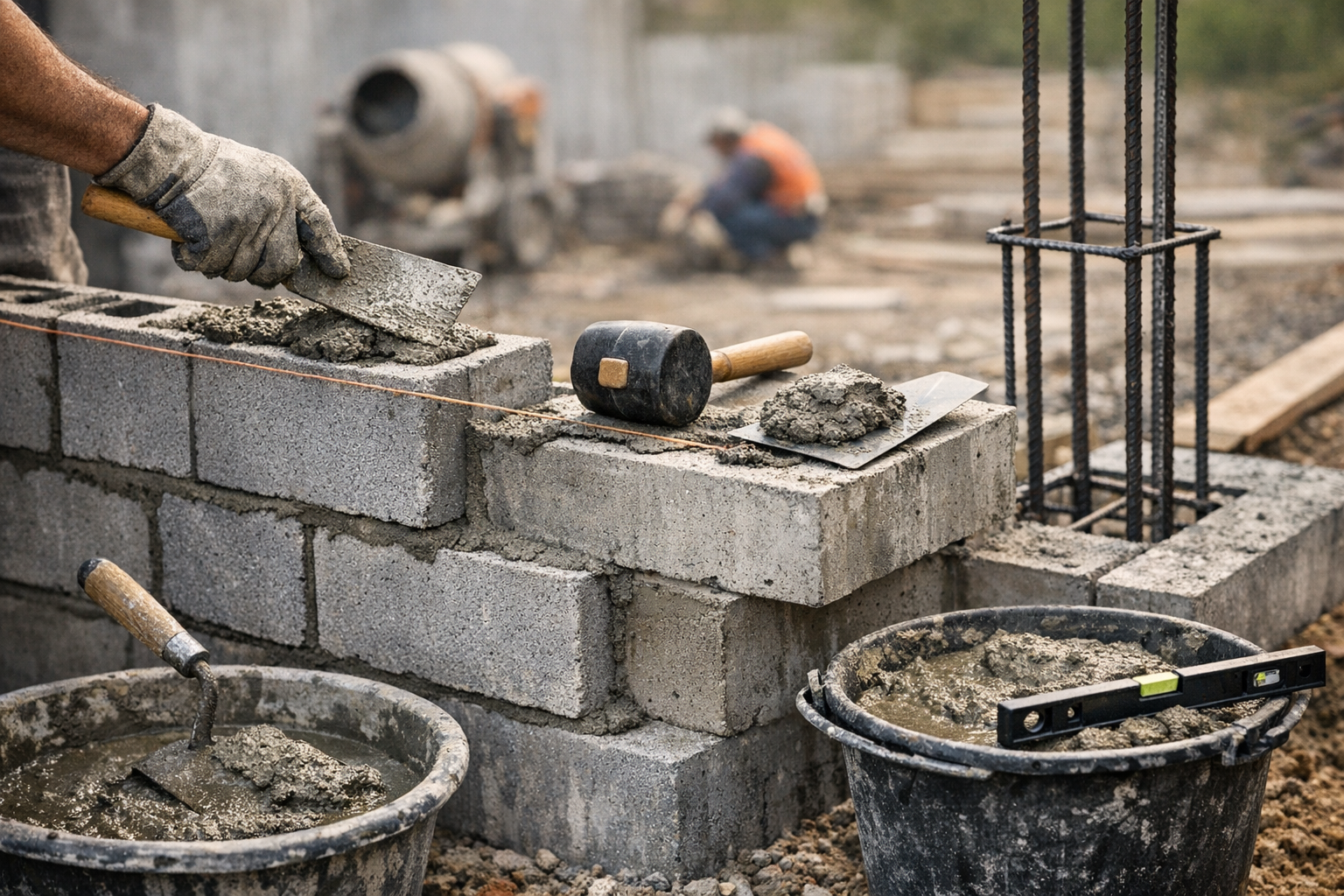
Masonry concrete work refers to construction that uses concrete and masonry materials together to build strong, stable structures. Masonry typically involves units such as concrete block, brick, or stone, while concrete is used as a poured material, mortar, or structural base. In many projects, these elements work together to create a system that is stronger than either material alone.
This type of work can be found in both residential and commercial settings. For example, a home foundation may rely on poured concrete, while the above-grade portion of a wall may use concrete block or brick veneer. A backyard patio may include a concrete slab with masonry edging or retaining walls. The versatility of masonry concrete work makes it a popular choice for projects that need both structural integrity and visual appeal.
Common Projects
Masonry concrete work includes a wide range of applications. Some of the most common are:
- Foundations and footing systems
- Concrete block walls
- Retaining walls
- Driveways and sidewalks
- Patios and outdoor living areas
- Steps, landings, and entry features
- Chimneys and structural masonry repair
Each of these projects requires careful planning and a solid understanding of load-bearing performance, drainage, and local building requirements.
Why Masonry Concrete Work Matters
The main reason masonry concrete work is so widely used is durability. When properly installed, concrete and masonry can resist moisture, pressure, heat, and everyday wear. This makes them ideal for areas that need to hold up for decades rather than just a few years.
Another advantage is flexibility in design. Concrete can be poured into nearly any shape, while masonry units can be arranged in patterns and finishes that suit different architectural styles. That means you can achieve both strength and curb appeal. A well-built masonry concrete feature can also add value to a property by improving usability, appearance, and long-term performance.
Materials Used in Masonry Concrete Work
Successful masonry concrete work depends on selecting the right materials for the job. The most common materials include concrete mix, mortar, concrete blocks, brick, reinforcing steel, gravel, and sealers. Each plays an important role in the finished structure.
Concrete and Mortar
Concrete is used for slabs, footings, foundations, and structural support. It is made from cement, water, sand, and aggregate, and can be adjusted for different strength levels and applications. Mortar, on the other hand, is the bonding material used between masonry units such as brick or block. It must be mixed properly to create a strong, workable bond.
Concrete Block, Brick, and Stone
Concrete block is one of the most common materials in masonry concrete work because it is affordable, strong, and easy to install. Brick offers a traditional look and is often used where appearance matters. Natural stone provides a premium finish and can be used for decorative or structural applications. The best choice depends on the project’s purpose, budget, and design goals.
Reinforcement and Drainage Materials
For many structural projects, reinforcement is essential. Steel rebar or wire reinforcement helps concrete resist cracking and movement. Drainage materials such as gravel, perforated pipe, and proper backfill are equally important, especially in retaining walls and foundation work. Without good drainage, even the strongest masonry concrete work can fail over time.
The Process of Masonry Concrete Work
Although each project is different, masonry concrete work generally follows a similar process. It begins with planning and site preparation, followed by forming, pouring, laying masonry units, and finishing. Precision at every stage is key to a successful outcome.
The first step is assessing the site and determining the structure’s purpose. Proper measurements, slope considerations, and soil conditions all affect the design. Next comes excavation and base preparation. A stable base is crucial because concrete and masonry need solid support to prevent settling or shifting.
After the base is prepared, forms may be built for poured concrete sections, and reinforcement is installed where needed. Once the concrete is poured and cured, masonry units can be laid with mortar and aligned carefully. Joints are finished, surfaces are cleaned, and sealing may be applied depending on the project. Throughout the process, attention to detail helps ensure strength, appearance, and longevity.
Benefits of Hiring a Professional
While some small masonry projects may seem manageable, larger or load-bearing masonry concrete work is best handled by experienced professionals. Skilled contractors understand how to prepare bases, mix materials, reinforce structures, and follow code requirements. They also know how to manage drainage, control joints, and curing times, all of which affect long-term performance.
Hiring a professional can also save time and reduce the risk of expensive repairs. Poorly executed concrete or masonry work may crack, lean, leak, or deteriorate prematurely. A qualified contractor brings the tools, expertise, and planning needed to get the job done correctly the first time. This is especially important for foundations, retaining walls, and other critical structures.
How to Choose the Right Contractor
When selecting someone for masonry concrete work, look for experience, licensing, insurance, and a strong portfolio of completed projects. Ask about the materials they use, how they handle drainage and reinforcement, and what kind of warranty or guarantee is offered. A good contractor should be able to explain the process clearly and provide a detailed estimate.
It is also wise to check references and read reviews from past clients. A contractor with a solid reputation is more likely to deliver quality workmanship and dependable service. Communication matters too. The best results come from working with someone who listens to your goals and helps you choose the right approach for your space and budget.
Maintenance Tips for Long-Lasting Results
Once masonry concrete work is complete, basic maintenance can help it last even longer. Keep surfaces clean, inspect for cracks or movement, and address drainage issues promptly. Sealing concrete or masonry surfaces may also help protect against moisture and staining, depending on the material and location.
Small repairs should not be ignored. A minor crack or loose joint may seem harmless at first, but it can grow into a bigger problem if water enters the structure. Regular inspection and early maintenance are simple ways to preserve both the appearance and performance of your masonry concrete work.
Conclusion
Masonry concrete work is a reliable way to build structures that are strong, attractive, and built to last. From foundations and walls to patios and repairs, it combines craftsmanship with durability in a way few other materials can match. With proper planning, quality materials, and skilled installation, your project can stand up to time and use while adding value to your property.