Why Quality Masonry Matters on Long Island
Masonry can shape the look, function, and durability of a home. From a welcoming front walkway to a sturdy retaining wall, well-built brick and stone features add character while standing up to everyday use. On Long Island, choosing the right materials and installation methods is especially important because outdoor surfaces face rain, humidity, winter freezes, and seasonal temperature swings.
A qualified masonry contractor on Long Island can help plan, build, repair, or restore masonry features suited to your property. Whether you are updating an older home or planning a new outdoor living area, understanding the work involved makes it easier to compare estimates and make informed decisions.
Common Masonry Services
Masonry covers a wide range of projects. Before contacting contractors, identify what you need done and whether the work is new construction, repair, or restoration.
Walkways, Patios, and Driveways
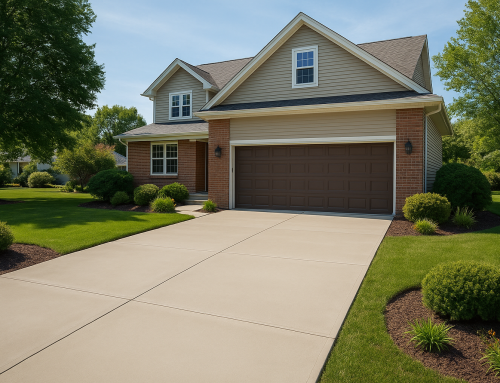
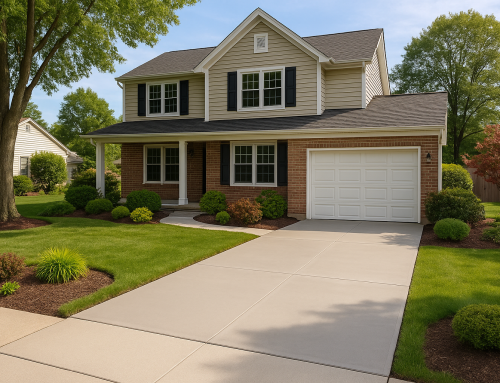
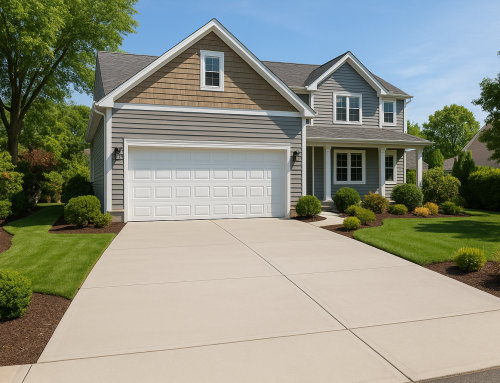
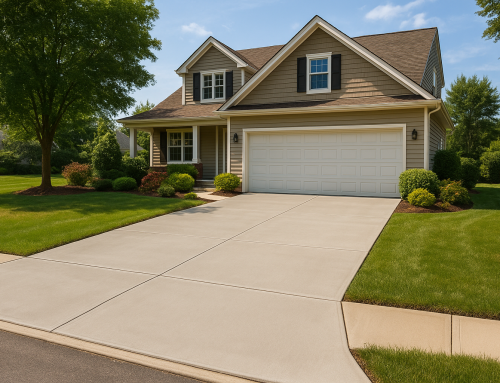
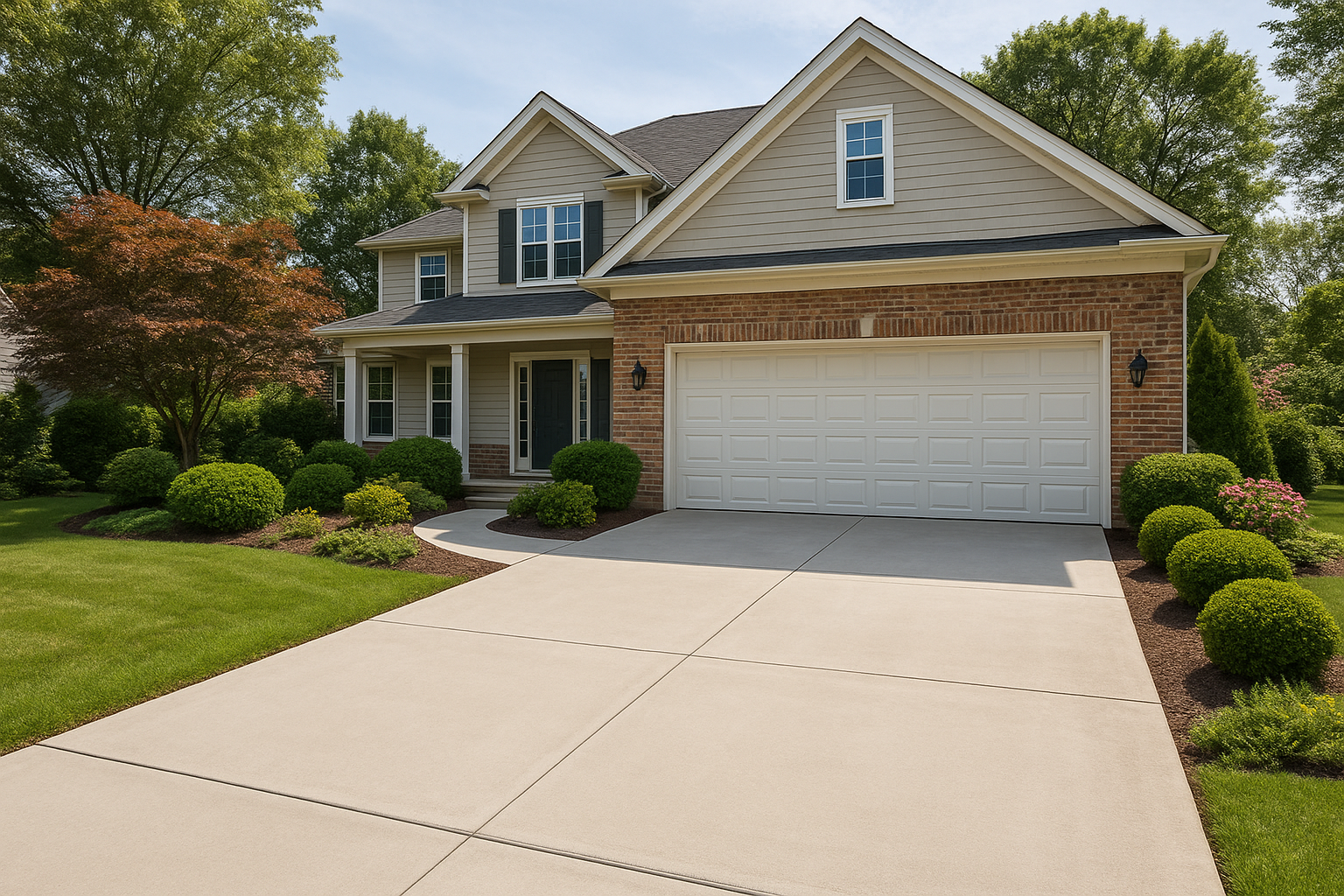
Brick, concrete pavers, and natural stone can create attractive paths and outdoor spaces. A lasting installation depends on more than the surface material: proper excavation, a stable base, drainage, and correctly filled joints help reduce shifting and standing water.
Retaining Walls and Steps
Retaining walls manage changes in grade, define garden beds, and can help make a yard more usable. Because they hold back soil, their design must account for height, drainage, soil conditions, and other site factors. Masonry steps also need a stable foundation and consistent dimensions for safe daily use.
Brick, Stone, and Chimney Repairs
Cracked mortar, loose bricks, worn steps, and damaged chimney masonry may call for targeted repairs. A contractor should identify the source of the problem—not just cover visible symptoms. Depending on the condition, work may include repointing mortar joints, replacing damaged units, or rebuilding a section.
What to Look for in a Masonry Contractor on Long Island
Experience with the type of work you need is a useful starting point. A contractor who regularly builds paver patios may not be the best match for historic brick restoration, so ask about comparable projects and the techniques they use. Local experience can also help a professional anticipate site considerations such as drainage, exposure, and the condition of existing masonry.
Ask for a written estimate that describes the scope of work, materials, preparation, cleanup, and payment schedule. It should clarify what is included and note any exclusions or conditions that could affect the price. For larger projects, ask who will supervise the work and whether subcontractors will be involved.
Check references and, where available, reviews or photos of completed projects. Confirm that the contractor carries appropriate insurance and ask what warranty, if any, applies to labor and materials. Requirements can vary by project and location, so verify applicable licensing, permits, and local rules rather than assuming they are identical across Long Island.
Questions to Ask Before Hiring
A short conversation can reveal how clearly a contractor communicates and whether the proposed approach makes sense. Consider asking:
- Have you completed projects similar to mine nearby?
- What base preparation and drainage will this project require?
- Which materials do you recommend, and why?
- How will you protect nearby landscaping, siding, or existing structures?
- Who handles permits or inspections if they are required?
- What is the expected schedule, and how are weather delays handled?
- How should I care for the finished masonry?
Compare estimates based on scope and quality, not only the total price. A low bid may leave out essential preparation or use materials that are not suitable for the location. Ask contractors to explain major cost differences before making a decision.
Materials and Planning for Local Conditions
Material choice affects appearance, upkeep, and performance. Brick offers a classic look, while concrete pavers come in many shapes and colors. Natural stone provides distinctive variation, though its cost and installation needs depend on the type selected. Ask how the proposed material handles moisture and freeze-thaw conditions, and request samples so you can compare color and texture in the setting where it will be installed.
Good planning also considers how water moves across the property. Patios and walkways should be graded to avoid directing runoff toward the house. Walls may require drainage measures behind them, depending on their design and site conditions. Discuss these details before construction begins, along with access for equipment and any landscaping changes the work may involve.
Understanding the Project Process
Most projects begin with a site visit and a discussion of goals, budget, materials, and timing. The contractor should assess the work area and explain the recommended construction or repair method. Once you approve a written proposal, confirm the start window, payment terms, and how changes will be documented.
During installation, preparation is often less visible than the finished surface but just as important. Depending on the project, the crew may excavate, prepare a compacted base, install drainage, lay units, and finish joints. Ask for updates if conditions differ from what was anticipated, and get any change in scope or cost in writing before extra work proceeds.
Maintaining Masonry After Installation
Routine care can help masonry stay in good condition. Keep joints and drains clear of debris, manage water near foundations and walls, and address small cracks or loose units before they worsen. Use cleaning products appropriate for the specific material; harsh chemicals or aggressive pressure washing can damage some surfaces. For older brickwork, consult a professional before sealing or repointing, since incompatible materials can trap moisture or harm the masonry.
Conclusion
The right masonry contractor on Long Island can help turn a project idea into a durable, well-planned feature for your home. Define your needs, compare detailed estimates, check relevant experience, and ask how the design will handle drainage and local weather. Clear expectations before work begins can help you invest confidently in masonry that looks good and performs well.