Concrete is one of the most widely used building materials in the world. From house foundations and sidewalks to bridges and commercial buildings, it provides a practical way to create durable structures in many shapes and sizes. The phrase “built concrete” can describe the planning and construction of these structures, as well as the finished concrete features that become part of a building or landscape.
Successful concrete construction takes more than pouring a mixture into a form. It depends on thoughtful design, suitable materials, careful placement, and proper curing. Understanding each stage helps property owners make informed decisions and helps builders deliver work that lasts.
What Is Built Concrete?
Built concrete refers broadly to structures and features made by placing fresh concrete into a prepared form and allowing it to harden. Concrete is usually made from cement, water, and aggregates such as sand and gravel. Additives may also be included to adjust properties such as setting time, workability, or resistance to weather.
Unlike products assembled from individual pieces, concrete can be poured into forms to create continuous surfaces and custom shapes. It may be reinforced with steel bars, wire mesh, or fibers to help it handle forces that could otherwise cause cracking or failure. The right design depends on what the structure must support and the conditions it will face.
Common Uses for Concrete Construction
Concrete works in many settings because it can be shaped on-site and designed for a wide range of structural needs. Common applications include:
- Foundations and footings: These transfer a building’s weight to the ground and provide a stable base.
- Slabs and floors: Concrete slabs are used in garages, basements, patios, warehouses, and other spaces.
- Walls and structural frames: Reinforced concrete can support buildings, retaining walls, and other substantial structures.
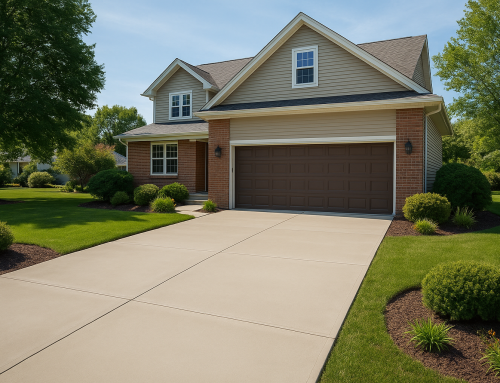
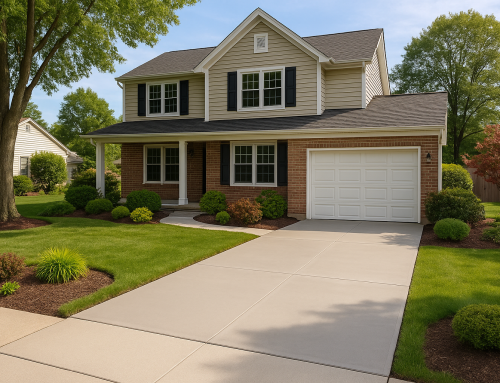
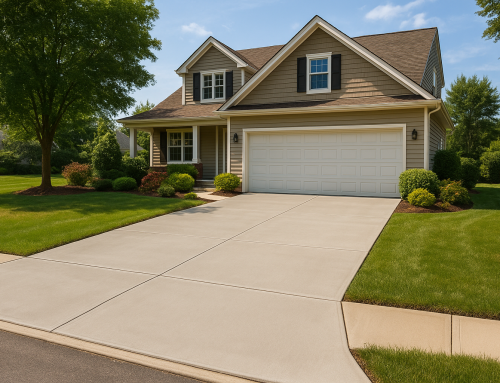
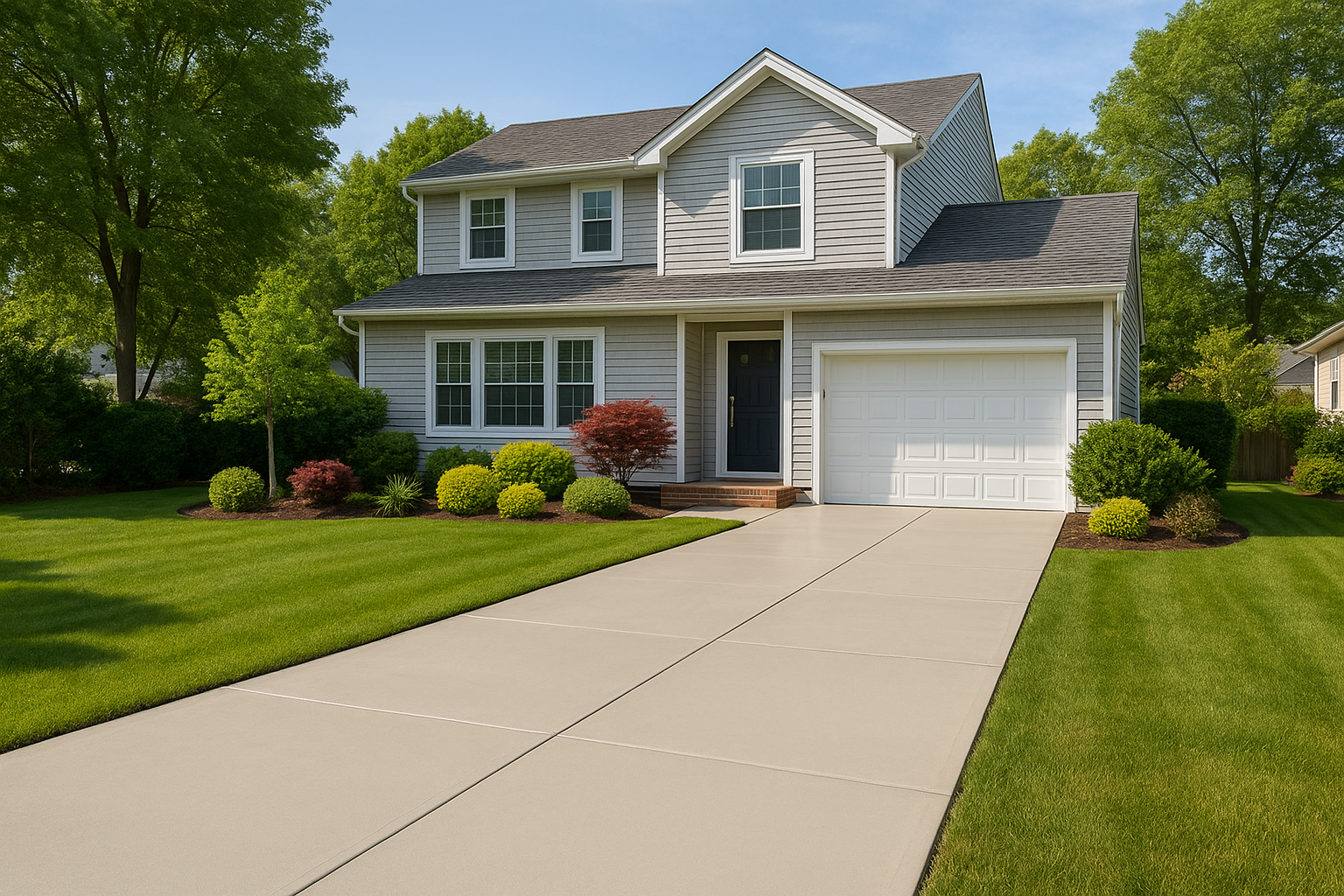
- Outdoor features: Driveways, paths, steps, curbs, and garden walls can all be built from concrete.
- Infrastructure: Roads, tunnels, dams, and bridges rely on concrete designed for demanding conditions.
The required concrete mix, reinforcement, thickness, and finish vary by application. A driveway, for example, faces vehicle loads and outdoor exposure, while an interior floor may need a smooth finish and resistance to wear.
How a Concrete Project Is Built
1. Design and site preparation
Before work begins, the project should be planned around its purpose, dimensions, soil conditions, drainage, and local building requirements. Structural projects may need drawings and calculations from a qualified professional. On site, the area is measured, excavated if necessary, and prepared with a stable, compacted base. Good preparation helps reduce uneven settling and water-related problems.
2. Formwork and reinforcement
Forms hold wet concrete in the intended shape until it gains strength. They must be properly aligned, secured, and able to resist the pressure of the pour. If reinforcement is needed, it is placed according to the design and supported so it stays at the correct depth. Steel that is positioned too close to the surface may be more vulnerable to corrosion, while incorrectly placed reinforcement may not provide the intended support.
3. Mixing and placing
Concrete can arrive ready-mixed or be mixed on site, depending on the job. The mix should match the design specifications; adding excess water to make it easier to pour can weaken the finished material. Workers place the concrete promptly and distribute it evenly, taking care to fill corners and spaces around reinforcement. Vibration or other consolidation methods may be used to remove trapped air and reduce voids.
4. Finishing and curing
Once placed, concrete is leveled and finished to suit the project. A smooth troweled surface may be appropriate indoors, while a lightly textured finish can provide better grip outdoors. Joints are often added to guide where shrinkage cracks form. Curing then helps the concrete retain moisture as it gains strength. Depending on the weather and project requirements, this may involve keeping the surface damp, covering it, or applying a curing compound.
Benefits and Considerations
Concrete offers several practical advantages. It is strong in compression, long-lasting when correctly designed and maintained, and adaptable to different forms and finishes. It also provides useful fire resistance and thermal mass, which can help moderate indoor temperature changes. Many projects can be completed with materials that are readily available locally.
However, concrete is not maintenance-free or automatically suitable for every situation. It can crack as it shrinks, settles, or experiences temperature changes. Poor drainage, inadequate preparation, incorrect mix proportions, and rushed curing can contribute to defects. Concrete also has a significant environmental footprint, largely because cement production releases carbon dioxide. Where appropriate, builders may reduce impact by optimizing the design, limiting waste, or using approved supplementary cementitious materials.
Keeping Built Concrete in Good Condition
Routine inspection can identify small issues before they become more serious. Look for widening cracks, surface scaling, standing water, or rust stains that may signal corrosion of embedded steel. Keep drains clear and direct water away from foundations. In areas exposed to freeze-thaw cycles or deicing salts, suitable mix design and surface protection are especially important. Repairs should address the cause of damage, not just cover its appearance.
Conclusion
Built concrete can provide a dependable foundation, structure, or finished surface when each stage is handled with care. Good planning, proper reinforcement, controlled placement, and patient curing all contribute to long-term performance. Matching the design and maintenance plan to the site and intended use is the key to getting the most from concrete.