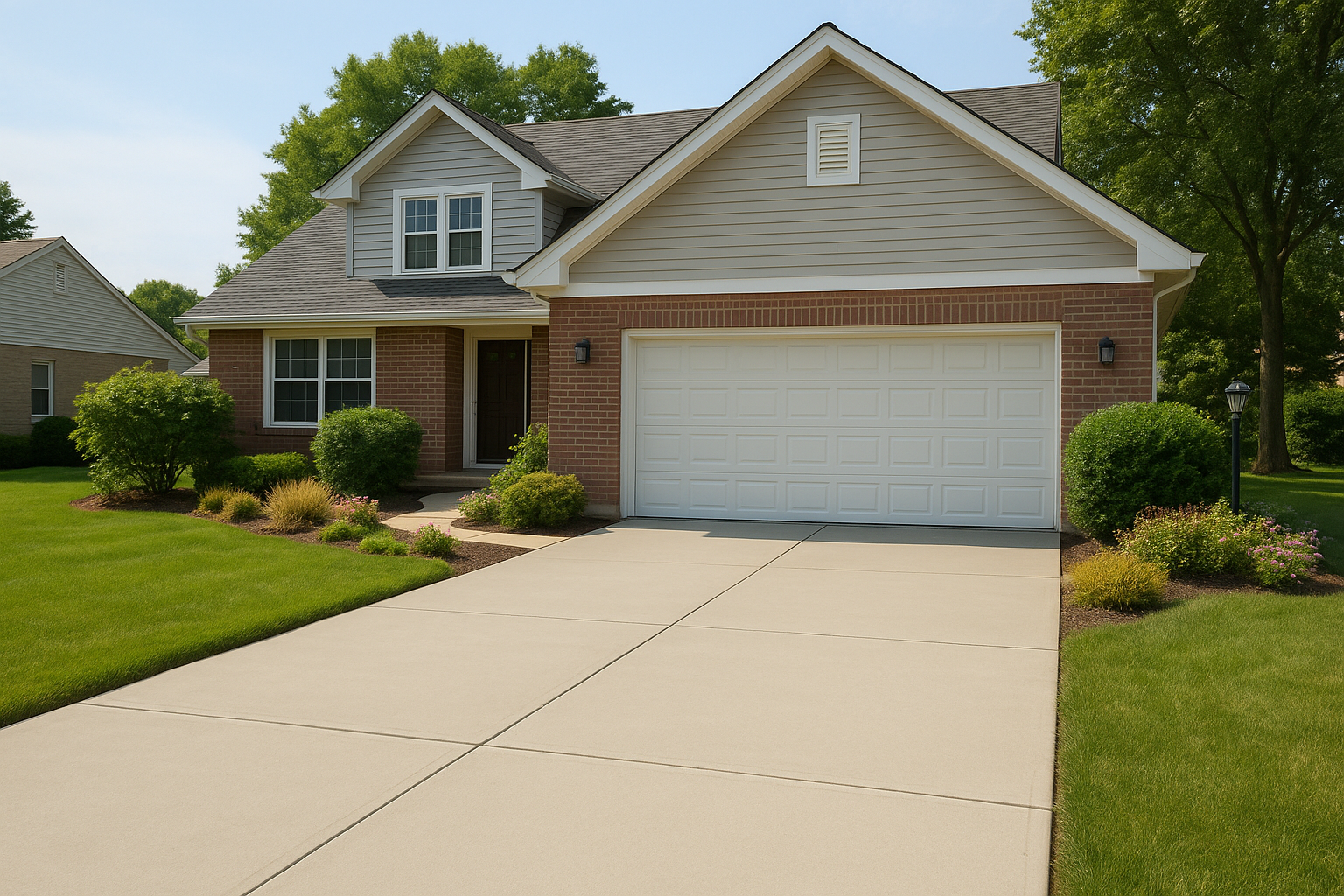
Concrete is a durable, versatile choice for residential and commercial properties in Fairfield. From a new driveway or patio to a foundation, walkway, or parking area, a well-planned concrete project can improve how a space looks and works for years. The key is choosing the right type of work, preparing the site properly, and hiring a contractor who pays attention to the details.
Whether you are planning a small repair or a major installation, understanding the process helps you make informed decisions. This guide covers popular concrete services in Fairfield, what to consider before construction begins, and simple ways to protect your investment.
Popular Concrete Services in Fairfield
Concrete can be shaped and finished for many different uses. The right option depends on the property, how the space will be used, and the appearance you want to achieve.
Driveways and walkways
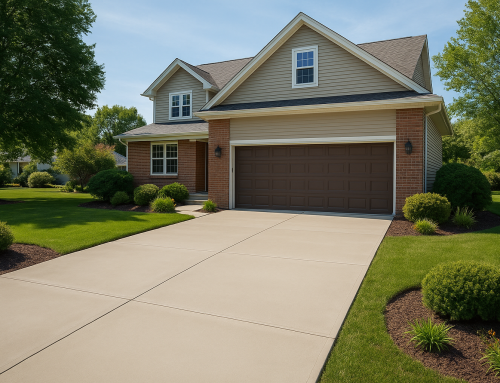
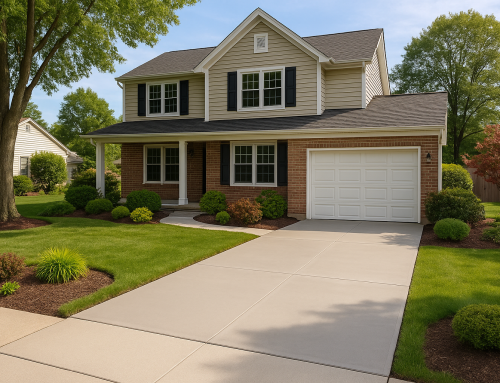
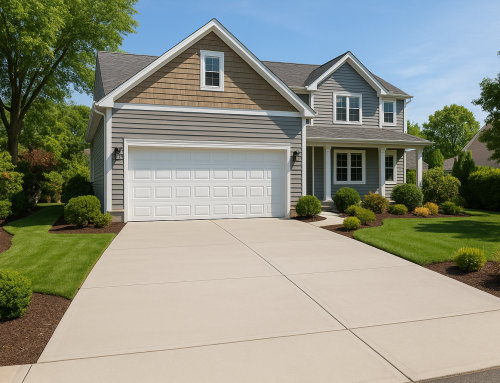
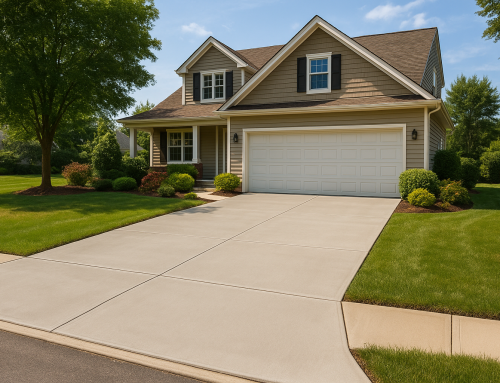
A concrete driveway provides a stable surface for vehicles and regular foot traffic. Walkways can connect entrances, patios, and other outdoor areas while making it easier to move around the property. For both projects, a proper base, suitable thickness, and thoughtful drainage are essential to long-term performance.
Patios and outdoor living areas
A concrete patio creates a practical foundation for seating, dining, and outdoor entertaining. It can be finished with a smooth, broomed, colored, or stamped surface, depending on your priorities. Decorative finishes can add character, while a straightforward finish may be a better fit for a simple, low-fuss space.
Foundations, slabs, and commercial work
Concrete foundations and slabs support structures and equipment, so accuracy matters. Projects may include garage floors, shed bases, building foundations, loading areas, or commercial walkways. These installations should be planned around the intended loads and relevant building requirements. A qualified contractor can help determine the appropriate design and coordinate with other construction professionals as needed.
Planning a Concrete Project
Define the purpose and design
Start by deciding what the finished surface needs to do. A driveway must handle vehicle weight, while a patio may place more emphasis on comfort, appearance, and seating space. Think about the dimensions, access points, edges, finish, and how the new concrete will meet existing surfaces. Sharing these details early makes it easier to create an accurate project plan.
Prepare the site and manage drainage
Site preparation is one of the most important parts of a concrete installation. Depending on the project, it can involve removing old material, excavating, compacting the soil, and adding a stable base. If the ground is poorly prepared, the slab may settle or crack unevenly.
Water management deserves equal attention. The surface should be designed so water moves away from buildings and does not collect in inconvenient areas. Existing slopes, downspouts, nearby landscaping, and local site conditions can all affect the plan. Discuss drainage before the concrete is poured rather than treating it as a finishing detail.
Choose a suitable finish
Concrete finishes affect both appearance and use. A broom finish offers texture that can be helpful on exterior walking surfaces. A smooth finish may suit some interior floors, while stamped or colored concrete can provide a more decorative look. Ask how a finish performs in the intended location and what maintenance it may require. The most attractive option is only a good choice if it also suits everyday use.
How to Choose a Concrete Contractor in Fairfield
Choosing a contractor is about more than comparing the lowest quote. Look for a professional who communicates clearly, understands the scope, and explains how the work will be completed.
- Review relevant experience: Ask about projects similar in size and purpose to yours, such as driveways, patios, or structural slabs.
- Request a detailed estimate: The proposal should describe the work, materials, site preparation, finish, cleanup, and any exclusions.
- Ask about scheduling: Weather and site conditions can affect concrete work. A contractor should explain the expected timeline and how schedule changes will be handled.
- Check references and credentials: Review available references, insurance information, and any required local licensing or permits.
- Discuss communication: Confirm who will answer questions and how changes or unexpected site issues will be documented.
Before work begins, make sure you understand payment terms and what happens if the project scope changes. A clear written agreement helps prevent misunderstandings and gives both parties a shared reference throughout the job.
Concrete Care and Long-Term Maintenance
Concrete is durable, but no concrete surface is completely immune to wear. Regularly remove dirt, leaves, and debris, and clean spills before they become difficult to manage. Avoid using tools or chemicals that could damage the surface or its finish. If you are considering a sealer, ask the installer which product is appropriate and how often it should be reapplied.
Small cracks can occur as concrete cures or responds to ground movement and changing conditions. Keep an eye on changes in crack width, elevation, or water flow. A small, stable crack is different from a section that is settling or creating a trip hazard. If you notice significant movement or deterioration, have a qualified professional assess the cause before choosing a repair.
Conclusion
A successful concrete project in Fairfield starts with a clear purpose, careful site preparation, and a finish suited to the space. Compare detailed proposals, ask practical questions, and plan for drainage and ongoing care. With the right approach, concrete can provide a dependable, attractive surface for everyday use.