Concrete is one of the most widely used building materials, but a durable result takes more than mixing cement, water, and aggregate. The quality of a concrete project depends on careful planning, sound site preparation, correct placement, and proper curing. Expert concrete work brings these steps together to create surfaces and structures that look good and perform reliably for years.
Whether you are considering a driveway, patio, foundation, walkway, or commercial floor, understanding what concrete professionals do can help you make better decisions. Here is what expert concrete service involves and how to choose the right team for your project.
What Does Expert Concrete Work Involve?
Expert concrete work combines practical experience with knowledge of materials, site conditions, and construction methods. A skilled contractor considers how the concrete will be used, the loads it must support, the local climate, drainage, and the appearance you want. These details help determine the appropriate mix, thickness, reinforcement, joints, and finish.
Concrete projects may include new installations, repairs, and decorative upgrades. A professional can assess whether an existing surface needs cleaning and sealing, targeted repairs, resurfacing, or replacement. The right recommendation depends on the condition of the concrete and the cause of the damage—not just how it looks on the surface.
Why Experience and Preparation Matter
Strong results start below the surface
Even high-quality concrete can fail when it is placed on an unstable base. Before pouring, a contractor may need to remove unsuitable soil, establish a firm subgrade, add and compact a granular base, and plan for water to drain away from buildings. Skipping or rushing these steps can contribute to settlement, cracking, and standing water.
Formwork also needs to be set accurately so the finished slab has the intended shape, elevation, and slope. For projects that require reinforcement, the materials must be positioned properly within the slab. These preparations are not always visible after the pour, but they play a major role in long-term performance.
Timing and technique affect the finish
Concrete changes as it sets, so placement and finishing require good timing. Weather, temperature, wind, and mix conditions can affect how quickly the material loses moisture. Experienced crews monitor these factors and adjust their work practices to suit the conditions. They also use appropriate finishing methods for the intended use, since a smooth indoor floor and a slip-resistant outdoor walkway have different needs.
After finishing, curing helps concrete develop strength by maintaining suitable moisture and temperature conditions. Cutting control joints at the right time and location can help manage where shrinkage cracks form. While concrete can still crack, careful planning and workmanship reduce avoidable problems.
Common Expert Concrete Projects
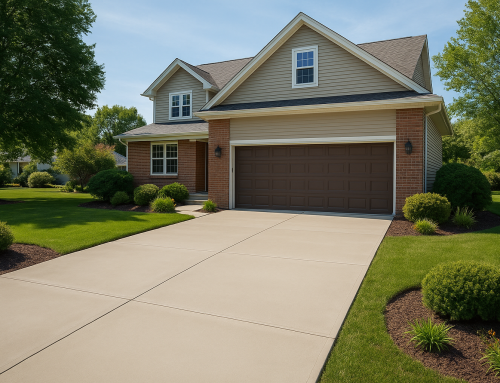
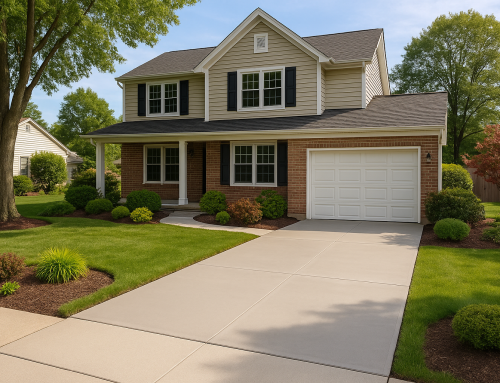
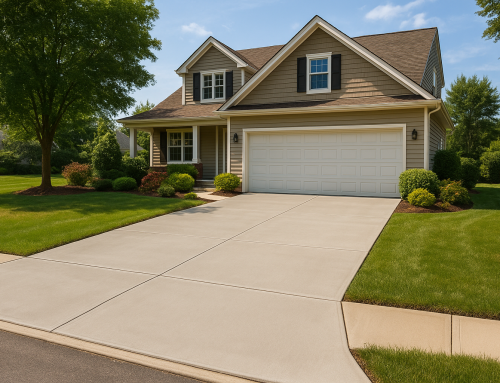
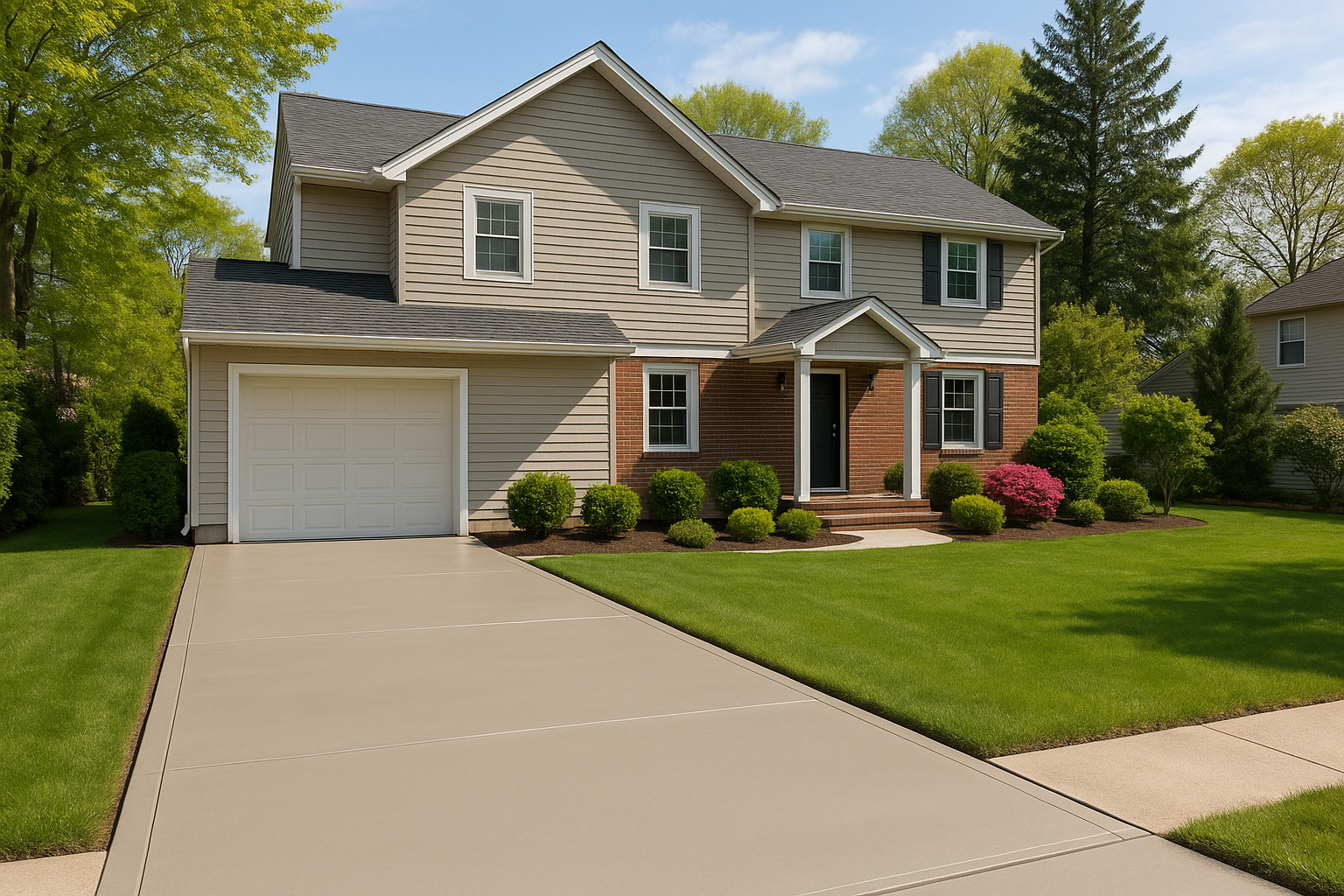
- Driveways and parking areas: Designed for vehicle traffic, proper drainage, and regular use.
- Patios and walkways: Built for comfort, safe footing, and a finish that suits the surrounding landscape.
- Foundations and slabs: Planned to meet project requirements and support the structure above.
- Decorative concrete: Options such as stamped patterns, colored finishes, or exposed aggregate can add visual character.
- Repair and resurfacing: Services that address surface wear or localized damage when the underlying concrete remains suitable.
Not every repair is appropriate for every slab. A contractor should explain what is causing the issue and whether a repair is expected to be cosmetic, functional, or both. If movement, water intrusion, or a failing base is involved, treating only the visible surface may not solve the underlying problem.
How to Choose a Concrete Contractor
Look for a contractor with relevant experience in the type of project you need. Ask for examples of similar work, references, and a written estimate that describes the scope, materials, preparation, finish, and cleanup. A clear estimate makes it easier to compare proposals and understand what is included.
It is also helpful to discuss schedule, access to the site, drainage, and how the work area will be protected. Confirm who is responsible for permits where applicable, and ask about insurance and any workmanship warranty. A reliable professional should welcome questions, explain recommendations in plain language, and avoid promising that concrete will never crack.
Questions worth asking
- How will you prepare and compact the base?
- What reinforcement and joint plan do you recommend, and why?
- How will the finished surface direct water?
- What curing and aftercare steps should I follow?
- What conditions could affect the schedule or final appearance?
Care After the Pour
Good maintenance helps protect concrete from premature wear. Follow the contractor’s guidance about when to walk or drive on a new surface, since it needs time to gain strength. Keep drains and nearby areas clear so water does not collect against the slab. Depending on the location and exposure, periodic cleaning or an appropriate sealer may help reduce staining and moisture penetration.
For existing concrete, address drainage problems and visible deterioration early. Avoid using deicing products unless they are suitable for the surface, and take care with heavy loads near edges. If cracks widen, surfaces settle, or water enters a building, seek a professional assessment rather than relying on a quick cosmetic fix.
Conclusion
Expert concrete is the result of sound planning, skilled preparation, careful placement, and proper aftercare. Choosing an experienced contractor and asking clear questions can help you get a surface that suits its purpose and stands up to everyday use. With the right approach, concrete can be a practical, attractive, and durable part of your property.