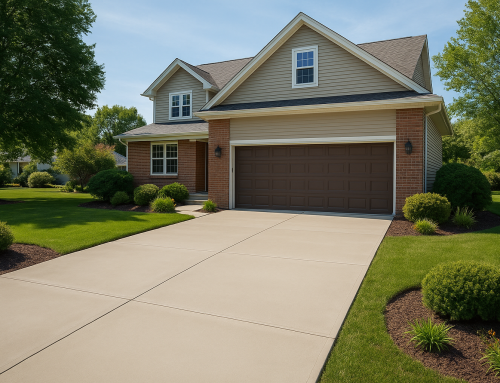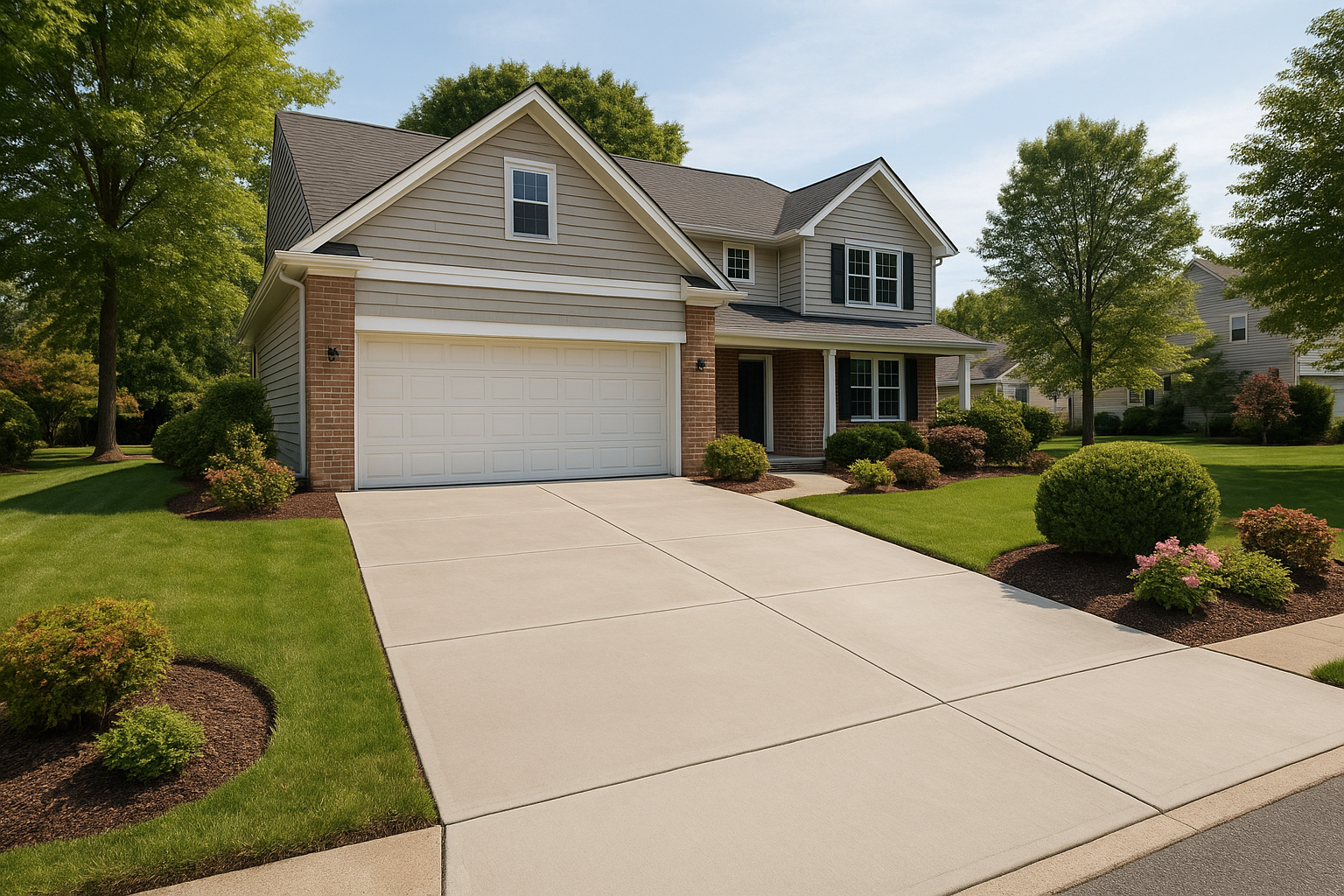
Concrete work can range from repairing a small crack to installing a new driveway, patio, foundation, or set of steps. Knowing what your project actually needs helps you set a realistic budget, choose the right materials, and avoid problems that are costly to fix later. Start by assessing the site and the purpose of the concrete, then plan the preparation, placement, and curing around those needs.
Identify the Concrete Work Your Property Needs
Before requesting estimates or buying materials, define the problem you want to solve. A damaged surface may need a repair, while an area that is uneven, unstable, or poorly drained could require more extensive work. The right solution depends on how the concrete is used and what is happening beneath it.
Repair, replace, or install?
Small, stable surface cracks may be suitable for repair, depending on their cause and condition. Cracks that are widening, recurring, or accompanied by sinking and uneven sections may point to movement below the slab. In those cases, filling the visible crack alone may not address the underlying issue. A qualified contractor can inspect the area and explain whether repair, partial replacement, or a new installation makes sense.
For new work, list the intended use. A decorative garden path has different requirements from a driveway that will carry vehicles. A patio may need a carefully planned slope for rainwater, while a foundation or retaining structure may require engineering and permits. Matching the design and construction to the use is essential for durability.
Assess the Site Before Work Begins
Good concrete work starts before the concrete arrives. The site should be checked for access, soil conditions, drainage, nearby structures, and underground utilities. Existing landscaping, fences, and paving can affect where equipment can travel and how materials are delivered.
Check drainage and ground conditions
Water that collects beside or beneath a slab can contribute to erosion, settlement, and damage over time. Consider where rainwater will flow after the project is complete. The ground may need to be graded, compacted, or prepared with a suitable base before forms are set. Soft, disturbed, or poorly drained soil may call for additional preparation; do not assume a new pour will correct an unstable base on its own.
Also locate buried utilities before digging. Contact the appropriate local utility-marking service and follow its guidance. This step helps protect workers, property, and essential services.
Plan the Design, Materials, and Details
Once the purpose and site conditions are clear, decide on the dimensions, finish, and appearance. Measure the area and consider how the new concrete will connect to existing paths, thresholds, drains, or foundations. Confirm that the layout allows doors and gates to open and provides comfortable access.
Choose a suitable finish and reinforcement
Common finishes include a smooth troweled surface, a broom texture for added grip, exposed aggregate, or stamped patterns. The best option depends on the location, appearance you want, maintenance needs, and slip resistance. A contractor can explain which finishes are appropriate for the expected use and local conditions.
Reinforcement, control joints, and expansion details should also be planned where appropriate. These features help manage stresses and limit the impact of normal concrete movement, but they do not guarantee that cracking will never occur. The design should account for the slab’s size, shape, thickness, support, and intended loads. Avoid choosing specifications based only on a neighbor’s project; site and use can differ substantially.
Understand the Main Steps in Concrete Work
A typical project follows a sequence, although the details vary. First, the work area is marked and excavated as needed. The base is then prepared and compacted, forms are installed, and reinforcement or other specified components are positioned. Concrete is placed, leveled, and finished before joints and edges are completed.
Allow time for curing and protection
Finishing is not the final step. Concrete needs appropriate curing conditions to develop strength. Weather, mix, project size, and product recommendations all affect the curing plan. The surface may need protection from rapid drying, rain, freezing temperatures, or heavy use. Ask the contractor when people, vehicles, furniture, or equipment can safely use the new concrete, and follow those instructions rather than relying on a single general waiting period.
Decide Whether to Hire a Contractor
Some small repairs may be manageable for an experienced homeowner, but larger slabs, structural work, complex access, drainage corrections, and projects requiring permits are often best handled by professionals. Concrete placement is time-sensitive: once a load arrives, preparation must be complete, and the crew needs to place and finish it efficiently.
When comparing contractors, request written estimates that describe the work, site preparation, materials, reinforcement, finish, cleanup, and expected schedule. Ask who will handle permits and utility checks, what the payment terms are, and how weather delays are managed. Check references and confirm licensing or insurance requirements that apply in your area. Compare the scope of each estimate, not just the total price; a lower bid may leave out important preparation or finish details.
Budget for the Full Project
The cost of concrete work depends on more than the amount of concrete. Excavation, demolition, hauling, access, base preparation, reinforcement, forming, finishing, drainage, and repairs to surrounding areas can all affect the total. Changes in dimensions or finish can also alter the scope. Request an itemized estimate and ask which conditions could lead to additional charges.
It is useful to discuss maintenance as well. Keep the surface clean, manage water around it, and follow advice about sealers or other protective treatments. Avoid using products that could damage the finish, and address small issues early when practical.
Conclusion
The concrete work needed depends on the surface’s purpose, the condition of the site, and the problems you are trying to solve. Careful assessment, clear project specifications, proper preparation, and enough curing time all contribute to a better result. When the work is large or the cause of damage is uncertain, get a professional evaluation before deciding on a repair or replacement.