Introduction to Job Masonry
Job masonry is the skilled trade of building and repairing structures using brick, block, stone, and other masonry materials. It is one of the oldest construction professions in the world, but it remains highly relevant today because homes, commercial buildings, walls, fireplaces, and outdoor features still depend on quality masonry work. For anyone considering a hands-on career in construction, job masonry offers a path that combines craftsmanship, physical work, and long-term career potential.
Unlike some construction roles that focus on a single part of the process, masonry is both technical and artistic. A mason must understand how materials behave, how structures stay stable, and how to create clean, lasting finishes. Whether you are just starting out or looking to grow in the field, understanding job masonry can help you make better career decisions.
What a Mason Does on the Job
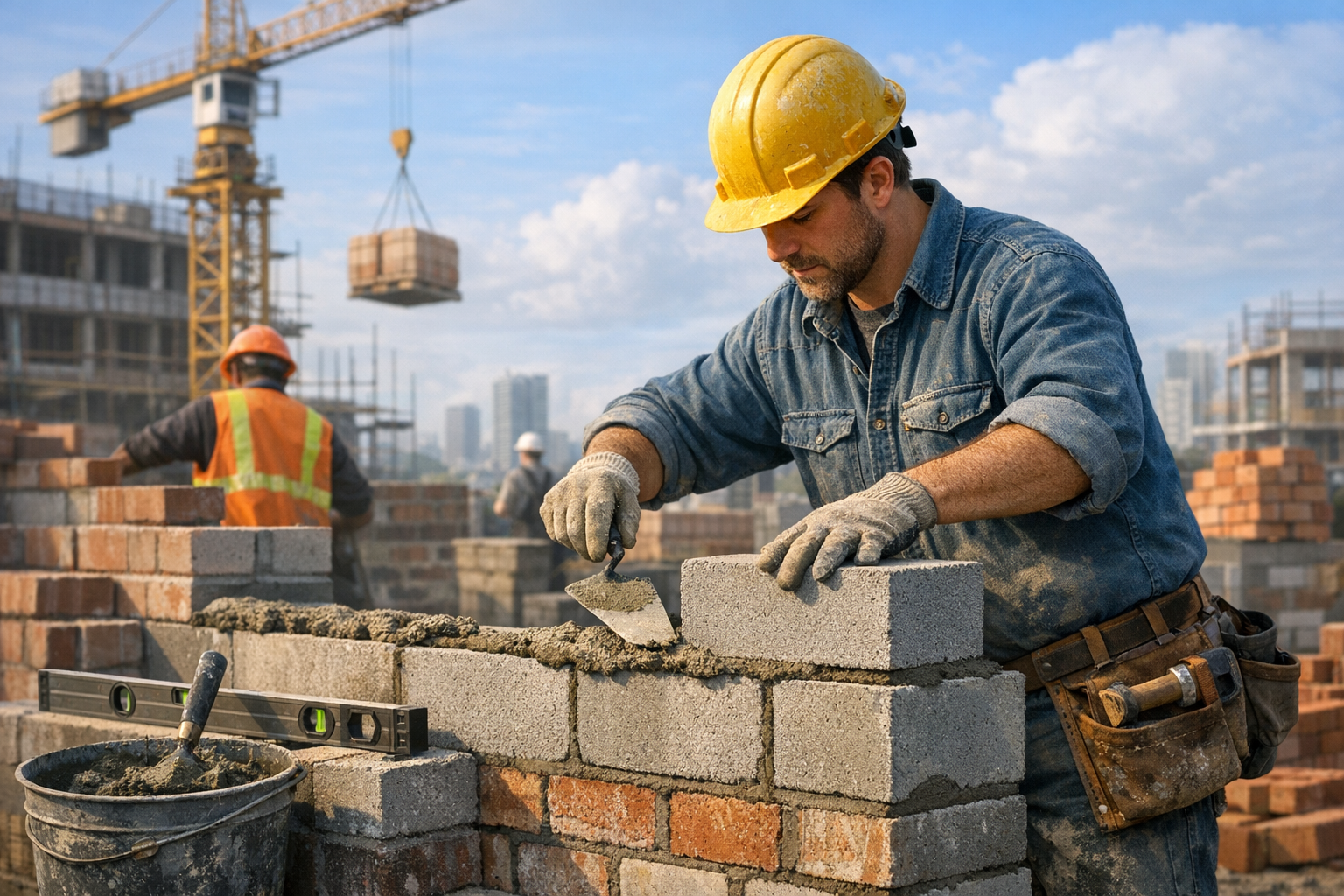
The day-to-day work in job masonry can vary depending on the project. A mason may build walls, lay bricks, install stone veneers, mix mortar, repair damaged structures, or restore older buildings. Some masons specialize in residential work, while others focus on commercial construction, historic restoration, or decorative stonework.
Typical responsibilities include reading project plans, measuring and cutting materials, preparing surfaces, applying mortar, and ensuring each course is level and aligned. Precision matters because even small mistakes can affect the strength and appearance of the finished structure. Masons also work closely with other construction professionals to keep projects on schedule and within safety standards.
Common Types of Masonry Work
- Brick masonry: Building walls, chimneys, and facades using clay or concrete brick.
- Stone masonry: Working with natural or manufactured stone for structural and decorative features.
- Block masonry: Using concrete blocks for foundations, retaining walls, and buildings.
- Repointing and repair: Restoring mortar joints and repairing damaged masonry surfaces.
- Specialty work: Creating fireplaces, arches, patios, outdoor kitchens, and custom designs.
Skills Needed for Job Masonry
Success in job masonry depends on a mix of physical ability, technical knowledge, and attention to detail. Because the work is hands-on, masons need stamina, strength, balance, and the ability to work in different weather conditions. At the same time, they must be careful and precise when measuring and laying materials.
Important skills include reading blueprints, using hand and power tools, understanding construction materials, and following safety procedures. Problem-solving is also essential, especially when dealing with uneven surfaces, structural issues, or restoration work. Good communication helps too, since masons often coordinate with supervisors, laborers, carpenters, and general contractors.
Soft Skills That Matter
- Reliability and punctuality
- Teamwork and communication
- Attention to detail
- Time management
- Willingness to learn on the job
How to Start a Career in Job Masonry
There are several ways to enter the masonry trade. Many people begin as laborers or apprentices and learn through hands-on experience. Apprenticeships are especially valuable because they combine paid work with classroom instruction. This allows new workers to build skills while earning a living.
Some schools and trade programs also offer masonry training, which can help students understand tools, materials, safety, and basic construction methods before entering the workforce. While formal education is helpful, many employers value practical experience just as much. The key is to show a strong work ethic, patience, and a willingness to learn from experienced masons.
As workers gain experience, they can take on more complex tasks, specialize in certain types of masonry, or move into supervisory roles. Over time, some masons choose to start their own business or work as independent contractors.
Tools and Materials Used in Masonry
Job masonry requires a variety of tools that help workers measure, cut, shape, and place materials accurately. Common hand tools include trowels, levels, jointers, chisels, hammers, and masonry brushes. Power tools may be used for cutting block or stone, mixing mortar, or grinding surfaces.
The materials used depend on the project, but most masonry jobs involve brick, block, stone, mortar, and sometimes reinforcing steel. Understanding how these materials interact is a major part of the trade. For example, mortar must have the right consistency, and materials must be properly aligned to create strong, lasting work.
Safety in Job Masonry
Because masonry work involves heavy materials, sharp tools, dust, and physical labor, safety is a major priority. Workers often wear gloves, goggles, boots, helmets, and dust masks to protect themselves. Proper lifting techniques help prevent injury, and safe handling of tools reduces the risk of accidents.
It is also important to be aware of fall hazards, unstable surfaces, and exposure to silica dust. Following job site rules and using protective equipment can make a major difference. Good safety habits not only protect workers but also improve productivity and reduce costly delays.
Career Outlook and Earning Potential
Job masonry continues to offer solid career opportunities because masonry skills are needed in new construction, maintenance, and restoration. Buildings age, weather damages surfaces, and property owners regularly need repairs or upgrades. This creates ongoing demand for trained workers.
Earning potential depends on experience, location, specialization, and employment type. Entry-level workers usually start with lower wages, but experienced masons can earn strong pay, especially if they have advanced skills or run their own business. Those who specialize in decorative stonework, restoration, or complex commercial projects often have additional opportunities to increase income.
The trade also offers long-term stability. Because masonry is skilled labor that cannot easily be replaced, qualified workers often remain in demand even as construction trends change.
Conclusion
Job masonry is a rewarding trade for people who enjoy building, problem-solving, and working with their hands. It combines tradition with practical career value, offering opportunities in construction, repair, and restoration. With the right training, safety habits, and commitment to quality, masonry can become a stable and fulfilling career path.