Introduction to Masonry Construction
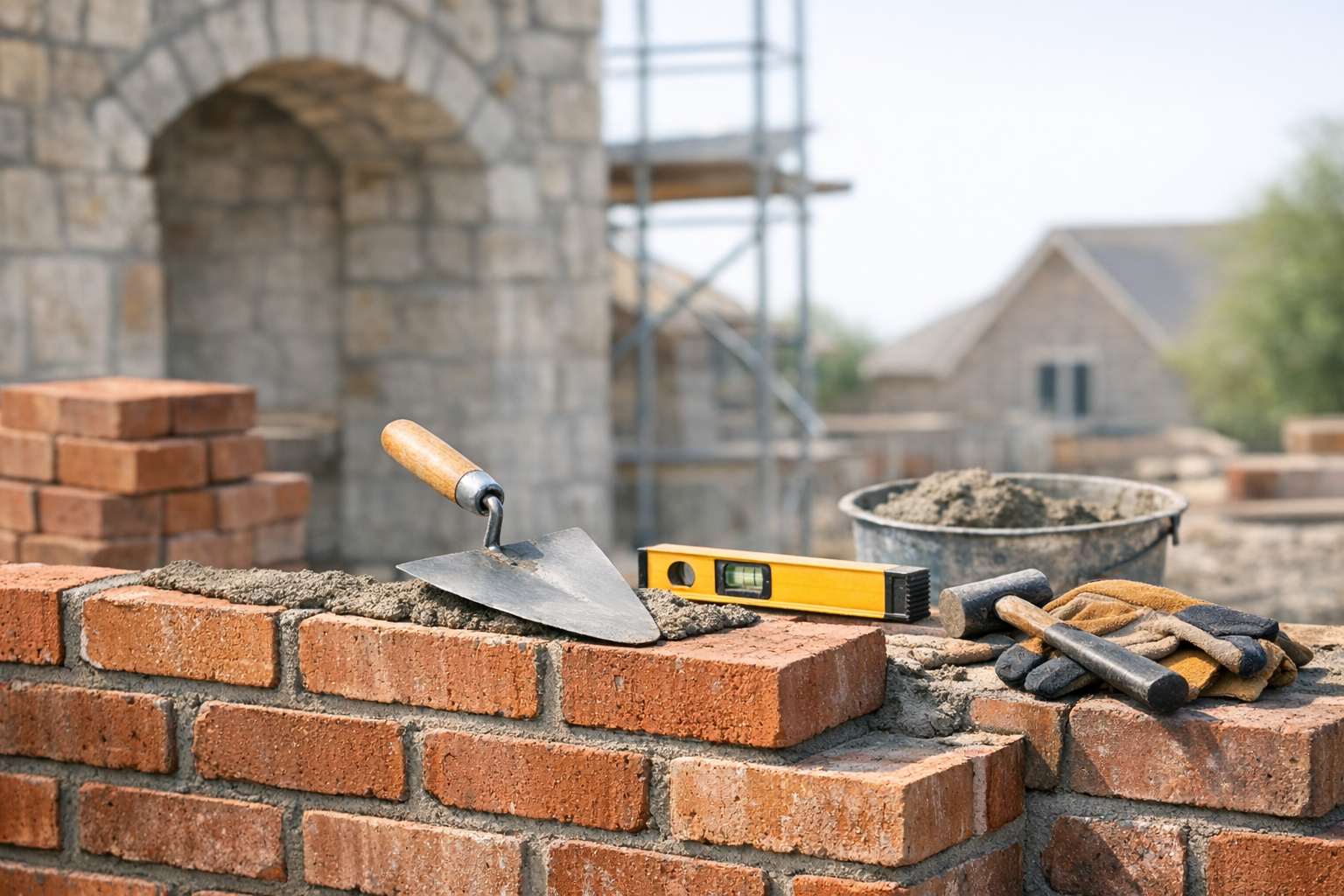
Masonry construction is one of the oldest and most trusted methods of building. It uses individual units such as brick, stone, concrete block, or tile, which are bonded together with mortar to form walls, foundations, chimneys, patios, and other structural elements. Known for its strength, fire resistance, and timeless appearance, masonry remains a popular choice in both residential and commercial projects.
Beyond its classic look, masonry offers excellent longevity and low maintenance when properly designed and built. Whether you are planning a new home, restoring an older structure, or evaluating materials for an addition, understanding the basics of masonry construction can help you make smarter decisions.
What Is Masonry Construction?
Masonry construction refers to the process of building with units laid in courses and joined with mortar. These units may be made from clay, natural stone, concrete, or manufactured materials. The mortar acts as a binding agent, helping distribute loads and lock the units into place.
There are two broad categories of masonry:
- Structural masonry – where the masonry itself supports loads from floors, roofs, or other building components.
- Veneer masonry – where the masonry is attached to a structural frame and serves mainly as an exterior finish.
Because masonry can be adapted to many styles and functions, it is used in everything from garden walls and fireplaces to high-rise façades and retaining walls.
Types of Masonry Materials
Brick
Brick is one of the most recognizable masonry materials. It is valued for its uniform size, attractive appearance, and versatility. Brick masonry is commonly used for exterior walls, chimneys, walkways, and decorative features.
Stone
Natural stone masonry offers unmatched character and durability. Stones such as granite, limestone, sandstone, and slate can be used in rough or refined finishes, depending on the desired look. Stone is often selected for premium homes, landscaping, and historic restoration projects.
Concrete Block
Concrete masonry units, often called CMUs or concrete blocks, are a cost-effective choice for foundations, walls, and commercial construction. They are strong, easy to install, and can be reinforced with steel and grout for added structural performance.
Other Masonry Units
Other materials include manufactured stone veneer, glass block, and special fire-rated or decorative masonry units. These products expand design options while meeting specific performance needs.
How Masonry Construction Works
Masonry construction depends on proper layout, bonding, mortar application, and curing. The units are arranged in patterns that help distribute weight and increase stability. Common bond patterns include running bond, stack bond, and Flemish bond.
Mortar plays a critical role in the system. It fills small gaps, bonds the units together, and helps absorb minor movement. However, mortar is not meant to compensate for poor workmanship or unstable foundations. A successful masonry project requires accurate alignment, correct joint thickness, and careful attention to moisture control.
In load-bearing applications, masonry walls transfer weight down through the structure and into the foundation. In veneer systems, metal ties or anchors connect the masonry to the backing structure, creating a protective and decorative outer layer.
Benefits of Masonry Construction
Strength and Durability
Masonry is highly resistant to impact, weather, and everyday wear. Many masonry structures last for decades or even centuries when maintained correctly.
Fire Resistance
Brick, stone, and concrete block do not burn, making masonry an excellent choice for fire safety. This can add an important layer of protection for homes and commercial buildings.
Energy Efficiency
Masonry materials have thermal mass, meaning they can absorb and release heat slowly. This can help moderate indoor temperatures and improve overall energy performance when used as part of a well-designed wall system.
Low Maintenance
Compared with many other building materials, masonry typically requires less frequent maintenance. It does not need regular painting and can withstand harsh environmental conditions with proper sealing and joint care.
Aesthetic Value
Masonry adds texture, depth, and a sense of permanence to a building. From rustic stonework to clean modern block walls, it supports a wide range of architectural styles.
Common Applications in Construction
Masonry is used in many parts of a building and landscape. Common applications include:
- Exterior walls and façades
- Foundations and retaining walls
- Chimneys and fireplaces
- Patios, steps, and walkways
- Boundary and garden walls
- Commercial partitions and fire-rated assemblies
Because of its versatility, masonry can serve both functional and decorative purposes in the same project.
Key Considerations Before Starting a Masonry Project
Foundation and Support
Masonry is heavy, so the foundation must be designed to support the load without settling or shifting. Even small movement can cause cracking or structural issues over time.
Moisture Management
Water is one of masonry’s biggest challenges. Proper flashing, drainage, weep holes, and waterproofing details are essential to reduce moisture infiltration and prevent deterioration.
Climate and Freeze-Thaw Conditions
In colder climates, water that enters masonry can freeze and expand, leading to damage. Choosing the right materials and installation methods helps protect against freeze-thaw cycling.
Labor and Craftsmanship
Quality masonry work depends on skilled craftsmanship. Accurate layout, clean joints, proper mortar mix, and attention to detail all affect the final result. Hiring experienced professionals is often worth the investment.
Maintenance Tips for Masonry Structures
Although masonry is durable, routine maintenance helps preserve its appearance and performance. Inspect walls periodically for cracked mortar, spalling, loose units, or signs of water damage. Repoint deteriorated joints before they allow deeper moisture intrusion.
Keep gutters, downspouts, and drainage systems working properly to direct water away from masonry surfaces. Avoid using harsh cleaning methods that can damage brick or stone, and choose cleaning products appropriate for the specific material. If sealants are used, they should be compatible with the masonry and reapplied as recommended.
Conclusion
Masonry construction combines strength, beauty, and long-term value in a way few building methods can match. With the right materials, sound design, and skilled installation, masonry can create structures that stand the test of time while enhancing the look and performance of any property.