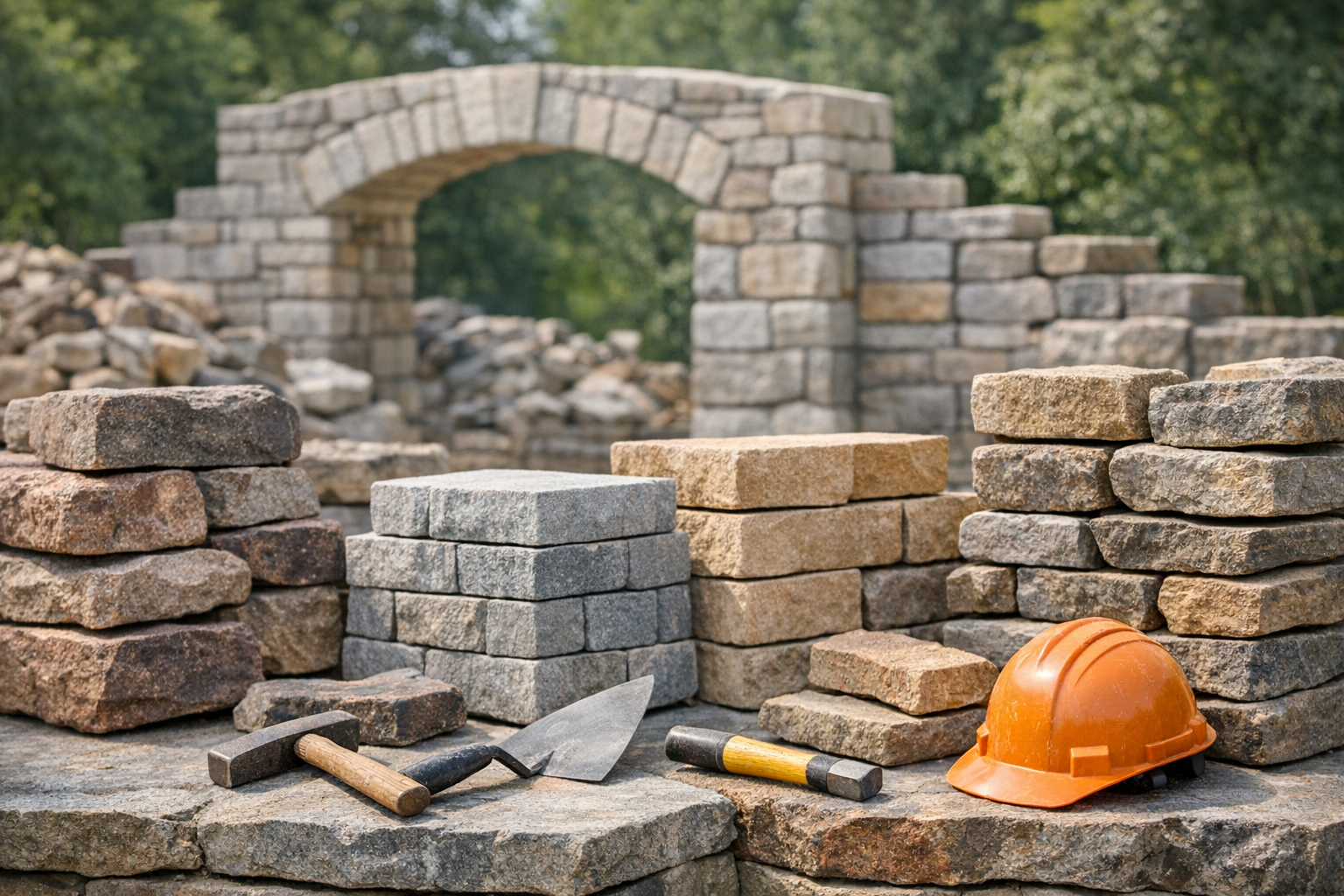
Stone for Masonry: An Introduction
Stone has been one of the most trusted building materials for centuries, and for good reason. It is strong, durable, attractive, and versatile enough to suit everything from historic walls to modern landscaping features. When people talk about stone for masonry, they are usually referring to natural or manufactured stone used in construction for walls, facades, chimneys, fireplaces, retaining walls, and decorative structures.
Whether you are planning a new build, restoring an older property, or choosing materials for an outdoor project, stone masonry offers a timeless look with lasting performance. Understanding the different stone types, their strengths, and where they work best can help you make a better decision for your project.
What Is Stone Masonry?
Stone masonry is the process of building structures using stone units bound together with mortar or, in some cases, stacked without mortar. It is one of the oldest forms of construction and remains popular because it combines structural strength with natural beauty.
Stone masonry can be divided into two broad categories:
- Rubble masonry: Uses rough, uneven stones that may be minimally shaped.
- Ashlar masonry: Uses stones that are cut and dressed to uniform shapes and sizes for a more refined appearance.
Both types serve different architectural and practical needs. Rubble masonry is often used for rustic walls and retaining structures, while ashlar masonry is commonly chosen for formal facades and detailed work.
Types of Stone Used in Masonry
Granite
Granite is one of the hardest and most durable stones used in masonry. It resists weathering, abrasion, and moisture, making it ideal for heavy-duty applications such as foundations, steps, pavements, and exterior walls. Its speckled appearance also gives buildings a clean, polished look.
Limestone
Limestone is a popular choice because it is relatively easy to cut and shape. It has a softer, more natural appearance than granite and is often used for walls, veneers, and architectural detailing. Depending on its composition, limestone can vary in color from light beige to gray.
Sandstone
Sandstone is prized for its warm tones and natural texture. It is widely used in both traditional and contemporary masonry projects. Although it is not as hard as granite, sandstone offers good durability when properly selected and maintained. It works well for walls, cladding, and garden features.
Slate
Slate is known for its fine grain and layered structure. It is often used in decorative masonry, wall cladding, and paving. Its rich dark colors and smooth finish make it a favorite for elegant design applications. Slate performs well in wet conditions, though it is best used where its natural cleft surface can be protected from heavy impact.
Marble
Marble is a luxurious stone often associated with high-end architecture. It is less common in load-bearing masonry because it can be more susceptible to wear and weathering than granite or limestone. However, it is widely used for decorative facades, columns, and interior masonry features.
Manufactured Stone Veneer
While not natural stone, manufactured stone veneer is often used in masonry projects to achieve the appearance of stone at a lower cost and with less weight. It is especially popular for fireplaces, accent walls, and exterior cladding. For projects where structural load is a concern, veneer can be a practical alternative.
Benefits of Using Stone for Masonry
Stone offers several advantages that make it one of the most desirable masonry materials available.
- Durability: Stone can last for decades or even centuries when installed correctly.
- Low maintenance: Most stone masonry requires very little upkeep compared with other materials.
- Fire resistance: Stone does not burn, making it a reliable choice for chimneys, fireplaces, and fire pits.
- Natural beauty: Each stone has unique color, texture, and pattern.
- Weather resistance: Many types of stone hold up well against wind, rain, and temperature changes.
- Property value: Stonework often enhances curb appeal and can increase the perceived value of a property.
For homeowners and builders alike, these benefits make stone a practical investment as well as an aesthetic one.
Common Uses for Masonry Stone
Stone for masonry can be used in a wide range of residential, commercial, and landscape applications.
- Exterior walls and facades: Adds strength and visual character to buildings.
- Retaining walls: Provides stability on sloped properties while blending naturally into the landscape.
- Fireplaces and chimneys: Offers excellent heat resistance and a classic look.
- Walkways and patios: Creates durable, attractive outdoor surfaces.
- Columns and pillars: Used in both structural and decorative designs.
- Garden edging and landscape features: Helps define outdoor spaces with a natural finish.
The right stone depends on the project’s purpose, load requirements, climate, and desired style.
How to Choose the Right Stone for Your Project
Choosing the best masonry stone starts with understanding the conditions it will face. If the project is exposed to heavy moisture or freeze-thaw cycles, dense stones such as granite are often a smart choice. For decorative work where cutting and shaping are important, limestone or sandstone may be easier to work with.
You should also consider the color and texture of the stone. A rough, rustic finish can make a wall feel more traditional, while smooth, cut stone creates a more refined appearance. Matching the stone to the architecture of the home or building helps create a cohesive design.
Budget is another important factor. Natural stone tends to cost more than manufactured veneer, especially if it must be quarried, transported, and professionally installed. However, the long lifespan of natural stone often offsets the initial expense.
Installation and Maintenance Tips
Proper installation is essential for long-lasting stone masonry. The foundation must be stable, the mortar mix should match the stone type, and joints need to be carefully filled and finished. Poor drainage can also lead to damage over time, especially in exterior applications.
Maintenance is usually straightforward. Periodic cleaning, inspection of mortar joints, and prompt repair of cracks or loose stones can help preserve the structure. In colder climates, sealing certain stones may provide added protection against moisture intrusion and staining. Always use products appropriate for the specific type of stone being maintained.
Conclusion
Stone for masonry remains a top choice for builders, designers, and homeowners because it combines beauty, strength, and long-term reliability. From rugged granite to elegant marble, each stone type offers distinct advantages for different applications. By choosing the right material and ensuring proper installation, you can create masonry that stands the test of time and adds lasting value to any property.