Step Concrete: What It Is and Why It Matters
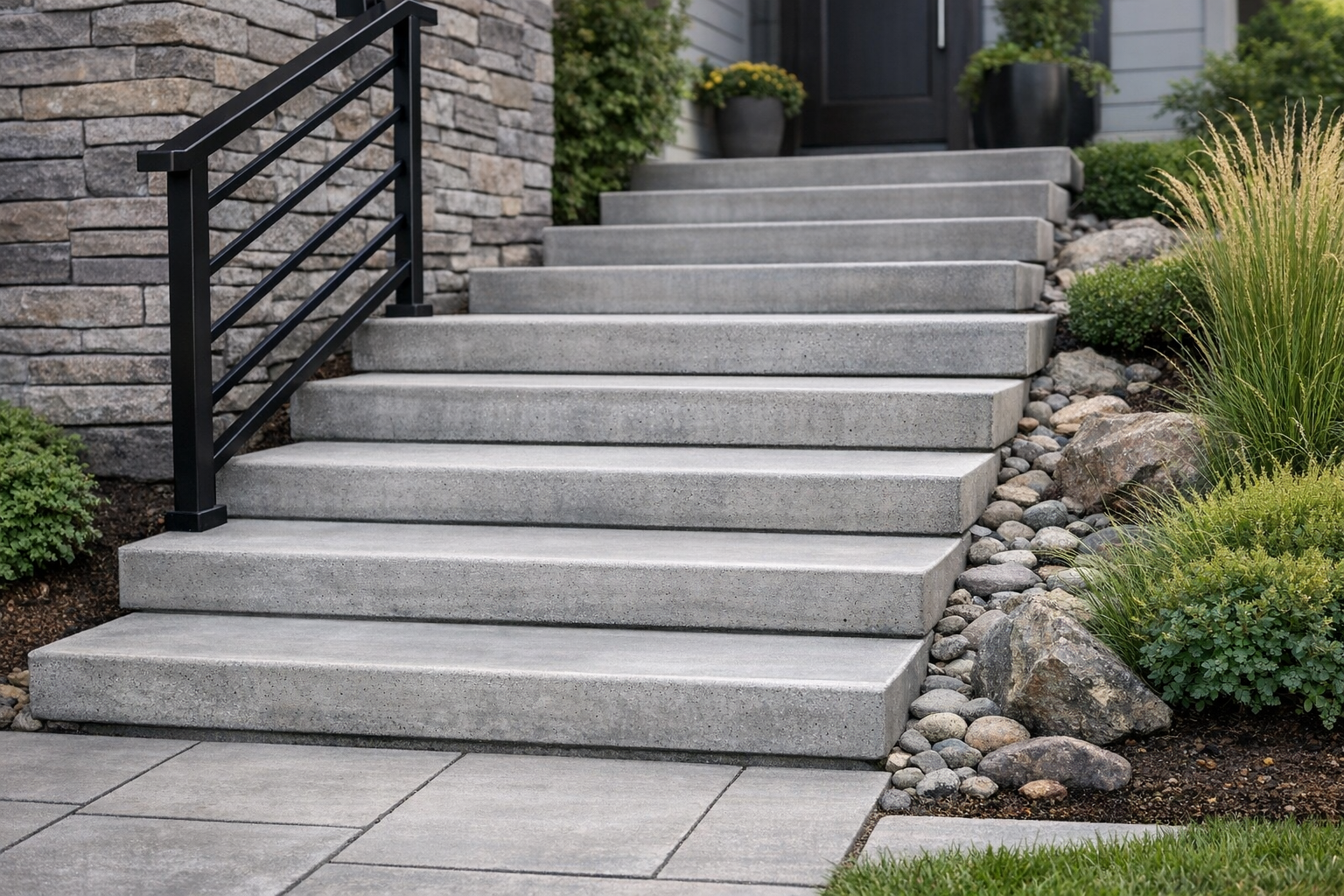
Step concrete refers to concrete used to form stairs, steps, or stair landings in residential, commercial, and outdoor settings. It is one of the most durable and versatile materials for building access points between levels, whether you need a simple front step, a set of patio stairs, or a full concrete staircase. Because concrete can be shaped, reinforced, and finished in many ways, it offers a strong balance of performance, safety, and visual appeal.
Homeowners often choose step concrete for its long lifespan and low maintenance, while builders value its structural reliability. When installed correctly, concrete steps resist weather, handle heavy foot traffic, and provide a stable surface for decades.
Benefits of Concrete Steps
Concrete steps come with several advantages that make them a popular choice for new construction and replacement projects. One of the biggest benefits is durability. Unlike wood, which can rot, or some stone options that may shift over time, concrete holds its shape and strength well under pressure.
Another major benefit is customization. Concrete can be poured into nearly any size or shape, allowing it to fit unique layouts and elevation changes. It can also be finished in different textures, colored with pigments, stamped to resemble stone, or paired with other materials for a more decorative look.
Safety is another reason many people prefer concrete. The surface can be textured to improve traction, which is especially helpful in wet or icy conditions. In addition, concrete stairs can be built to precise measurements, helping create comfortable and code-compliant step heights and depths.
Types of Step Concrete Applications
Residential Front Steps
Front entry steps are among the most common concrete applications. They need to be attractive, durable, and easy to use. Concrete works well here because it can be formed to match porches, stoops, and entry landings.
Outdoor Garden and Patio Steps
For sloped yards or raised patios, concrete steps provide a stable transition between levels. These steps are often exposed to weather, so the material’s resistance to moisture and temperature changes is a big advantage.
Basement and Utility Steps
Concrete is also used for basement exits, utility access, and other functional staircases. In these cases, strength and reliability matter more than decorative appearance, making concrete an excellent fit.
Commercial and Public Stairways
In commercial settings, concrete steps are valued for their load-bearing capacity and long service life. They are commonly found at building entrances, seating areas, and public walkways.
How Step Concrete Is Installed
Installing concrete steps is a process that requires careful planning and accurate measurements. The first step is site preparation. This involves removing old materials, leveling the base, and ensuring proper drainage so water does not collect around the steps.
Next, a form is built to shape the steps. Forms act like a mold and define the height, width, and depth of each riser and tread. Reinforcement such as rebar or wire mesh may be added to strengthen the structure and reduce cracking.
Once the form is ready, concrete is mixed and poured in stages. It is then leveled, compacted, and finished with the desired texture. After pouring, the concrete must cure properly. Curing is essential because it allows the material to gain strength and reduces the risk of early damage. Depending on the project, curing can take several days to several weeks.
After the concrete has cured, the forms are removed and final finishing touches are completed. These may include sealing, edging, or adding decorative treatments.
Design Considerations for Concrete Steps
Good concrete step design is about more than looks. Comfort, safety, and proportion all matter. Step height and tread depth should be consistent throughout the staircase to prevent tripping and make climbing easier. A well-designed set of steps should feel natural to walk on.
Drainage is also important. If water pools on or around the steps, it can lead to slippery surfaces and long-term damage. Proper slope and grading help direct water away from the stair structure.
Surface finish should be chosen carefully as well. A smooth finish may look clean and modern, but a slightly textured finish is often better for traction. For a more decorative project, stamped concrete, exposed aggregate, or stained finishes can add character without sacrificing durability.
Finally, consider railings, lighting, and edging. These features improve usability and enhance the overall appearance of the stairway.
Maintenance and Repair Tips
One of the best features of step concrete is that it requires relatively little maintenance. Routine cleaning with a broom, hose, or mild detergent is usually enough to keep it looking good. In areas with harsh winters, removing salt buildup and debris can help protect the surface.
Sealing concrete steps every few years can add another layer of protection against moisture, stains, and freeze-thaw damage. This is especially useful for outdoor steps exposed to frequent weather changes.
Small cracks should be addressed early before they spread. Some minor repairs can be handled with patching compounds or sealants, but larger structural issues may require professional assessment. If a step becomes uneven, crumbles, or separates from the landing, it is important to have it inspected quickly.
When to Choose Professional Help
Some small concrete repairs may be manageable for experienced DIYers, but building or replacing steps is often best left to professionals. Proper stair construction requires precise calculations, strong reinforcement, and attention to drainage and local building codes.
A contractor can help ensure the steps are safe, attractive, and built to last. Professional installation is especially valuable for entryways, elevated patios, and commercial projects where structural reliability is critical.
Conclusion
Step concrete is a dependable, flexible, and attractive solution for stairs in many types of spaces. Whether you are improving curb appeal, adding safe access to a patio, or building a durable public stairway, concrete offers the strength and design options to get the job done well. With thoughtful planning, proper installation, and simple maintenance, concrete steps can serve your property for many years.