Introduction to Stone Work Masonry
Stone work masonry is one of the oldest and most respected forms of construction. From historic castles and cathedrals to modern homes, stone has long been valued for its durability, natural beauty, and timeless appeal. Whether used for structural walls, decorative facades, retaining walls, fireplaces, or landscaping features, stone masonry combines craftsmanship with function in a way few materials can match.
Today, stone work masonry remains popular because it offers both visual character and long-term performance. It can suit traditional, rustic, and contemporary designs, making it a versatile choice for homeowners, builders, and architects alike. Understanding the basics of stone masonry can help you appreciate its benefits and choose the right type of stonework for your project.
What Is Stone Work Masonry?
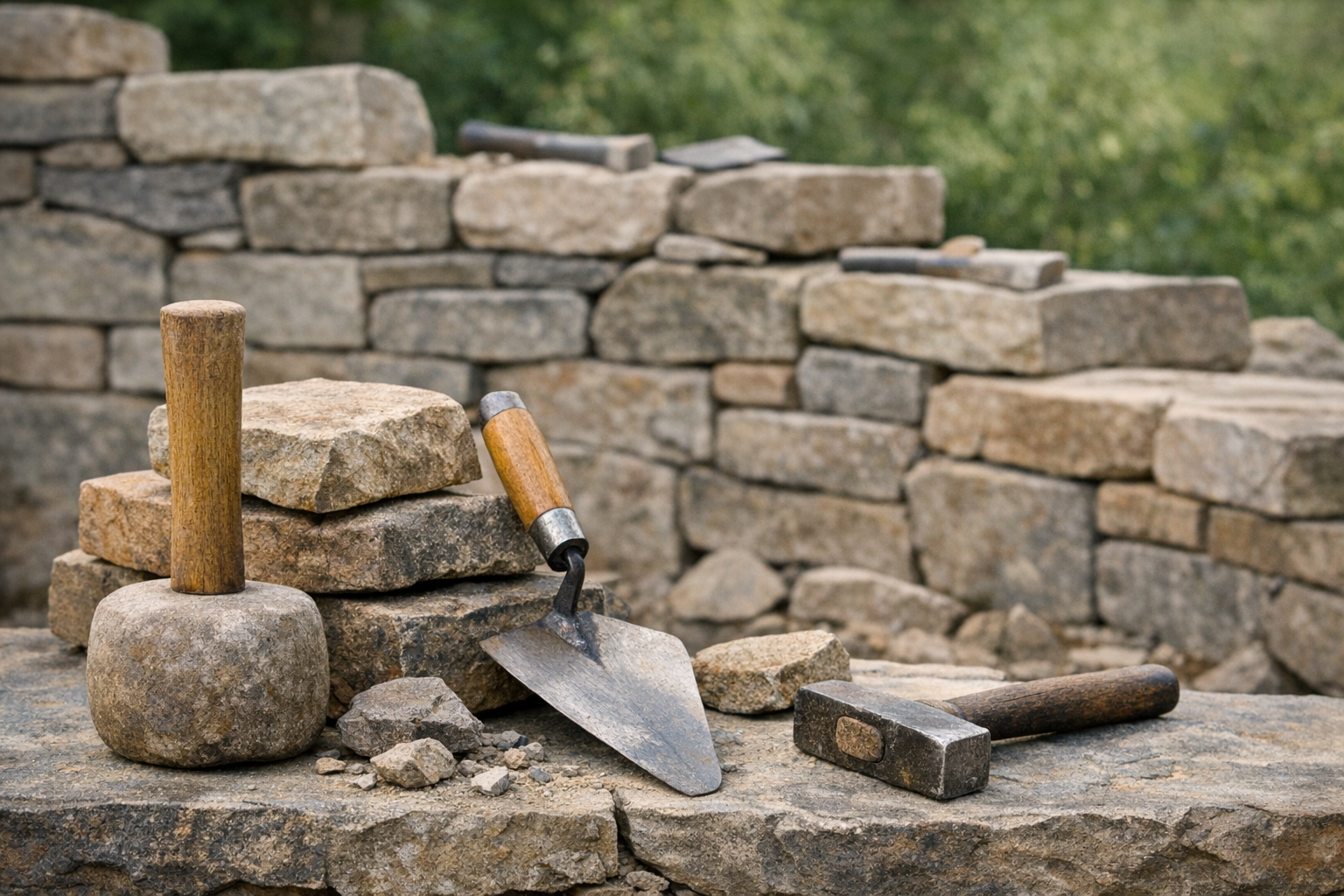
Stone work masonry refers to the construction of structures using natural or manufactured stone units bonded together with mortar or carefully fitted without mortar. The process involves selecting, shaping, arranging, and securing stones to create stable and attractive surfaces or structures.
There are two main categories of stone masonry: rubble masonry and ashlar masonry. Rubble masonry uses stones of irregular shapes and sizes, often giving a more rustic appearance. Ashlar masonry uses stones that are cut and dressed into uniform shapes, resulting in a cleaner, more refined finish. Both types can be used in structural and decorative applications depending on the design and engineering requirements.
Types of Stone Used in Masonry
Natural Stone
Natural stone is quarried directly from the earth and includes materials such as granite, limestone, sandstone, slate, and marble. Each type has unique textures, colors, and strength characteristics. Granite is known for its hardness and resistance to weathering, while limestone offers a softer, classic look. Sandstone is popular for its warm tones, and slate provides a distinctive layered appearance.
Manufactured and Veneer Stone
Manufactured stone is designed to mimic the look of natural stone while offering lighter weight and more consistent sizing. Stone veneer, whether natural or manufactured, is often used for decorative purposes on walls, chimneys, and exterior facades. It delivers the appearance of full stonework without the weight and cost of solid stone construction.
Common Applications of Stone Masonry
Stone work masonry is used in many different settings. In residential construction, it can appear in exterior walls, accent features, patios, garden walls, steps, and fireplaces. In commercial and public buildings, stonework often enhances entrances, columns, and facades while providing a sense of permanence and prestige.
Landscaping is another major application. Stone retaining walls help manage soil and elevation changes, while stone pathways, edging, and outdoor seating areas add texture and structure to outdoor spaces. Because stone is highly durable, it performs especially well in areas exposed to heavy use and changing weather.
Benefits of Stone Work Masonry
Long-Lasting Durability
One of the biggest advantages of stone masonry is its exceptional lifespan. Properly built stone structures can last for generations with minimal maintenance. Stone resists fire, pests, and many forms of environmental damage better than many other building materials.
Natural Beauty
Stone offers a timeless appearance that is hard to replicate. Its natural color variations, textures, and patterns create a rich visual effect that adds value and character to any property. No two stones are exactly alike, giving each project a unique look.
Low Maintenance
Stone masonry generally requires less maintenance than wood or some synthetic materials. While periodic cleaning and occasional mortar repairs may be necessary, stone itself typically stands up well to weather and wear. This makes it a practical choice for both indoor and outdoor use.
Energy Efficiency and Insulation
Stone has thermal mass, meaning it can absorb and slowly release heat. In the right design, this can help regulate indoor temperatures and contribute to energy efficiency. Stone walls can also add a sense of solidity and comfort inside a home.
The Stone Masonry Process
Creating quality stone work masonry takes planning, skill, and attention to detail. The process usually begins with design and material selection. The mason considers the project’s purpose, load requirements, appearance, and budget before choosing the right stone.
Next comes preparation of the foundation or base. A strong, level foundation is essential because stone is heavy and must be supported properly. The stones are then arranged, cut if needed, and set in place with mortar or another bonding method. Skilled masons pay close attention to alignment, spacing, and stability to ensure the finished structure is both attractive and structurally sound.
For dry stone work, the stones are stacked and fitted without mortar. This technique depends on precise placement and gravity to hold the structure together. It is often used for garden walls, landscape features, and traditional construction methods.
Choosing the Right Stone Masonry Contractor
Because stone masonry requires specialized skills, choosing an experienced contractor is essential. Look for a masonry professional with a strong portfolio, positive references, and knowledge of different stone types and installation methods. A qualified contractor should be able to explain material options, provide a clear timeline, and discuss proper maintenance after installation.
It is also important to ask about drainage, structural support, and weather resistance, especially for retaining walls and exterior features. Quality stone masonry is not only about appearance; it must also be built to perform safely over time.
Maintenance Tips for Stone Masonry
Although stone is durable, regular care can help preserve its appearance and structure. Clean stone surfaces gently using methods appropriate for the type of stone. Harsh chemicals and pressure washing can damage certain materials or mortar joints.
Inspect mortar joints periodically for cracks or deterioration, since damaged mortar can allow moisture to enter the structure. Address drainage issues around retaining walls and foundations to prevent shifting or water damage. With proper maintenance, stone masonry can remain strong and beautiful for decades.
Conclusion
Stone work masonry combines strength, elegance, and lasting value in a way that few construction materials can equal. Whether used for a grand architectural statement or a simple garden wall, stone adds character and durability to any project. With the right materials, skilled craftsmanship, and proper care, stone masonry can create structures that stand the test of time.