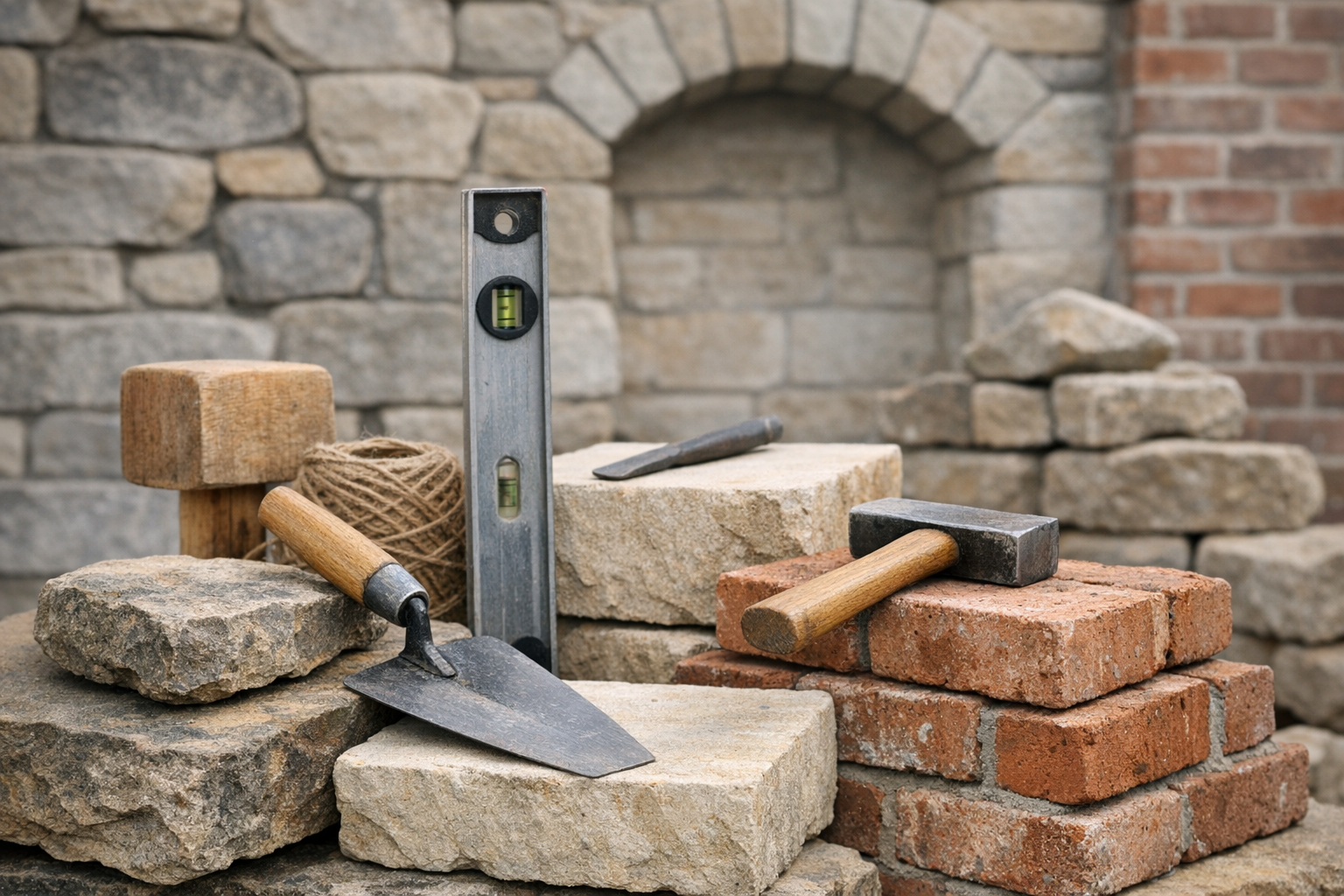
Stone and Masonry: A Practical Guide to Timeless Building Materials
Stone and masonry have shaped the built environment for thousands of years. From historic cathedrals and garden walls to modern fireplaces and exterior facades, these materials continue to stand out for their strength, beauty, and durability. Whether you are planning a new build, restoring an older property, or simply learning more about construction materials, understanding stone and masonry can help you make better design and maintenance decisions.
What Is Stone and Masonry?
Stone is one of the oldest construction materials in the world. It is valued for its natural appearance, long lifespan, and ability to withstand weather and wear. Masonry refers to the craft of building with individual units such as stone, brick, or concrete block, usually held together with mortar. In stone masonry, natural stone is cut, shaped, or placed in its natural form to create walls, features, and structural elements.
Masonry can be load-bearing or purely decorative, depending on the project. In many buildings, stone and masonry are used together to create structures that are both functional and visually striking. Because of their versatility, these materials appear in everything from foundations and retaining walls to accent walls, patios, chimneys, and landscaping features.
Common Types of Stone Used in Masonry
1. Granite
Granite is known for its strength, hardness, and resistance to weathering. It is commonly used in steps, curbing, countertops, and heavy-duty exterior applications. Its speckled appearance also makes it a popular choice for decorative finishes.
2. Limestone
Limestone offers a softer, more uniform look and is often used in walls, facades, and decorative trim. It is easier to shape than granite, which makes it a favorite for detailed architectural work. However, it may require more care in harsh climates or acidic environments.
3. Sandstone
Sandstone has a warm, natural texture and is frequently chosen for rustic or traditional designs. It is relatively easy to work with and can be used in walls, paving, and exterior cladding. Its natural color variations add character to any project.
4. Slate
Slate is prized for its layered structure and rich tones. It is often used for roofing, flooring, walkways, and wall applications. Its natural cleft surface creates a distinctive look that works well in both classic and contemporary settings.
5. Marble
Marble is a high-end stone known for elegance and visual appeal. While it is more commonly used indoors, it can also be incorporated into masonry features where appearance is a priority. Because marble is softer and more porous than some other stones, it needs proper sealing and maintenance.
Benefits of Stone and Masonry
One of the biggest advantages of stone and masonry is durability. Properly installed stonework can last for decades or even centuries with minimal structural issues. These materials are naturally resistant to fire, insects, and rot, making them a reliable choice for many applications.
Stone also offers excellent aesthetic value. No two stones are exactly alike, which gives each project a unique look. Whether the goal is a clean modern design or a more traditional appearance, masonry can be tailored to suit the style of the property.
In addition, stone and masonry often contribute to energy efficiency. Thick masonry walls can help regulate indoor temperatures by absorbing and releasing heat slowly. This thermal mass can improve comfort and reduce reliance on heating and cooling systems.
Applications in Residential and Commercial Construction
Stone and masonry are used in a wide range of projects. In residential settings, they are common for fireplaces, retaining walls, garden borders, patios, porches, and exterior veneers. Homeowners often choose stone to add curb appeal and a sense of permanence to a property.
In commercial construction, masonry plays an important role in facades, structural walls, entryways, plazas, and landscaping features. Businesses often use stone to project quality and durability while creating a welcoming exterior. Public buildings, schools, and civic spaces also rely on masonry for both appearance and long-term performance.
Restoration and preservation are another important application. Many historic buildings depend on careful stone repair and matching mortar work to preserve their original character. Skilled masonry restoration helps protect architectural heritage while extending the life of the structure.
Stone Masonry Techniques
Dry Stone Masonry
Dry stone masonry uses stones fitted together without mortar. This method depends on careful placement and balance, making it a traditional technique often used for garden walls, terraces, and rural boundary walls. It allows for natural drainage and can shift slightly without major damage.
Mortared Stone Masonry
Mortared stone masonry uses mortar to bind the stones together. This method provides greater stability and is widely used in structural walls and decorative installations. The mortar type must be chosen carefully to match the stone and the environment.
Rubble Masonry
Rubble masonry uses irregular, roughly shaped stones. It offers a natural, rustic look and is often used in older buildings or decorative walls. While less uniform than cut stone, it can be highly effective when built by experienced masons.
Ashlar Masonry
Ashlar masonry features carefully cut and dressed stones laid in even courses. It creates a refined, formal appearance and is often associated with high-quality construction. This technique requires precision but delivers excellent visual results.
Maintenance and Care
Although stone and masonry are durable, they still require regular care to stay in good condition. Routine inspections can help identify cracks, loose mortar, water damage, or signs of movement before problems worsen. Cleaning should be done gently, using methods appropriate for the specific type of stone.
Moisture control is especially important. Water intrusion can lead to staining, freeze-thaw damage, and deterioration of mortar joints. Sealing certain stones may help reduce absorption, but not every stone should be sealed, so it is important to follow material-specific recommendations.
Repointing, or replacing damaged mortar joints, is one of the most common maintenance tasks. When done correctly, repointing can restore strength and help preserve the appearance of the masonry. For older or historic structures, using compatible mortar is essential to avoid damaging the stone.
Choosing the Right Stone and Masonry for Your Project
Selecting the right stone depends on several factors, including location, climate, budget, and design goals. Harder stones may be better for high-traffic or exposed areas, while softer stones may be ideal for detailed decorative work. The color, texture, and finish should also complement the architecture and surrounding landscape.
It is equally important to work with experienced masonry professionals. Proper installation affects both appearance and longevity, and the wrong mortar or technique can lead to costly repairs later. A skilled mason can help you choose materials that balance beauty, performance, and maintenance requirements.
Conclusion
Stone and masonry remain some of the most dependable and attractive building materials available. Their strength, versatility, and timeless character make them suitable for everything from historic restoration to modern design. With the right material choices and proper care, stone masonry can add lasting value and beauty to any property.