Introduction
Masonry and stone have shaped buildings for thousands of years, and for good reason. These materials bring strength, durability, and natural beauty to homes, gardens, commercial spaces, and public landmarks. Whether used for walls, patios, fireplaces, facades, or structural elements, masonry and stone offer a timeless look that works in both traditional and modern design.
Today, homeowners and builders choose masonry and stone not only for appearance but also for performance. They stand up well to weather, require relatively little maintenance, and can add real value to a property. Understanding the basics of masonry and stone helps you make smarter decisions about materials, installation, and care.
What Is Masonry?
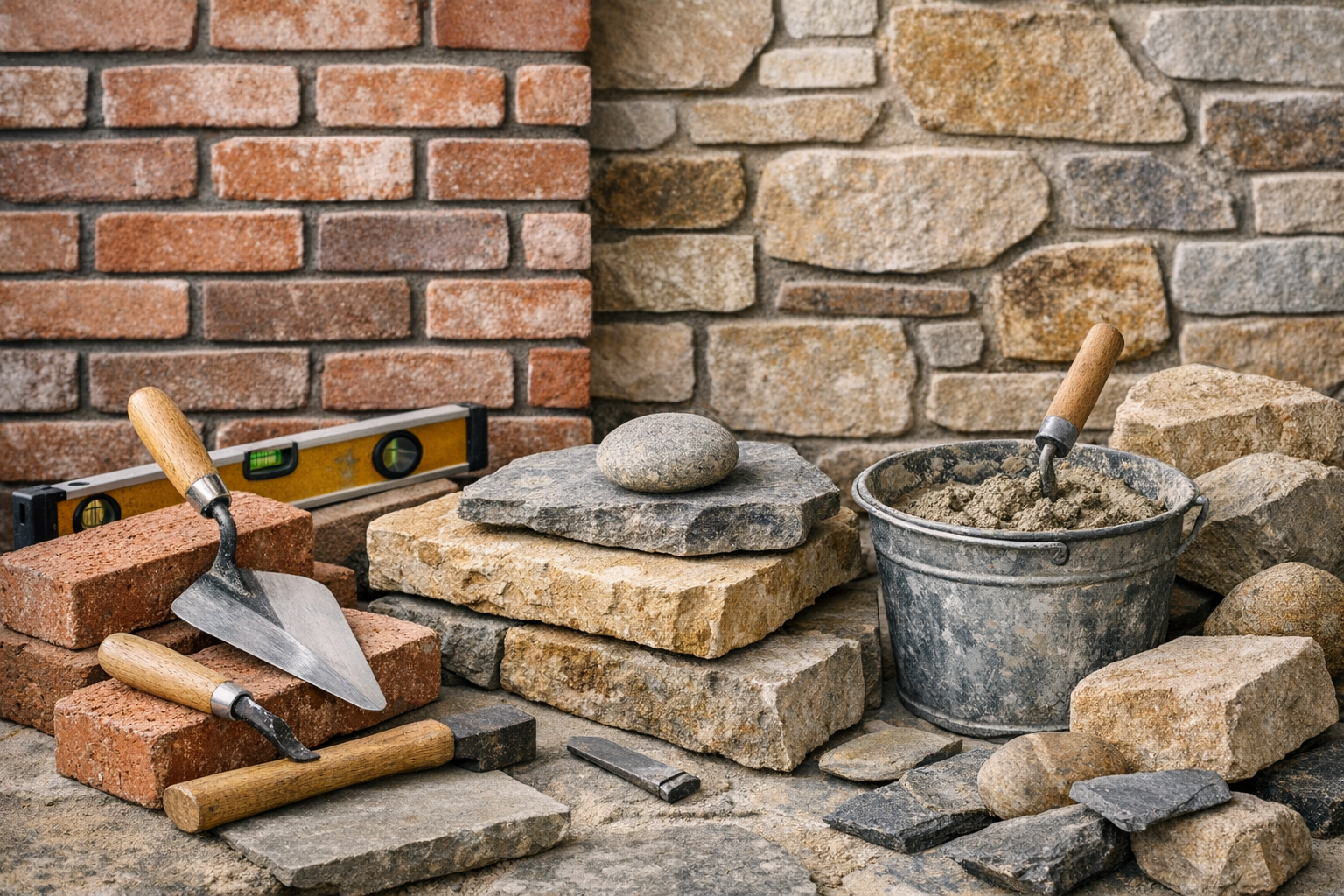
Masonry is the craft of building with individual units joined together with mortar or other binding methods. These units may include brick, concrete block, natural stone, manufactured stone, or even glass block. Masonry can be used for both structural and decorative purposes.
One of the biggest advantages of masonry is versatility. It can create load-bearing walls, veneers, chimneys, retaining walls, outdoor kitchens, and more. Because masonry combines strength with design flexibility, it remains one of the most trusted construction methods in the industry.
Common Types of Masonry
- Brick masonry: Classic, durable, and widely used in homes and commercial buildings.
- Concrete block masonry: Strong and cost-effective, often used in foundations and structural walls.
- Stone masonry: Uses natural or cut stone for a premium, long-lasting finish.
- Veneer masonry: A non-structural layer of brick or stone applied to a backing wall for appearance.
Understanding Stone as a Building Material
Stone is one of the oldest and most respected building materials in the world. Natural stone is formed over time through geological processes, which gives it unique colors, textures, and patterns. No two stones are exactly alike, making every project slightly different and visually rich.
Stone can be used in a wide range of applications, from exterior facades and garden walls to countertops and fireplaces. It is prized for its strength and natural elegance. While stone may require more skill during installation than some other materials, its long-term value often makes the effort worthwhile.
Popular Types of Stone
- Granite: Extremely hard and durable, ideal for heavy-use applications.
- Limestone: Offers a softer, more traditional appearance with subtle color variation.
- Sandstone: Known for its warm tones and textured surface.
- Slate: A layered stone often used for flooring, walkways, and roofing.
- Fieldstone: Natural stones gathered from the land, often used in rustic designs.
Benefits of Masonry and Stone
Masonry and stone offer a number of advantages that make them appealing for both residential and commercial projects. Their benefits go beyond appearance and often improve a building’s long-term performance.
Durability and Strength
One of the biggest reasons people choose masonry and stone is durability. These materials can handle heavy loads, resist fire, and withstand harsh weather conditions. Properly built masonry structures can last for decades or even centuries.
Low Maintenance
Compared with many other exterior materials, masonry and stone require relatively little upkeep. They do not need frequent painting or replacement, and many surfaces can be cleaned with basic care. This makes them especially attractive for busy property owners.
Energy Efficiency
Masonry can help regulate indoor temperatures by absorbing and slowly releasing heat. This thermal mass can contribute to better energy performance, especially when combined with proper insulation and construction methods.
Timeless Appearance
Stone and masonry never really go out of style. Their natural textures and earthy tones work beautifully with a wide variety of architectural styles. From historic homes to sleek contemporary designs, these materials create a polished and lasting impression.
Where Masonry and Stone Are Used
Masonry and stone are incredibly adaptable, which is part of what makes them so popular. They can be used indoors and outdoors, structurally and decoratively.
- Exterior walls: Add strength, curb appeal, and weather resistance.
- Fireplaces: Create a warm focal point in living spaces or outdoor patios.
- Retaining walls: Provide structural support and landscaping definition.
- Walkways and patios: Offer durability and natural beauty for outdoor living.
- Columns and accents: Enhance architectural detail and visual interest.
Installation Matters
Even the best materials depend on proper installation. Masonry work requires skill, planning, and attention to detail. A well-built wall or stone feature should have a stable foundation, correct drainage, and appropriate mortar joints or fastening systems. If these details are ignored, problems such as cracking, shifting, or moisture damage can develop over time.
For this reason, it is often wise to work with an experienced mason or stone contractor. Professional installation helps ensure that the finished project is both attractive and structurally sound. It also reduces the chance of costly repairs later on.
Maintenance and Care
Although masonry and stone are low-maintenance, they still benefit from regular care. Simple upkeep can extend the life of the material and keep it looking its best.
- Inspect for cracks, loose joints, or missing mortar.
- Clean surfaces gently to avoid damaging the finish.
- Keep drainage clear to reduce water buildup.
- Seal certain stones when recommended by the manufacturer or installer.
- Repair small issues quickly before they become larger problems.
Different stones and masonry products may require different cleaning and sealing methods, so it is always best to follow care recommendations for the specific material you have chosen.
Choosing the Right Material
When selecting masonry and stone for a project, think about both style and function. Consider the look you want to achieve, the climate in your area, the level of maintenance you are comfortable with, and the demands of the application. For example, a driveway or retaining wall may need a stronger material than a decorative garden border.
Budget is also important. Natural stone often costs more than manufactured alternatives, but it provides unmatched authenticity and character. Brick and concrete block may be more economical for certain projects while still offering excellent performance.
Conclusion
Masonry and stone remain some of the most dependable and attractive building materials available. Their strength, beauty, and versatility make them a smart choice for a wide range of projects. With the right material selection and quality installation, masonry and stone can deliver lasting value for years to come.