Understanding a Concrete Corporation
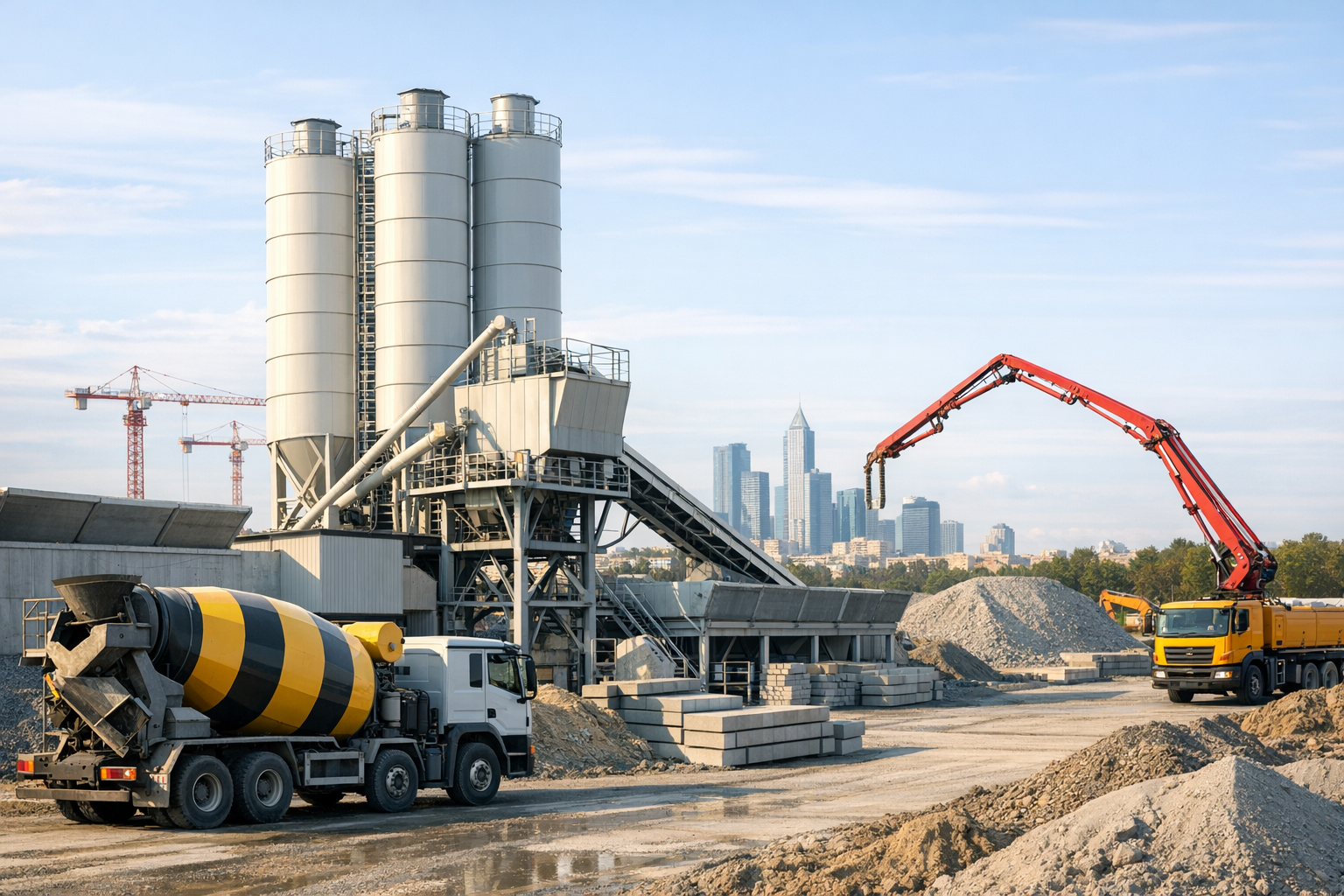
A concrete corporation is a business entity created under state law to operate as a separate legal “person” from its owners. That legal separation is one of the biggest reasons corporations are so common in industries that require scale, capital, and long-term planning. In the concrete industry, a concrete corporation may manufacture ready-mix concrete, produce precast components, supply aggregates, or manage large construction operations tied to infrastructure and commercial development.
Because concrete work often involves heavy equipment, multiple job sites, strict safety rules, and high-value contracts, the corporate structure can provide a practical framework for growth. It allows the business to sign contracts, borrow money, hire employees, and own property in its own name. For owners, that structure can also help separate personal assets from business liabilities when the corporation is properly maintained.
Why the Corporate Structure Matters in Concrete
The concrete industry is capital-intensive. Plants, mixers, molds, trucks, testing equipment, and storage facilities all require significant investment. A corporate entity can make it easier to raise money, bring in shareholders, and build credibility with suppliers, lenders, and commercial clients. This is especially important for companies competing on large public works projects or long-term development contracts.
Corporate governance also matters in an industry where quality control and compliance are essential. Concrete corporations often need formal systems for tracking materials, monitoring mix design, documenting deliveries, and ensuring compliance with environmental and safety regulations. A corporation’s organized management structure can support these operational demands.
How a Concrete Corporation Is Formed
Forming a concrete corporation begins with choosing a state of incorporation and filing articles of incorporation with the appropriate state agency. The articles typically include the company name, business purpose, registered agent, and authorized shares. Once approved, the corporation must adopt bylaws, appoint directors, and hold an initial organizational meeting to establish how the business will run.
From there, the corporation should obtain an employer identification number, register for necessary state and local taxes, and secure any licenses or permits required to operate in the concrete or construction industry. Depending on the business model, these may include general contractor registrations, transportation permits, environmental approvals, or workplace safety compliance obligations.
Choosing the Right Ownership and Management Structure
A concrete corporation may be closely held by a small group of founders or structured with multiple investors. Either way, clear roles are essential. Shareholders own the company, directors guide major decisions, and officers handle daily operations. In a concrete business, this might mean one team focuses on plant production, another on dispatch and logistics, and another on estimating and project management.
That separation of duties can improve accountability. It also helps the corporation respond quickly to issues such as equipment failure, weather disruptions, supply shortages, or changes in construction schedules.
Benefits of a Concrete Corporation
One of the main advantages of a concrete corporation is limited liability. When the business is properly operated as a separate entity, shareholders are generally not personally responsible for corporate debts and obligations. This can be especially valuable in an industry where accidents, product defects, or contract disputes can create substantial financial exposure.
Another benefit is access to capital. Corporations can issue stock, attract investors, and establish stronger relationships with banks and vendors. For a concrete company, that can mean more equipment, better inventory management, and the ability to take on larger jobs. Corporations may also have an easier time building trust with municipalities, developers, and general contractors.
There are operational benefits as well. A corporation can continue operating even if an owner leaves, retires, or sells shares. That continuity is useful for construction-related businesses where long-term client relationships and reputation are critical. A strong corporate structure can also make succession planning simpler for family-owned concrete businesses.
Tax and Administrative Considerations
While corporations offer many advantages, they also come with administrative responsibilities. A concrete corporation must maintain corporate records, hold shareholder and director meetings, file annual reports, and stay current on tax obligations. Depending on how it is taxed, the business may face corporate-level taxation or pass-through tax treatment through a special election, such as S corporation status, if eligible.
Because concrete operations can have thin margins and fluctuating costs, tax planning matters. Fuel, raw materials, labor, equipment maintenance, and depreciation all affect profitability. Many concrete corporations work with accountants to manage cash flow, track inventory, and optimize tax strategy while staying compliant with federal and state rules.
Common Challenges for Concrete Corporations
Running a concrete corporation is not without challenges. Material prices can fluctuate, labor shortages may delay projects, and weather can disrupt schedules. Since concrete is time-sensitive, logistical problems can quickly turn into costly delays. The corporation must coordinate suppliers, drivers, field crews, and customers with precision.
Legal and regulatory risks also require attention. Concrete businesses may face claims related to product quality, site damage, employee injury, or environmental impact. A corporation can help manage these risks, but it does not eliminate them. Insurance, training, documentation, and quality assurance processes are still essential.
Competition is another challenge. Many markets are crowded, and price pressure can be intense. Successful concrete corporations often differentiate themselves through reliability, consistent mix quality, strong safety records, and responsive customer service.
Best Practices for Long-Term Success
To build a durable concrete corporation, owners should focus on systems as much as sales. That includes preventive maintenance for equipment, rigorous quality testing, clear dispatch processes, and careful recordkeeping. Digital tools can improve scheduling, inventory visibility, payroll, and customer communication.
It also helps to invest in people. Skilled drivers, plant operators, estimators, and project managers are central to performance. Training programs, safety refreshers, and competitive benefits can reduce turnover and improve service quality. In an industry where delays are costly, a stable and well-trained workforce is a major advantage.
Conclusion
A concrete corporation combines the legal structure of a corporation with the practical demands of the concrete industry. For businesses that need capital, liability protection, and room to grow, it can be a smart and scalable model. With strong management, compliance, and operational discipline, a concrete corporation can support long-term success in a competitive and essential industry.